
Leander vs Cedar Park at a glance
| Factor | Leander | Cedar Park |
|---|---|---|
| Stage of growth | Newer, still expanding | Mature, largely built-out |
| Location | NW Austin metro, north of Cedar Park | Between Leander and NW Austin |
| Commute edge | MetroRail Red Line + 183A toll | 183A toll + US-183; near rail at Lakeline |
| Schools | Leander ISD | Leander ISD (shared district) |
| Housing stock | Heavy new construction | Established homes, fewer new builds |
| Lots / planning | Master-planned, newer amenities | Settled neighborhoods, mature trees |
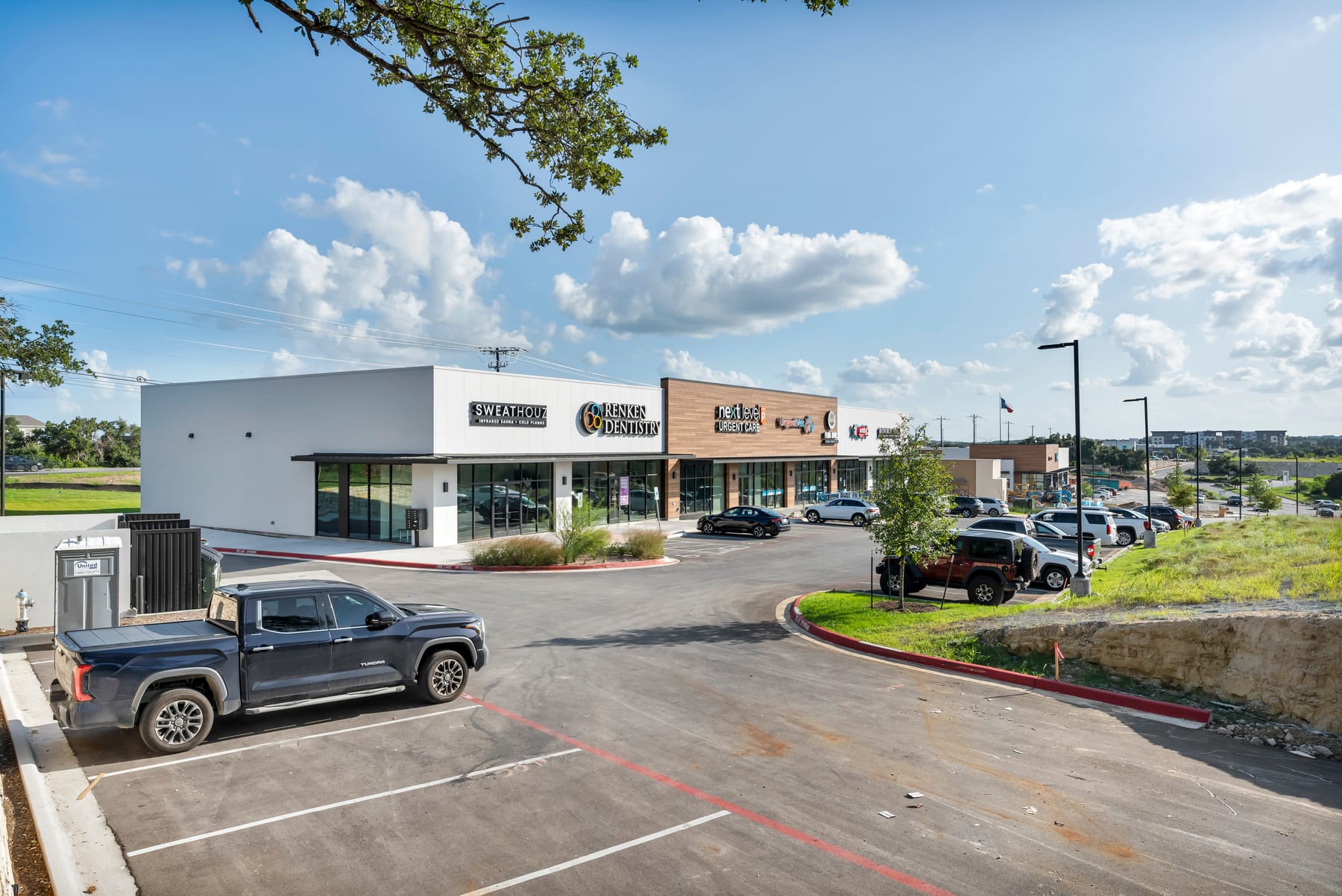
| Retail / amenities | Growing (Northline, HEB, 1890 Ranch) | Deep, built-out retail and dining |
| Median price | Varies; new builds command more | Varies by age and location |
| Best for | New-build buyers, rail commuters | Buyers wanting established, central living |
Prices, taxes, and ratings move month to month — confirm the latest first.
Why Leander buyers start with new growth
For a buyer drawn to Leander, the appeal usually begins with newness. Leander has grown quickly, and much of its inventory is recent — master-planned communities like Travisso, Crystal Falls, Bryson, Palmera Ridge, Mason Hills, and Deerbrooke keep adding homes with current floor plans, fresh amenity centers, and warranty coverage. If you want a brand-new house inside a community designed around pools and trails, Leander offers more of those choices than its more settled neighbor.
Leander also pairs that growth with the MetroRail Red Line, whose northern terminus sits in the city, plus Northline — a walkable, transit-oriented district near the station. For commuters who'd rather ride than drive, that rail access is a genuine differentiator. Confirm current schedules and fares with CapMetro. Explore rail-adjacent listings on our Leander MetroRail homes near Northline page, and browse the wider market via Leander, TX real estate.
Cedar Park: the established suburb
Cedar Park sits just south of Leander and reads as a more mature suburb — its retail, dining, parks, and services are largely built out, and its neighborhoods skew older with established trees and settled streetscapes. Buyers who want to live closer in, with amenities already in place rather than under construction, often prefer that proven feel.
Because Cedar Park is further along in its development cycle, you'll find fewer large new-construction communities and more resale homes of varying ages. That can mean more character and central location, but also older systems to inspect. If "move into a finished neighborhood" appeals more than "watch a community rise," Cedar Park leans your way.
Housing stock and age
This is the cleanest dividing line. Leander's stock is younger, with new builds dominating many neighborhoods — appealing if you value modern layouts, energy-efficient construction, and builder warranties. Cedar Park's stock is older on average, offering established homes that have proven themselves but may need updates to roofs, HVAC, or finishes.
Neither is automatically the better buy. A newer Leander home may carry higher MUD or PID costs tied to recent development, while an established Cedar Park home may trade a lower tax-district load for future maintenance. Compare the specific homes, not the stereotypes, and budget for the realities of each.
Commute: 183A and MetroRail
Both cities lean on the 183A toll and US-183 to reach northwest Austin job centers. Leander adds the park-and-ride MetroRail option at the line's northern terminus; Cedar Park sits closer in and is near rail access toward Lakeline, shortening many drives simply by being a few miles south.
If you'd use the train, Leander's terminus station is the draw. If you commute by car, Cedar Park's more central position can trim minutes off a daily drive. As always, map your real route at your usual departure time — the right answer depends on where you actually work.
Schools: a shared district
Here's a point buyers often miss: both Leander and much of Cedar Park are served by the same district, Leander ISD. So the choice between the two cities isn't automatically a choice between school districts — it's a choice between specific campuses.
Because one district spans both cities and keeps adding schools for growth, attendance zones move and don't follow city lines. Never assume a home feeds a particular school based on whether it's "in Leander" or "in Cedar Park." Verify the current campus and rating by address with the district and txschools.gov before you make an offer.
Taxes and cost of ownership
Both cities sit in Williamson County with no state income tax, so your total is county plus city plus school district plus any MUD or PID. Newer Leander communities more often carry a MUD or PID that raises the early-year bill, while established Cedar Park neighborhoods may have lighter special-district loads but older homes to maintain.
Before comparing two homes, total property tax plus MUD/PID plus HOA for each, and verify every figure with the county, the appraisal district, and a tax professional. See our Williamson County real estate overview, and check the Williamson Central Appraisal District and the Williamson County tax office. For Travis County portions of either city, use the Travis County tax office.
Who Leander suits
- Buyers set on new construction and master-planned amenities.
- Commuters who want the MetroRail terminus and Northline's transit-oriented core.
- Those comfortable with newer MUD/PID costs in exchange for a brand-new home.
- Shoppers who like watching a community grow around them.
Who Cedar Park suits
- Buyers who want an established, built-out suburb closer to Austin.
- Those who prefer mature neighborhoods, existing retail, and proven streetscapes.
- Shoppers open to resale homes with character (and some updating).
- Commuters who value a slightly more central position for daily drives.
In practice
Leander versus Cedar Park usually comes down to two questions: do you want new or established, and do you need the rail option? Buyers chasing a brand-new home and the MetroRail terminus tend to land in Leander. Buyers who want a finished neighborhood, built-out amenities, and a more central spot tend to choose Cedar Park. Since Leander ISD spans both, focus on the specific home, the commute, and the campus your address feeds.