
How to compare towns in Williamson County
Williamson County sits just north of Austin and is one of the fastest-growing counties in the nation. Growth means choice — and choice means more decisions. Rather than starting from a single listing, it helps to start from how you live: your commute, the price you can carry comfortably once taxes and any costs are included, the school zoning that fits your family, and the kind of place you want to come home to.
Use the comparison below as a first pass. It is qualitative on purpose — exact median prices, days on market, and tax rates shift through the year, so treat specific figures as items to verify with current data. Once a couple of towns stand out, the dedicated pages go deeper.
Williamson County towns at a glance
| Town | Vibe / setting | Housing stock | Commute notes | Who it tends to suit |
|---|---|---|---|---|
| Georgetown | County seat; historic Square, Hill Country edge; established + master-planned mix | Resale, large master-planned communities (Sun City, Wolf Ranch), some acreage | ~26–30 mi N of Austin on I-35 | Buyers who want amenities, downtown character, and a 55+ option |
| Liberty Hill | Small-town, rural, Hill Country feel | Newer subdivisions plus acreage and land homesites | ~12 mi W of Georgetown on Hwy 29; longer to Austin | Buyers wanting land, newer builds, and more room |
| Leander | Growing NW metro suburb; transit-oriented pockets | Master-planned communities, new construction, some resale | Northern terminus of MetroRail Red Line; 183A toll | Commuters who value rail access and strong amenities |
| Round Rock | Established suburb; major employment base | Deep, varied inventory; established + newer | ~15 mi N of Austin on I-35 | Buyers wanting inventory depth and an established feel |
| Cedar Park | Built-out suburb; retail and parks | Mostly established neighborhoods, some new | SW Williamson; 183A toll to Austin | Buyers prioritizing convenience and amenities |
| Hutto | Smaller suburb with a revitalizing downtown | Attainable new construction, some resale | SE Williamson, ~5 mi E of Round Rock | Value-focused buyers near growing job centers |
| Jarrell | Affordable, fast-growing, highway-oriented | Newer, value-priced master-planned homes | ~15 mi N of Georgetown on I-35; longer commute | Buyers prioritizing price over commute and amenities |
| Taylor | Historic small town with a major new employer nearby | Mix of historic, resale, and new construction | E Williamson; near the Samsung plant | Buyers near the eastern job corridor |
| Rural / Hill Country | Open land, acreage, scenic west county | Acreage homes, custom builds, land | Varies; generally farther from Austin | Buyers wanting privacy, land, and views |
Georgetown: Michael's home base
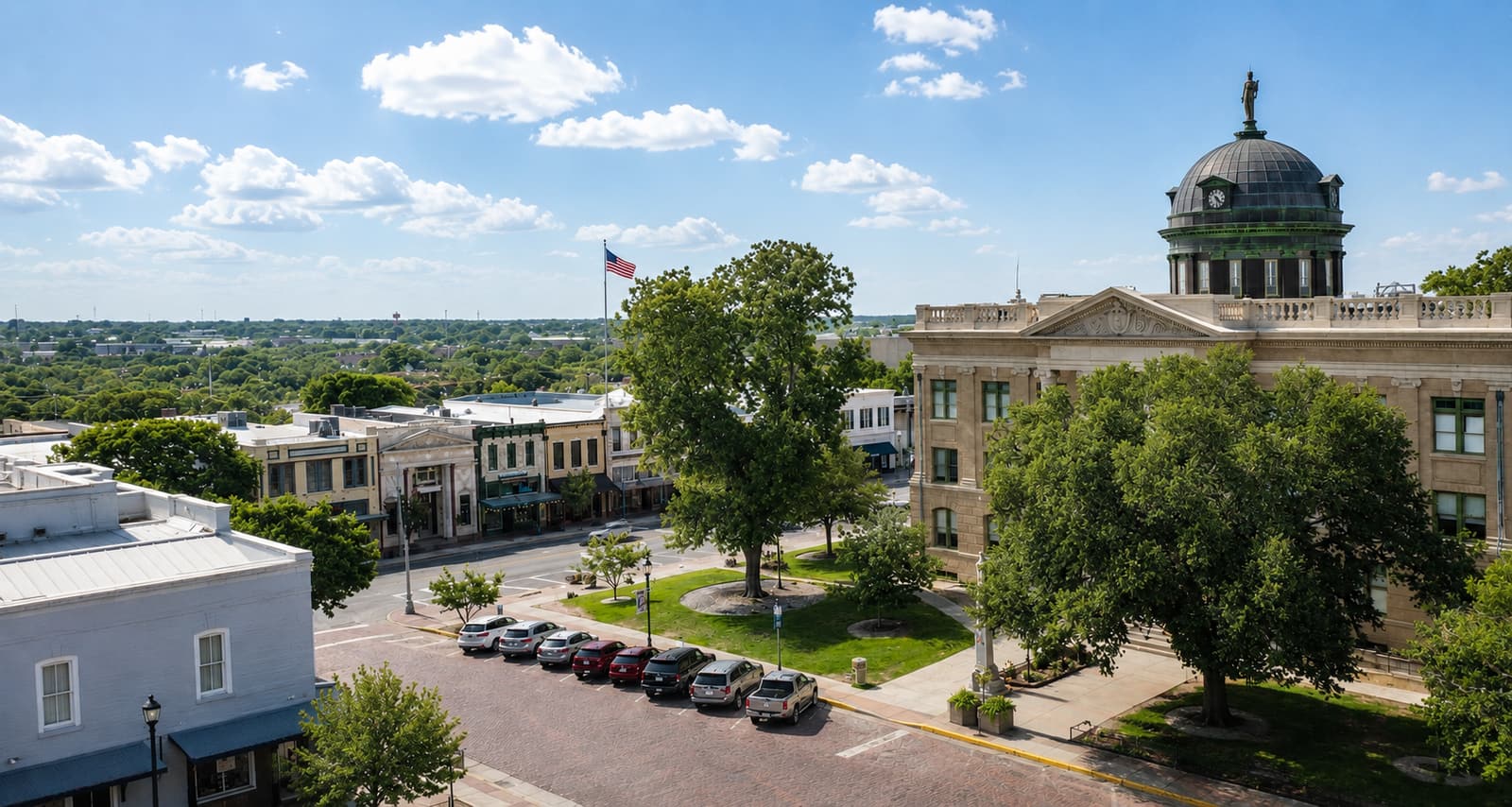
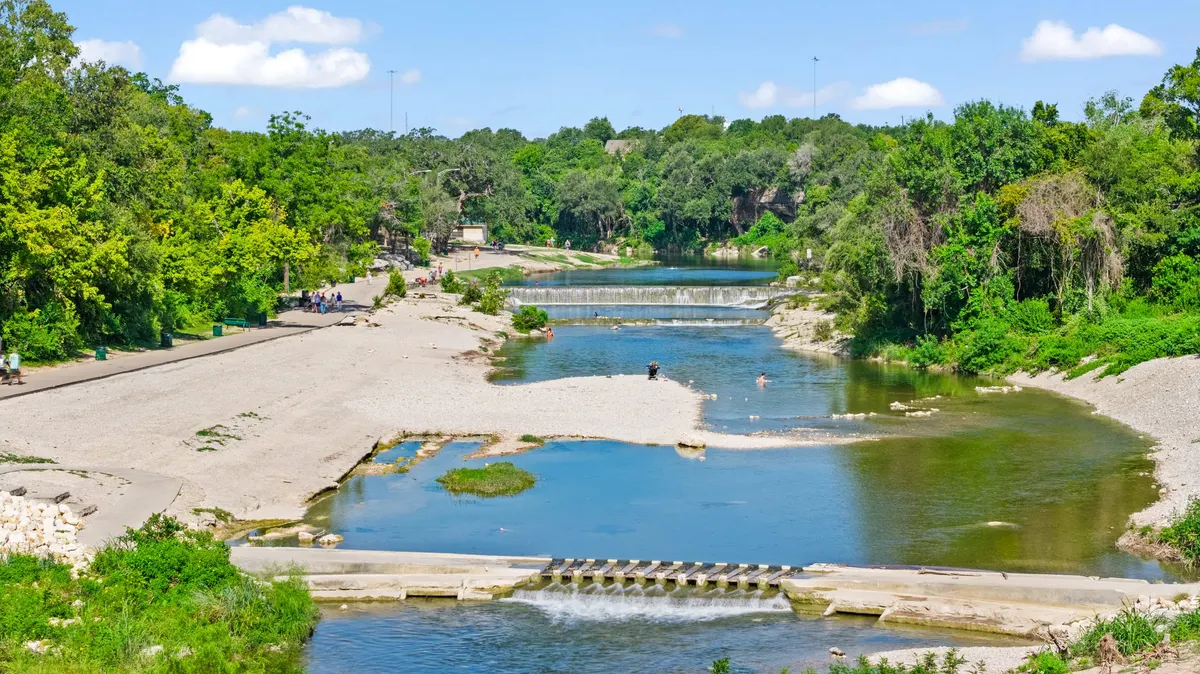
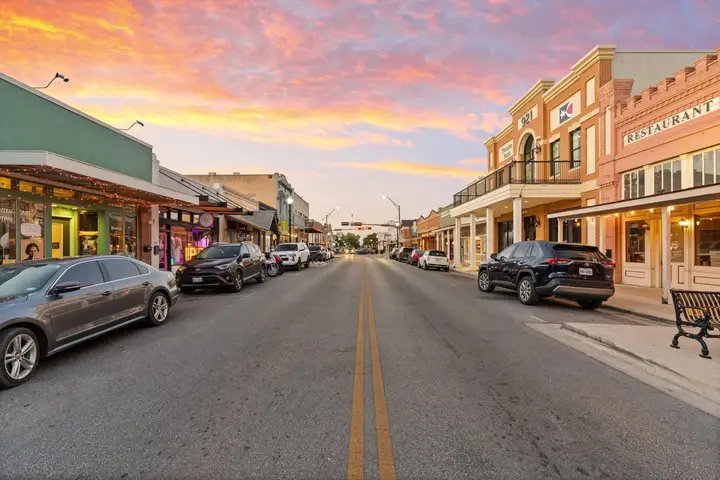
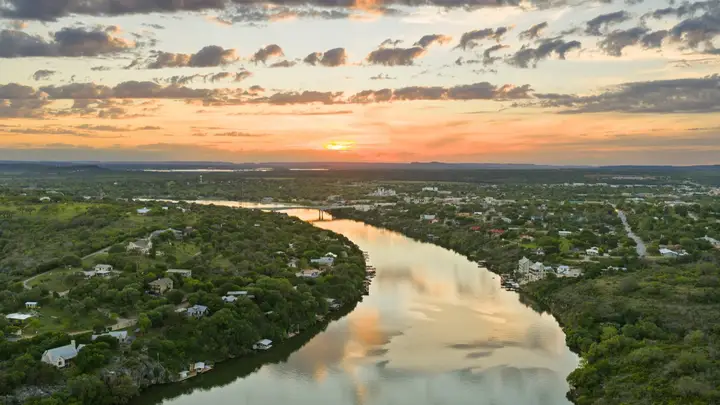
Georgetown is where Michael lives and works, and it shows up often for good reason. As the county seat, it pairs a celebrated historic downtown — the "Most Beautiful Town Square in Texas" — with large master-planned communities. Sun City by Del Webb is the state's largest 55+ active-adult community, with three championship golf courses and roughly 9,900 homes. Wolf Ranch by Hillwood straddles Hwy 29 along the San Gabriel River, anchored by an HEB town center. Add Lake Georgetown, Southwestern University, and a renewable-powered city utility, and you get a town with both character and infrastructure. Note that Georgetown addresses can fall in Georgetown ISD, Leander ISD, or Liberty Hill ISD, so always verify zoning by address.
Liberty Hill and Leander: the close neighbors
Liberty Hill, about 12 miles west on Hwy 29, leans rural and land-oriented, with fast-growing master-planned communities like Santa Rita Ranch and plenty of acreage and land. It is governed by the well-regarded Liberty Hill ISD and has been among the fastest-growing communities in the metro.
Leander, to the southwest, is defined partly by transit: it is the northern terminus of the Capital MetroRail Red Line, with the walkable Northline district rising near the station. Leander ISD is one of the strongest districts in the metro, and resort-style master-planned communities like Travisso and Bryson draw families. Want a direct comparison? See Georgetown vs. Liberty Hill and Georgetown vs. Leander.
Round Rock, Cedar Park, and the southern suburbs
Round Rock, the county's largest city, is an established suburb about 15 miles north of Austin on I-35, home to the global headquarters of Dell Technologies and known as the "Sports Capital of Texas." It tends to offer deep, varied inventory. Cedar Park, to its west, is a built-out suburb with strong retail and park amenities, popular with buyers who prioritize convenience. Both sit closer to Austin job centers than Georgetown, which is part of their appeal.
Hutto, Jarrell, and Taylor: value and growth
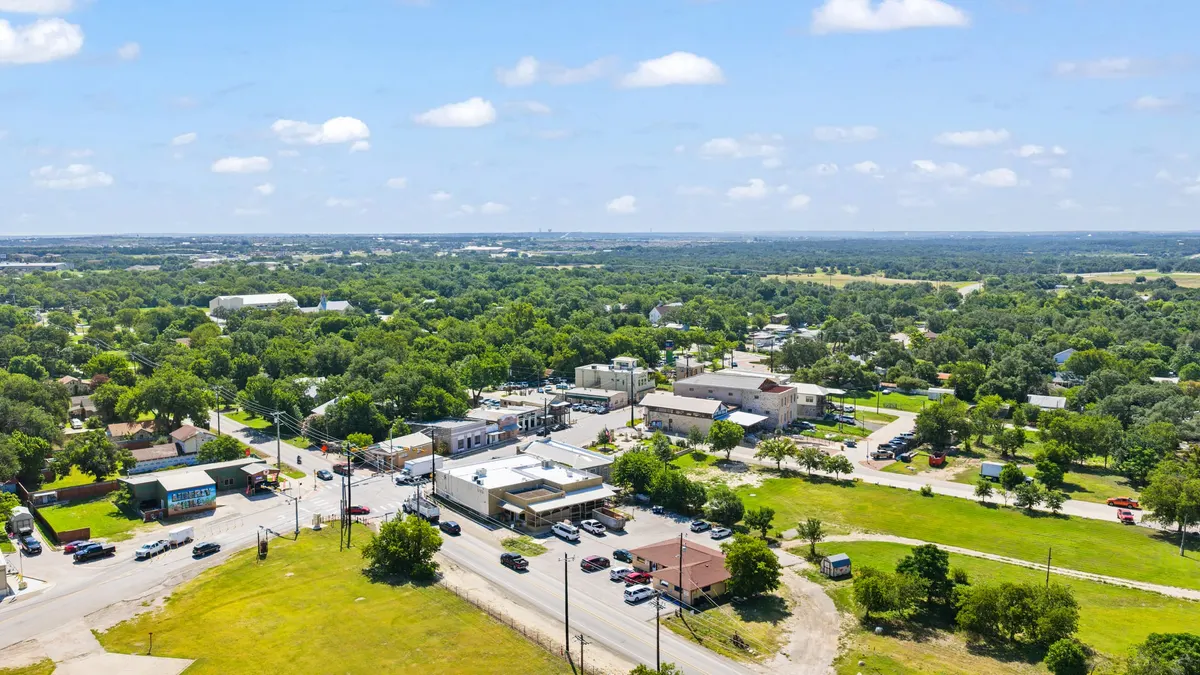
The eastern and northern edges of the county offer some of the most attainable new construction. Hutto, southeast of Round Rock, is building out around its Co-Op District downtown and benefits from the major semiconductor plant in nearby Taylor. Jarrell, about 15 miles north of Georgetown on I-35, is among the most affordable in the metro, with large value-priced communities like Sonterra — the trade-off being a longer commute and fewer amenities. Taylor, to the east, blends historic small-town charm with new growth tied to the regional job corridor.
Rural and Hill Country options
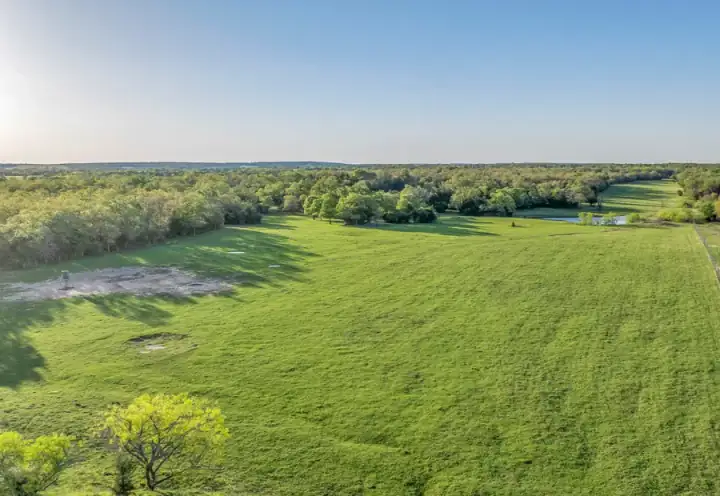
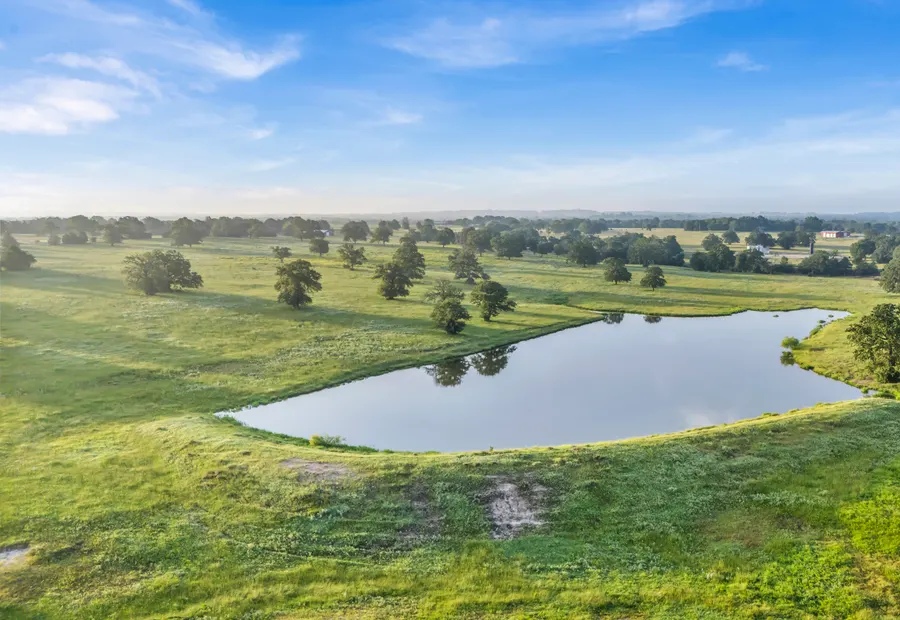
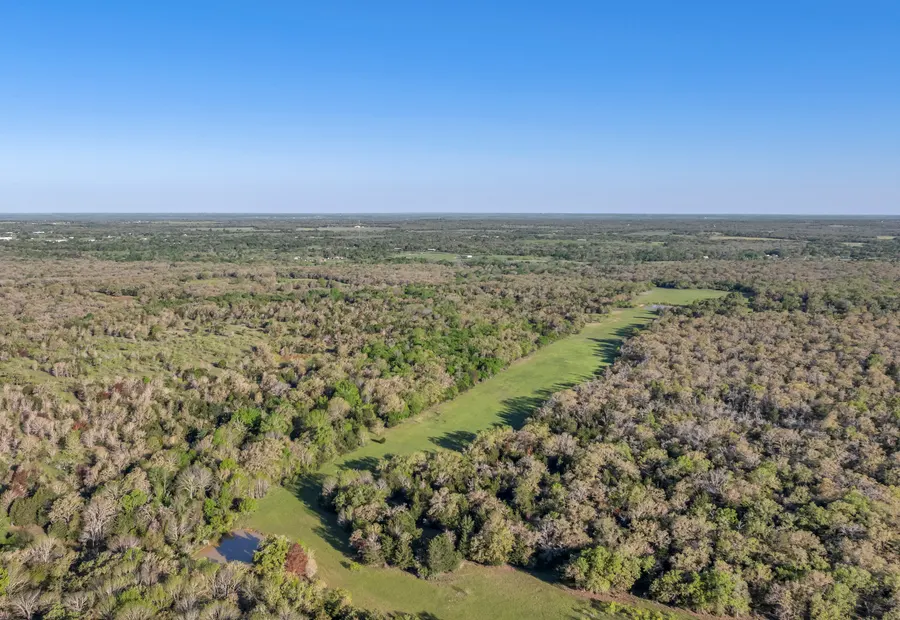
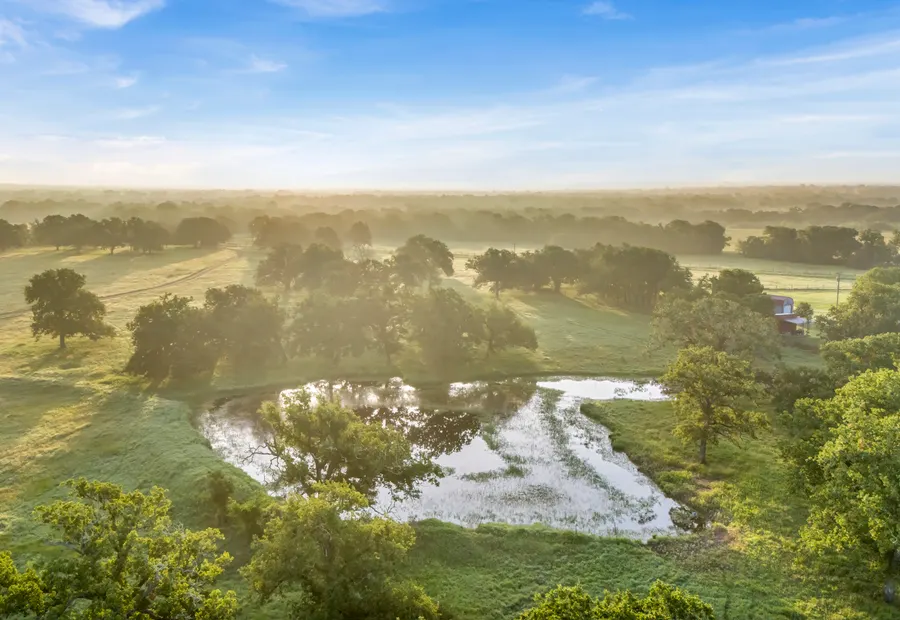
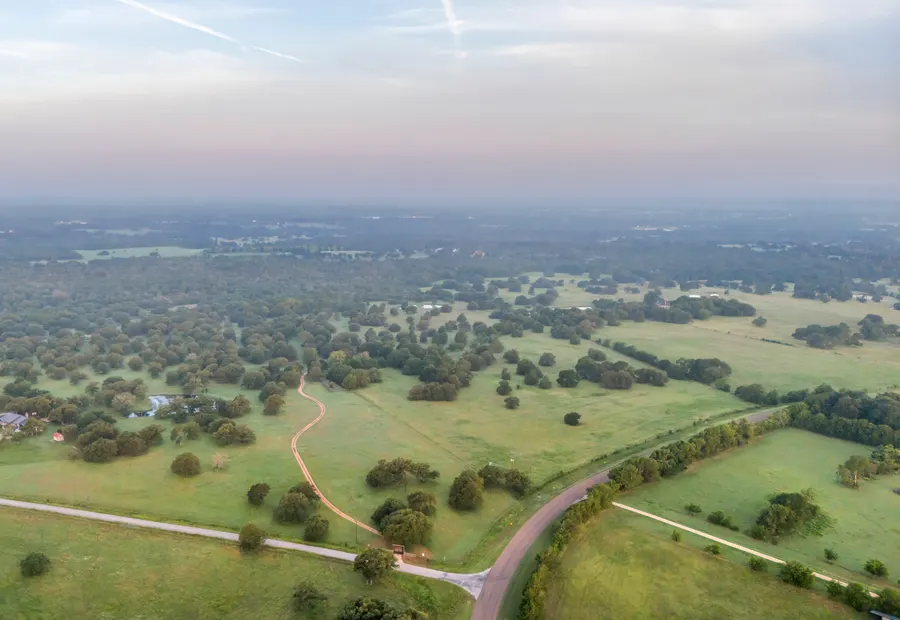
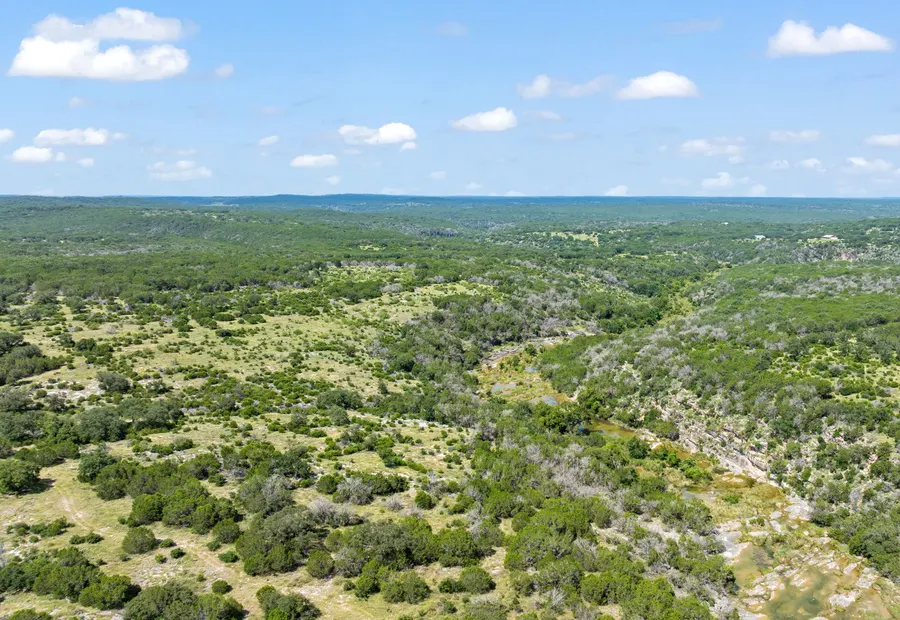
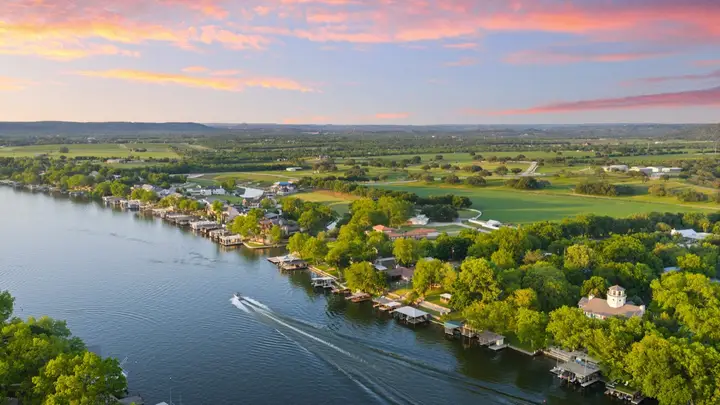
West of the I-35 corridor, Williamson County opens into the Hill Country, with acreage homes, custom builds, and land near Liberty Hill, Florence, Weir, and Granger, extending toward the Highland Lakes around Burnet and Marble Falls. Buying land brings a different checklist — water (well versus utility), septic, road access, and what a parcel can support. Michael helps buyers think through those questions before they fall for a view.
What to verify before you choose
- School zoning by address — one street can sit in a different district than the next; confirm with the district and WCAD.
- Total cost of ownership — add property tax plus any MUD/PID assessments and HOA dues, not just the price.
- Commute reality — drive your route at the time you would actually travel, not midday.
- Current market data — medians, inventory, and days on market shift monthly; rely on fresh figures, not last year's.
- Builder contracts — in new construction, bring your own agent and review incentives and timelines carefully.
For a deeper look at how local taxes work, see Georgetown property taxes.