
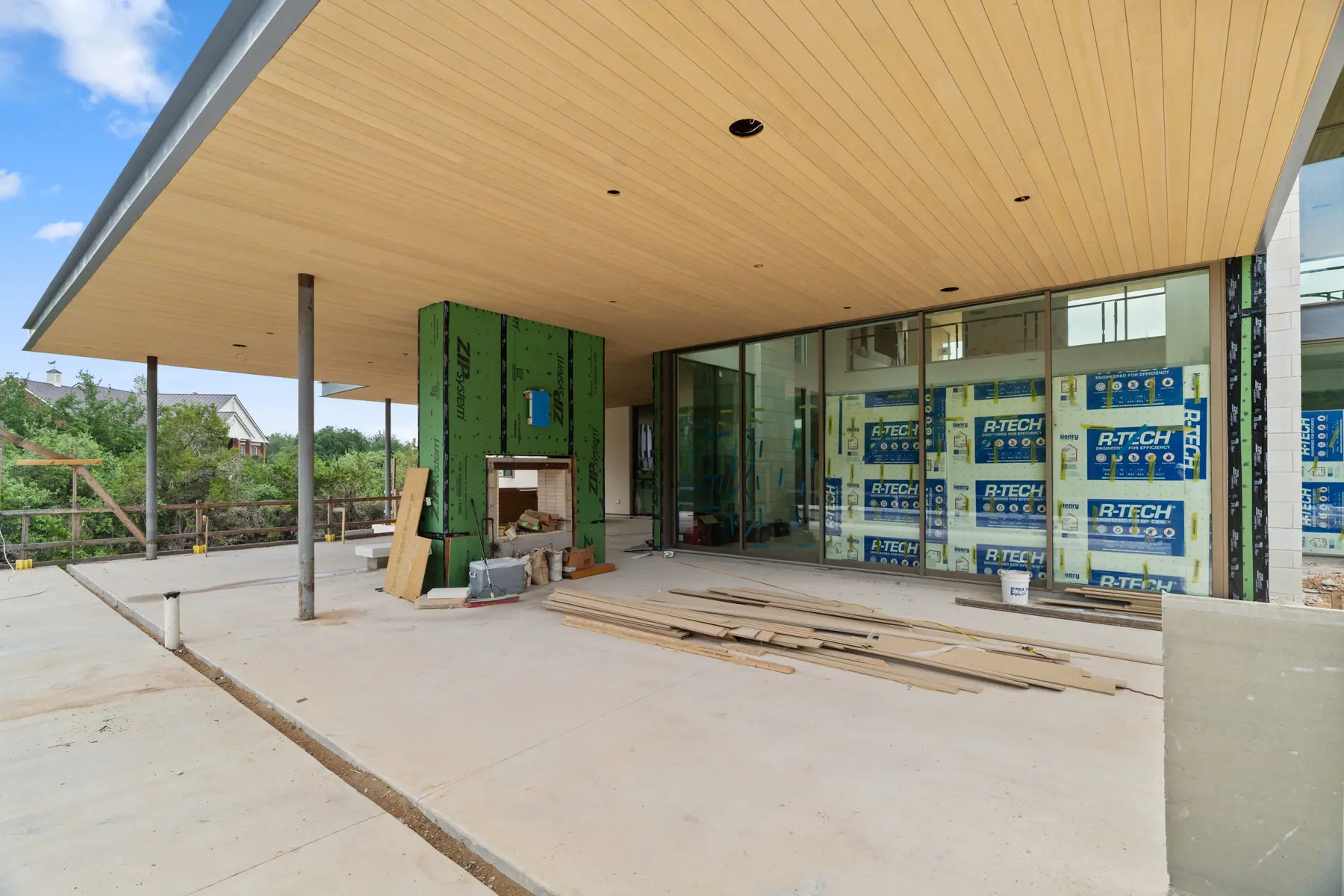
Georgetown new construction
New Construction Homes in Georgetown, TX
New construction homes in Georgetown, TX include options in Wolf Ranch, Parkside on the River, and Sun City Texas.
Current property search
New Construction in Georgetown.
Current Georgetown listings matched to this page, with filters ready for further refinement.
Loading current listings
Page 1

Listings courtesy of Unlock MLS as distributed by MLS GRID.
Participant brokerage: All City Real Estate Ltd. Co.
Some IDX listings have been excluded from this website.
All data is obtained from various sources and may not have been verified by broker or MLS GRID. Supplied Open House Information is subject to change without notice. All information should be independently reviewed and verified for accuracy. Properties may or may not be listed by the office/agent presenting the information.
The information provided is exclusively for consumers' personal, noncommercial use and may not be used for any purpose other than to identify prospective properties consumers may be interested in purchasing. Data is deemed reliable but is not guaranteed by MLS GRID.
Use of MLS GRID data may be subject to an end user license agreement prescribed by the applicable MLS, if any, as amended from time to time.
Any use or search of data on this website, other than by a consumer looking to purchase real estate, is prohibited. Report accuracy concerns to michaelrmoody@gmail.com or 512-496-0317.
Updated September 8, 2026.
Georgetown communities and builders to compare
These three communities offer useful starting points for a Georgetown new-home search. The official community pages below listed new-home options when this guide was updated. Confirm the exact section, builder, and available homesite before arranging a visit; a community name alone does not establish today's inventory or price.
| Community | Builder examples | What to compare |
|---|---|---|
| Wolf Ranch | The official builder directory includes Coventry, Drees, Highland, Perry, Pulte, and other builders. | Compare the specific South Fork or West Bend section, lot dimensions, included finishes, and access to the amenities you plan to use. |
| Parkside on the River | The community website lists Chesmar, Coventry, DRB, Highland, M/I Homes, Perry, and Taylor Morrison. | The community is on FM 2243, south of SH 29. It spans Georgetown ISD and Leander ISD areas, so verify the district and campuses for the exact lot. |
| Sun City Texas | Del Webb's Sun City Texas page lists new homes and floor plans. | Compare new construction with existing Sun City homes, the current community fees, and the community's age and occupancy requirements. |
Use the Georgetown master-planned community guide and neighborhood comparison to narrow your search by home layout, outdoor space, amenities, and daily travel. Drive the route from the actual community entrance to your regular destinations at the times you expect to travel.
Quick move-in or a home built to order?
A quick move-in home may already be complete or still under construction with selections made. Ask what remains before closing and which finishes, if any, you can change. A home built to order gives you more decisions to make, but the available options and schedule depend on the builder and homesite.
- If your move date is fixed: request a written construction status, expected completion date, and explanation of closing conditions. Keep a backup housing plan for delays.
- If customization matters: price the plan with your actual selections before comparing it with a finished home. Include the lot premium, structural options, design selections, and items supplied after closing.
- If you also need to sell: review how your sale, financing, rate lock, and the builder's deadlines fit together before committing deposits.
Compare at least one relevant resale option using Georgetown homes for sale. A similar purchase price can hide differences in repairs, landscaping, window coverings, appliances, and recurring community costs.
How to compare builder incentives
Get the offer for the specific home in writing. Ask which homes qualify, when you must contract and close, and whether the offer requires a particular lender or title company. A design credit, price reduction, and financing incentive affect your budget in different ways.
Request comparable Loan Estimates from the builder's lender and an outside lender. Compare the loan type, rate, points and lender fees, credits, cash to close, and monthly payment. The Consumer Financial Protection Bureau's comparison guide explains how to compare these figures and borrowing costs. If an offer reduces payments temporarily, ask the lender to show the payment after that assistance ends. Lower estimated taxes or insurance on one quote do not make the loan itself cheaper.
Plan representation before the model-home visit
Discuss buyer representation with Michael before touring. Confirm the builder's agent registration and compensation policies for your first visit, and make sure the agreement explains the services, duration, and fees. Registration rules vary by builder; do not assume a later introduction will qualify for a builder-paid contribution.
Broker compensation is negotiable. A builder's contribution is not guaranteed, and your written agreement determines your responsibilities. The builder's sales team represents the seller's interests. Having your own representative and receiving builder-paid compensation are separate questions.
TREC's 2026 buyer representation guidance explains the written-agreement requirements when a license holder works with a residential buyer. Read any agreement before signing, and ask Michael to explain the proposed arrangement. Start with the Georgetown home-buying guide for the broader process.
Read the contract, inspection terms, and warranty
Obtain the actual purchase contract and attachments before committing money. Focus on deposits and refundability, financing and appraisal conditions, change orders, completion dates, cancellation terms, and what happens if construction is delayed. Ask an attorney about legal terms you do not understand.
Arrange independent inspections with a qualified inspector and confirm access and timing with the builder. Depending on the construction stage, discuss a pre-drywall inspection and an inspection before closing. Get the builder's response to reported items in writing, including any work that would remain after closing.
A walkthrough, code inspection, and builder warranty serve different purposes. TREC's consumer inspection guidance explains the standard inspection report and how to find a licensed inspector. Read the actual warranty coverage and claim deadlines; schedule any warranty inspection early enough to submit claims before the applicable deadline.
Budget for taxes, MUD or PID charges, and HOA fees
Build your monthly comparison using principal and interest, insurance, applicable mortgage insurance, property taxes, HOA charges, and any assessments. Ask whether the tax estimate reflects the completed house and land. An earlier bill for an unfinished property may not represent the cost once the home is complete.
- MUD: a Municipal Utility District provides utility infrastructure or services and may levy property taxes. Confirm the district, current tax rate, and applicable purchaser notice. TCEQ's MUD resources include a district map and official guidance.
- PID: a Public Improvement District assessment is separate from a value-based property tax. Request the current assessment, payment schedule, notice, and any payoff information. Williamson County's PID guide identifies district contacts and explains that property-tax exemptions do not reduce the PID assessment.
- HOA and utilities: confirm recurring dues, transfer or capital fees, what amenities the dues cover, and utility providers for the lot.
Use the Williamson Central Appraisal District to check the property record, and confirm estimates with the relevant taxing authorities and lender. See Georgetown property taxes for more context. Avoid counting a MUD charge twice if it is already included in the total tax estimate.
Check the lot and the neighborhood's next phase
Walk the actual homesite and review the survey, easements, drainage information, and current development plans. Compare afternoon sun, driveway access, usable yard space, nearby roads, and the land behind the lot. Ask which amenities are open and which are still planned.
Confirm school assignments by address with the district rather than relying on a Georgetown mailing address or a model-home brochure. If resale is part of your plan, remember that you may eventually compete with the builder's remaining inventory. Treat upgrades and lot premiums as spending decisions, not guaranteed future appreciation.
Your checklist before signing
- Home and lot: exact address, plan, elevation, included features, selections, and full price.
- Financing: comparable Loan Estimates and the written conditions of any incentive.
- Representation: agreed services and fees, builder registration, and any confirmed contribution.
- Contract: deposits, refundability, financing conditions, construction deadlines, and delay provisions.
- Ownership costs: completed-home tax estimate, MUD or PID details, HOA charges, insurance, and utilities.
- Due diligence: inspection access, warranty deadlines, survey and easements, district-confirmed school assignments, and nearby development.
Ready to compare specific options? Contact Michael Moody, Broker Associate with All City Real Estate Ltd. Co., with your budget, move date, preferred home layout, and the communities you are considering. Call or text 512-496-0317.
Your local agent
Georgetown-rooted. Williamson County focused.
Michael Moody is a Broker Associate with All City Real Estate, helping clients compare Georgetown first, then the nearby communities when the search or sale plan expands.

Primary market
Georgetown, TX

Brokerage
All City Real Estate

Phone

FAQ
Direct Answers.
A quick pass through the questions that tend to matter before a search, sale, or area decision.
The official Wolf Ranch directory includes builders such as Coventry, Drees, Highland, Perry, and Pulte. Parkside on the River lists Chesmar, Coventry, DRB, Highland, M/I Homes, Perry, and Taylor Morrison. Del Webb offers new homes in Sun City Texas. These are examples checked in September 2026; confirm available homesites, plans, and current terms directly with each builder.
You can buy without your own agent, but the builder sales team represents the seller. Discuss services and negotiated fees with your chosen agent before touring, and confirm the builder registration policy. Do not assume the builder will pay your agent; understand any compensation you could owe under your written agreement.
It depends on the specific offer and financing. Get the incentive conditions in writing and compare the full home price, loan fees, cash to close, and monthly payment using comparable Loan Estimates. Ask about any lender requirements, closing deadline, and payment changes after temporary assistance ends.
The schedule depends on the home and its construction stage. A quick move-in home may be finished or still under construction; a home built to order also requires selections and construction time. Confirm the remaining work, expected completion, closing conditions, and contract provisions for delays before setting your move date.
An independent inspection can help identify issues before closing. Confirm inspection access and timing with the builder, and discuss pre-drywall and final inspections with a qualified inspector. Read the actual warranty and submit any later claims before its applicable deadlines.
A MUD may levy property taxes for district infrastructure and services. A PID imposes an assessment separate from value-based property taxes. Check the exact lot, current district information, notices, and payment obligations. Do not assume the same charges apply throughout a community or that an assessment will stay unchanged.
Compare specific properties rather than assuming one category costs less. Include lot premiums, upgrades, financing, taxes, HOA or district charges, and items needed after closing. A resale home may need repairs, while a new home may need landscaping, window coverings, or appliances that are not included.
Talk with Michael
Talk Through the Next Move.
Share the search, sale, property, timeline, or city comparison on your mind. Michael can help turn it into a clearer next step.