
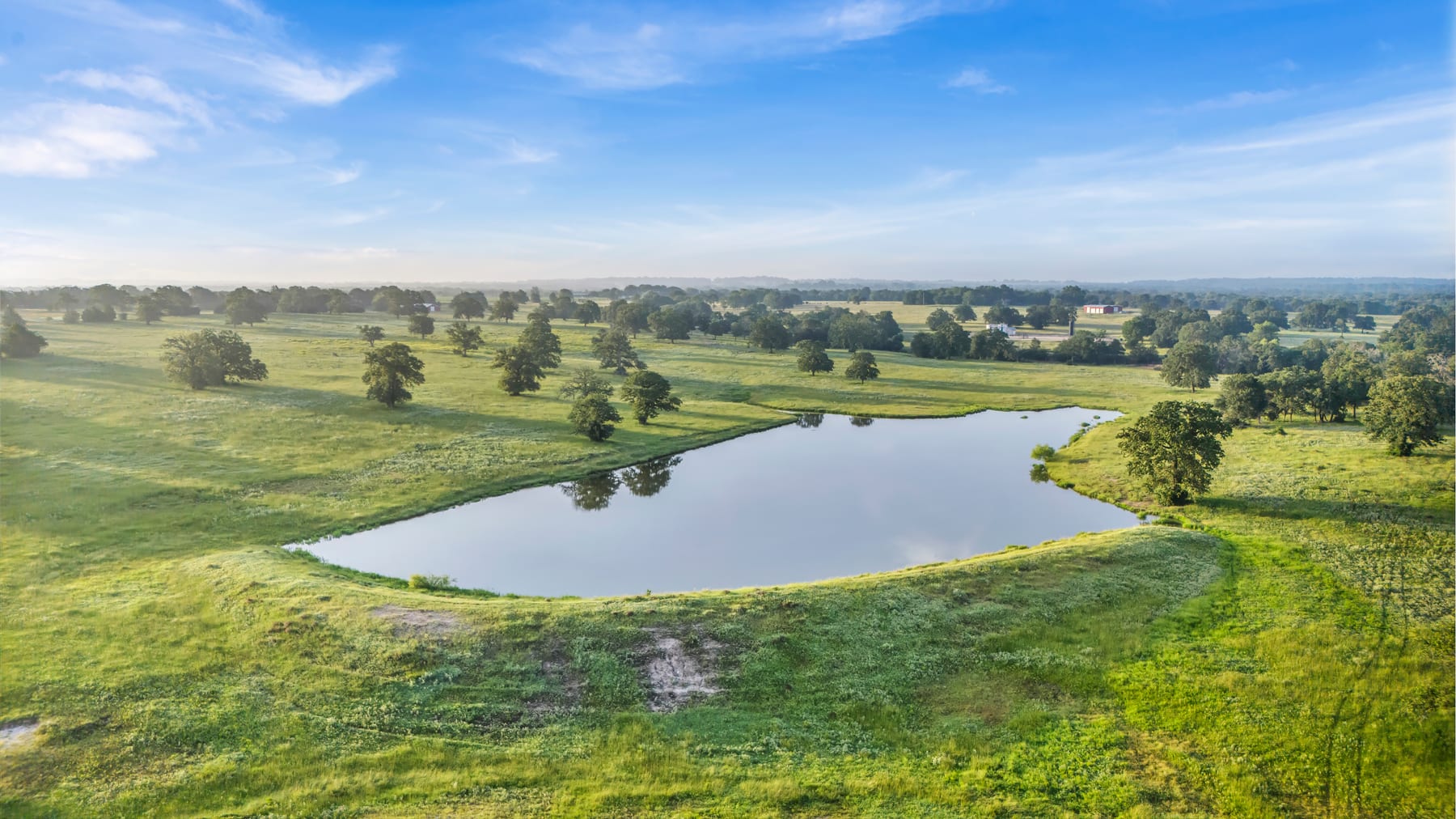
Florence at a glance
Florence is in northwestern Williamson County along State Highway 195, north of Georgetown and near the county's transition into the Hill Country. The City of Florence provides a small municipal center, while much of the surrounding market is rural land, pasture, ranch property, and homes on larger tracts.
The appeal is space and a quieter pace. The trade is distance from the I-35 corridor and the need to verify utilities and property systems rather than assuming every Florence address is served the same way.
Housing and land options
Buyers may find homes within or near the city, rural residences with established wells and septic systems, working land, and unimproved acreage. A home in city limits may have a different service and permitting profile from a tract several miles outside town, even when both use a Florence mailing address.
For acreage, establish the intended use before comparing listings. Horses, livestock, a large shop, manufactured housing, a second dwelling, short-term rental use, hunting, or future subdivision can all be affected by deed restrictions, city jurisdiction, county regulations, access, utilities, and financing. See the Florence homes and land guide for the full rural checklist.
Highway access and daily life
State Highway 195 is Florence's principal route toward Georgetown and the greater Central Texas road network. Buyers should test trips to work, schools, groceries, healthcare, and services from the property itself; a rural tract's county-road approach can add meaningful time beyond the map's city-to-city estimate.
Florence makes the most sense when land and setting rank ahead of walkability or immediate access to major retail. Buyers who want a similar northwest-county direction with more suburban infrastructure should compare Liberty Hill. Buyers who want a larger service center should compare Georgetown.
Schools, utilities, and jurisdiction
Florence ISD serves the local area, but zoning must be verified by exact address. School boundaries should never be inferred from the mailing city alone.
The City of Florence maintains municipal utility rules for water and sewer, but that does not mean every Florence-area parcel can connect. Confirm whether a property is inside city limits, which provider serves it, whether capacity and a meter are available, and the cost to connect. Outside the municipal system, buyers may be evaluating a private well and an on-site sewage facility regulated through the county.
Due diligence for Florence property
- Boundary and access: Obtain a current survey and verify public-road frontage or a recorded access easement.
- Water: Test an existing well for production and quality, or confirm public-water availability and connection cost.
- Septic: Review permits, type, capacity, maintenance, and soil suitability for any planned construction.
- Floodplain and drainage: Use official Williamson County floodplain maps and evaluate low crossings, creeks, and the proposed building site.
- Restrictions and taxes: Review recorded restrictions and verify agricultural or wildlife valuation before changing the land's use.
- Utilities and coverage: Confirm electric service, internet, propane, trash, cell coverage, and the cost to extend service to a homesite.
Who Florence tends to fit
Florence tends to fit buyers who value acreage, rural character, and flexibility more than a short commute or subdivision amenities. It can work well for a finished country home or a carefully vetted build plan, but raw land should be priced together with the infrastructure still required.
Compare Florence with the rural Williamson County guide and the article on acreage areas near Georgetown, then use a property-specific search instead of broad assumptions.