
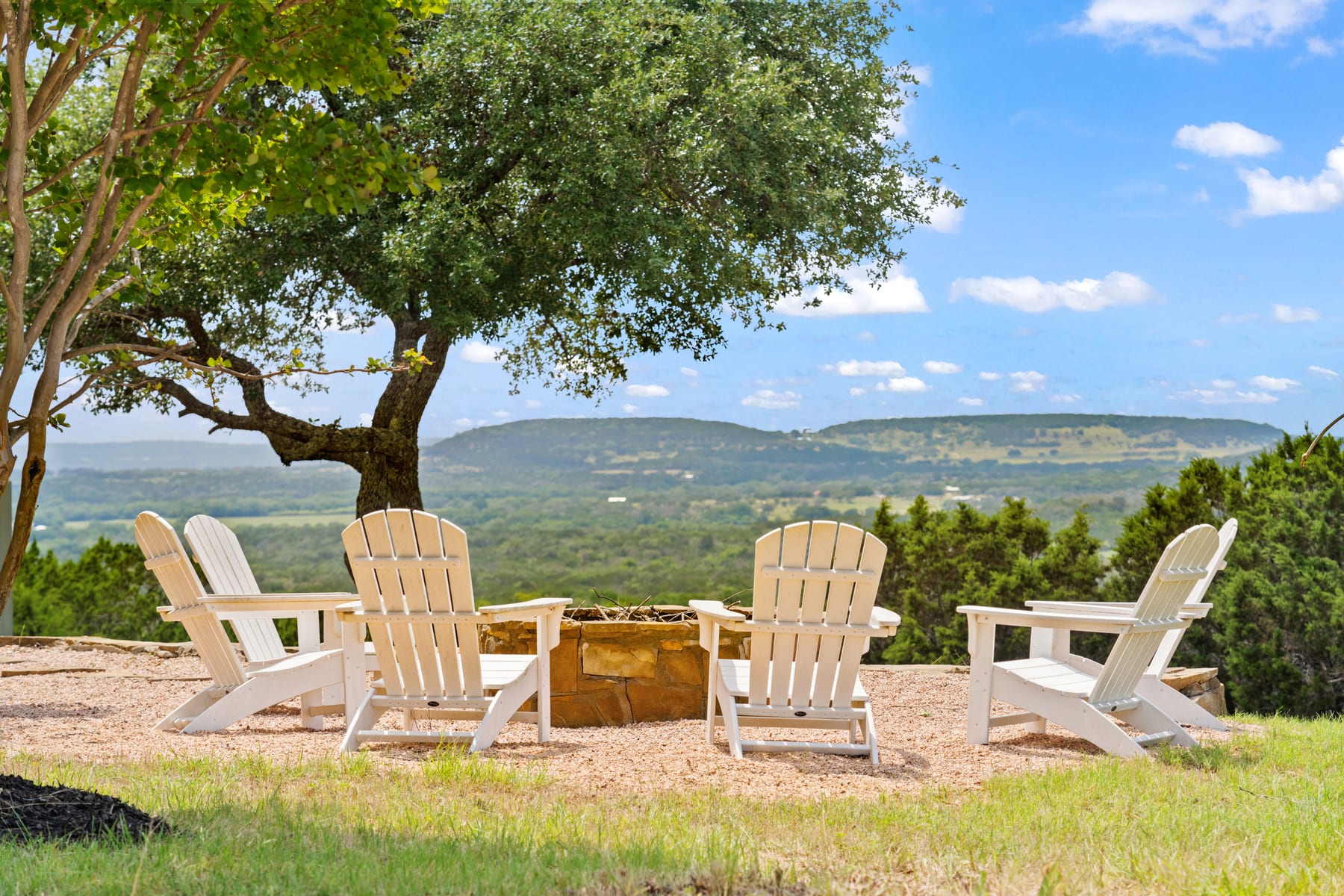
Where Burnet sits
Burnet is a Hill Country town and the seat of Burnet County, positioned as a gateway to the Highland Lakes region and the lakes along the Colorado River. It lies west of Georgetown and the rest of Williamson County real estate, which makes it part of the metro's "extended reach" rather than a daily-commute suburb. For many buyers that distance is the appeal: more land per dollar, Hill Country views, and easy weekend access to the water.
The town itself offers a courthouse-square small-town feel, local services, and a base for exploring nearby lakes and parks. Confirm current drive times to Austin, Georgetown, and the specific lake you care about, since they vary with route and traffic.
What the Burnet market looks like
Burnet real estate tends to fall into a few buckets:
| Property type | Who it tends to fit | What to verify |
|---|---|---|
| In-town homes | Buyers wanting walkable services, smaller lots | Lot, age, utilities |
| Newer subdivisions | Buyers wanting move-in-ready with some amenities | HOA rules, taxes |
| Rural acreage | Land buyers, hobby-farm, privacy seekers | Access, well, septic |
| Lake-area property | Second-home and recreation buyers | Water access vs. waterfront |
Pricing spans a wide range depending on whether you're buying a modest in-town home or a multi-acre tract, so treat any single "median" figure as a rough guide and verify current numbers for the property type you want.
Acreage and lake-area considerations
A large share of Burnet County buying involves land, and land changes the checklist. Many rural parcels sit outside city utilities, which means private wells and on-site septic systems (OSSFs) rather than municipal water and sewer. These are normal here but require their own evaluation — flow and water-quality for wells, and system type, permit history, and condition for septic — and they are not part of a standard home inspection.
For acreage, also confirm legal road access (public frontage versus a recorded easement), get a current survey, and check topography and floodplain, since Hill Country terrain and creeks affect where you can build. Larger tracts may carry ag or wildlife valuations that lower property taxes but can trigger rollback exposure if the use changes — verify status with the appraisal district and a tax professional.
If you're drawn to Burnet for the lakes, read the distinction between true waterfront, waterview, and deeded community access carefully. Our Highland Lakes real estate guide breaks down water access, lake levels, flood insurance, and restrictions in detail.
Small-town lifestyle
Burnet appeals to buyers who want a quieter, Hill Country pace with room to spread out. The town provides everyday essentials and a community feel, while the surrounding county offers ranchland, parks, and quick access to the lakes for boating and fishing. It tends to suit retirees, remote workers, land buyers, and families who prioritize space and setting over a short commute to Austin jobs.
That trade-off cuts both ways. Rural living means more self-reliance — private utilities, longer drives for some services and shopping, and slower-arriving infrastructure. Buyers who want turnkey suburban convenience, deep retail, or a daily north-Austin commute often look closer in, in Williamson County real estate communities. Nearby Marble Falls, TX is another lake-area option with a different mix of amenities and waterfront.
Schools and taxes
Much of the Burnet area is served by Burnet Consolidated ISD (Burnet CISD), but district boundaries and campus assignments depend on the exact address, especially for rural parcels — so always verify by address rather than by town name. Check campus assignments and ratings directly with the district and the state, and do not treat any rating as guaranteed.
On taxes, Texas has no state income tax, so property taxes carry more of the load and combine county, school district, and any special districts (such as an ESD or MUD) into one bill. Rates and overlays vary by parcel, and homestead, over-65, and disabled-veteran exemptions can lower what you owe. Verify rates, district overlays, and exemptions with the county appraisal district and a tax professional before you budget.
Who Burnet suits — and what to verify
Burnet tends to fit buyers who want land, Hill Country setting, and nearby lake access, and who are comfortable with rural systems and a verify-everything pace. Before you write an offer, line up answers to these:
- School district and campus assignment for the exact address.
- Property tax rate and any MUD/ESD/special-district overlays.
- Water source — public, shared, or private well — plus flow and quality.
- Septic/OSSF type, permit history, and condition.
- Legal road access and a current survey for acreage.
- Floodplain, topography, and any ag/wildlife valuation.
- Deed restrictions, HOA/POA rules, and short-term-rental rules.
Always confirm school zones, tax details, and restrictions with the county, the appraisal district, the relevant school district, your lender, a title company, or a tax professional.