
Coupland at a glance
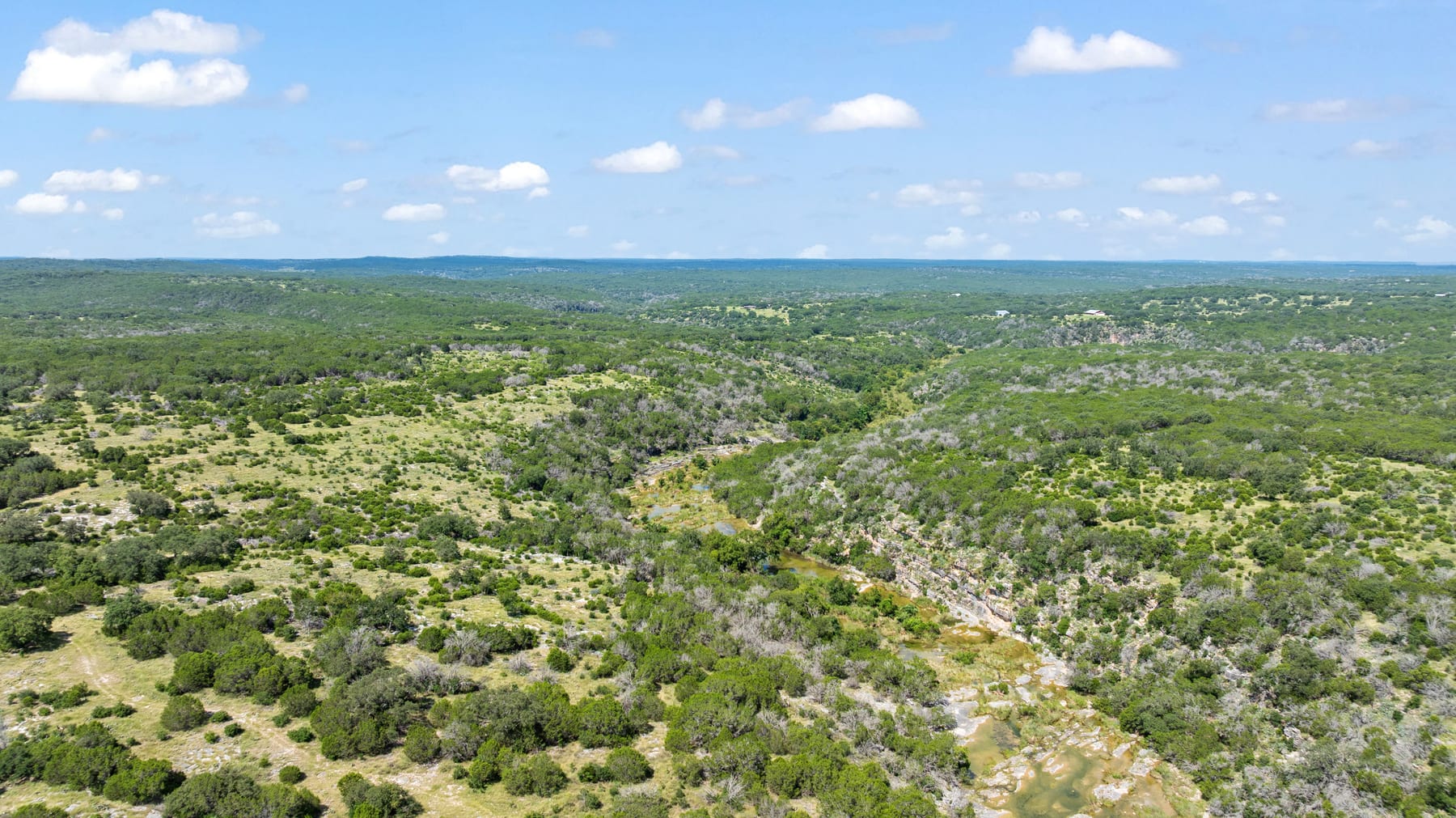
Coupland sits in southeastern Williamson County along the State Highway 95 corridor, south of Taylor and east of the county's larger suburban markets. Its historic train-depot core and surrounding farm and ranch land create a very different search from Georgetown, Round Rock, or a master-planned community.
The City of Coupland describes itself as a small Type B general-law municipality whose regular services are focused on road maintenance and administration of its subdivision ordinance. That matters in a property search: a Coupland mailing address does not automatically mean a full package of municipal utilities or services. Confirm whether the parcel is inside city limits, in the city's extraterritorial jurisdiction, or in unincorporated Williamson County.
Homes, acreage, and buildable land
Coupland inventory can include older homes near the town center, rural residences on larger tracts, working agricultural land, and unimproved parcels. Those property types should not be compared on price alone. A finished home with established utilities is a different purchase from raw acreage that still needs a driveway, well or water connection, septic design, power, and site preparation.
Start with the intended use. Buyers planning livestock, a workshop, a home-based business, additional dwellings, or a future subdivision should review deed restrictions, easements, city or county rules, and any agricultural valuation before making an offer. The dedicated Coupland homes and land guide goes deeper on rural due diligence.
Access and daily logistics
State Highway 95 is the primary regional route, connecting Coupland with Taylor to the north and the Elgin area to the south. County roads and farm-to-market roads shape many individual properties, so commute time should be tested from the actual driveway during the hours that matter to you.
Everyday shopping, medical care, and major employment are generally reached in nearby communities rather than within Coupland itself. Buyers who value acreage and a rural setting may see that as a reasonable trade. Buyers who want walkable errands, a short urban commute, or city utilities at every address should compare Coupland with Taylor, Hutto, and the broader Williamson County market.
Schools and local services
Coupland ISD serves the local community, but district boundaries and campuses must be confirmed for the exact property. Do not rely on the city name, postal address, or a listing portal as a school-zone guarantee.
Service providers can change from one tract to the next. Confirm the water source, wastewater setup, electric provider, internet options, trash service, emergency-service district, and road-maintenance responsibility in writing. If a public line is nearby, verify that a meter or tap is actually available and what connection will cost.
Rural-property checks that matter
- Survey and legal access: Confirm boundaries, acreage, recorded easements, and frontage on a public road.
- Water and septic: Inspect an existing well and on-site sewage facility, or verify the feasibility and cost of new systems.
- Floodplain and drainage: Review the Williamson County floodplain resources, then evaluate the homesite and access after heavy rain.
- Restrictions and easements: Read the title commitment for building limits, utility or pipeline easements, mineral reservations, and access rights.
- Taxes and land use: Verify agricultural or wildlife valuation and possible rollback exposure with the appraisal district and a tax professional.
- Insurance and financing: Use lenders and insurers familiar with rural homes, acreage, outbuildings, wells, and septic systems.
Who Coupland tends to fit
Coupland tends to fit buyers who prioritize land, privacy, a small-town setting, and room for projects over immediate access to suburban amenities. It is less predictable than buying in a planned neighborhood, so the strongest offers leave enough time for survey, title, utility, soil, septic, floodplain, and financing review.
Browse the live Coupland property search, then ask Michael to separate properties that are genuinely ready for your plans from those carrying expensive infrastructure or access questions.