
Local guide
Coupland, TX Homes and Land
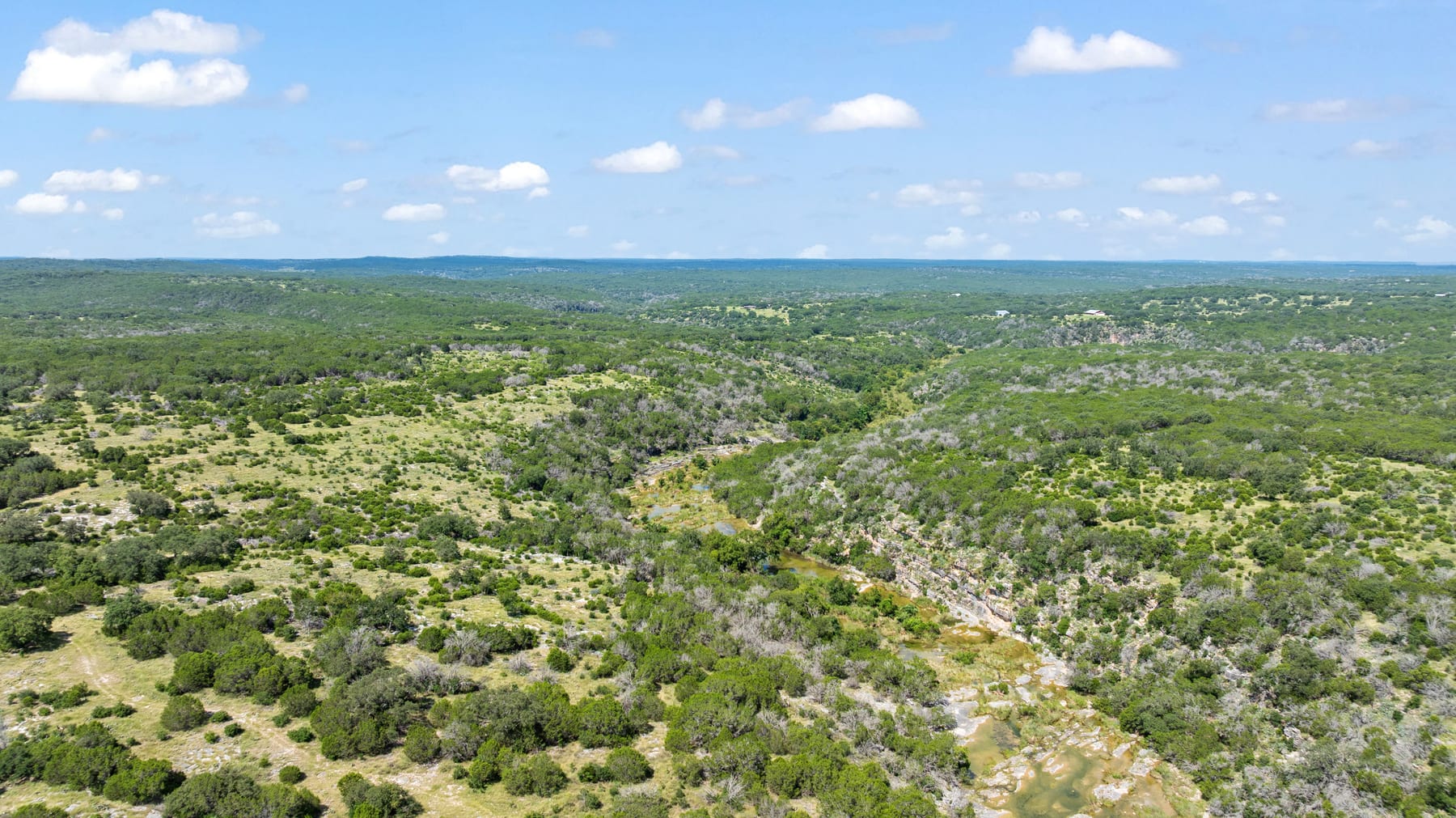
Coupland is a very small community in southeast Williamson County, where real estate is mostly homes on town and rural lots plus acreage tracts on open.
Current property search
Coupland Land and Acreage.
Current Coupland listings matched to this page, with filters ready for further refinement.
Loading current listings
Page 1

Listings courtesy of Unlock MLS as distributed by MLS GRID.
Participant brokerage: All City Real Estate Ltd. Co.
Some IDX listings have been excluded from this website.
All data is obtained from various sources and may not have been verified by broker or MLS GRID. Supplied Open House Information is subject to change without notice. All information should be independently reviewed and verified for accuracy. Properties may or may not be listed by the office/agent presenting the information.
The information provided is exclusively for consumers' personal, noncommercial use and may not be used for any purpose other than to identify prospective properties consumers may be interested in purchasing. Data is deemed reliable but is not guaranteed by MLS GRID.
Use of MLS GRID data may be subject to an end user license agreement prescribed by the applicable MLS, if any, as amended from time to time.
Any use or search of data on this website, other than by a consumer looking to purchase real estate, is prohibited. Report accuracy concerns to michaelrmoody@gmail.com or 512-496-0317.
Coupland TX homes and land at a glance
Coupland sits in the southeast corner of Williamson County, near the Bastrop and Travis county lines, between Taylor, Elgin, and Hutto. It is genuinely small — a crossroads community surrounded by farmland — so inventory is limited and mixed: older homes, the occasional newer build, and bare or improved acreage. Pricing, price-per-acre, and days on market move with each parcel and should be confirmed against current data rather than a single number.
The appeal is rural quiet and open land within driving distance of several growing towns; the tradeoff is fewer services close by and a longer drive for most errands and jobs. For how Coupland compares with the county's other small towns, see the rural Williamson County homes and land overview.
Small-town tradeoffs in Coupland
Coupland is the quietest of the east-county options, and that is the point. You get open sky, low density, and room for animals or a workshop, but you accept that grocery, larger retail, medical, and most jobs are a real drive away — generally toward Taylor, Hutto, Elgin, or Austin. Before you fall for a particular tract, drive the actual routes you would use daily and weekly, at the times you would use them.
The flip side is that Coupland still sits within reach of east-county growth, including activity radiating from the Taylor area, without putting you in the middle of it. For buyers who want a buffer of land and a slower pace, that distance is a feature, not a flaw. Whether it fits depends entirely on your tolerance for commuting and self-reliance.
Water, septic, and utilities on Coupland acreage
Water is the first question. Some Coupland-area properties connect to a rural water supply corporation; others depend on a private well. For a well, request the well log, depth, recent flow and water-quality testing, and the condition of the pump and pressure system. For co-op service, confirm an existing meter or paid membership and that a meter can be set for your intended use.
Wastewater on rural land is typically a private septic system (OSSF). Ask whether it is conventional or aerobic, when it was last inspected and pumped, and that the permit is on file with the county. Vacant land requires a soil/site evaluation to determine the system it can support.
Confirm electric provider, propane versus natural gas, and whether broadband or fixed-wireless internet actually reaches the parcel. None of these can be assumed on rural land the way they can in a city subdivision.
Access, easements, floodplain, and deed restrictions
Confirm legal, recorded access to any tract. County-road frontage is straightforward; a parcel reached by a shared drive or an easement across a neighbor needs that easement recorded in writing. Ask which easements cross the land — utility, pipeline, or drainage easements can limit where you build.
Floodplain is worth a careful look in this part of the county, with Brushy Creek, the San Gabriel, and other drainages nearby. Pull the FEMA flood map for the specific tract and confirm whether any portion sits in a special flood hazard area, which affects building placement and insurance.
Check for recorded deed restrictions before assuming a use is allowed. Even rural tracts can restrict mobile homes, livestock, further subdivision, or commercial use. Read them before you plan.
Ag valuation, rollback taxes, and financing
Many Coupland tracts carry an agricultural or wildlife-management valuation that lowers taxable value while the land is used for a qualifying purpose. Confirm two things with the Williamson Central Appraisal District: whether the valuation transfers or must be re-applied for, and your rollback-tax exposure if you change the use. Ending an ag valuation can recapture several years of back taxes plus interest — a number to understand before closing.
Land financing differs from a standard mortgage. Raw or unimproved land often needs a land or lot loan with a larger down payment and different terms, so engage a lender experienced with rural property early. On any acreage purchase, budget for a current boundary survey rather than relying on an old one.
Taxes here combine county, school district, and any special districts. Texas has no state income tax, but rural bills vary by entity and exemptions, so treat any specific rate as something to verify with the county and a tax professional. See the Georgetown property taxes page for how the pieces fit together, and confirm the school district by exact address since boundaries near the county lines can be surprising.
What to verify before you buy Coupland land
- Water source: private well (log, flow, quality, pump) or rural water supply corporation (meter/membership)
- Septic/OSSF type, age, last inspection, county permit; soil/site evaluation for vacant land
- Electric provider, propane vs. gas, and broadband or fixed-wireless availability
- Legal recorded access; easements crossing the tract (utility, pipeline, drainage)
- FEMA floodplain status along area creeks and drainages for the specific parcel
- Recorded deed restrictions (mobile homes, livestock, subdivision, commercial use)
- Ag/wildlife valuation status and rollback-tax exposure (confirm with WCAD)
- Survey, title commitment, and a land-savvy lender lined up early
- School district boundaries and ratings by exact address, especially near county lines (verify with the district)
- Realistic drive times to Taylor, Hutto, Elgin, and Austin (test them yourself)
Who Coupland suits
Coupland tends to fit buyers who want genuine rural quiet and open land, who value space and lower land cost over close-in amenities, and who are comfortable managing well, septic, and a longer commute. It is less suited to buyers who want a turnkey subdivision lot, walkable services, or a short central-Austin commute. Michael can help you weigh that tradeoff honestly against your day-to-day needs.
Your local agent
Georgetown-rooted. Williamson County focused.
Michael Moody is a Broker Associate with All City Real Estate, helping clients compare Georgetown first, then the nearby communities when the search or sale plan expands.

Primary market
Georgetown, TX

Brokerage
All City Real Estate

Phone

FAQ
Direct Answers.
A quick pass through the questions that tend to matter before a search, sale, or area decision.
Coupland inventory leans toward homes on town or rural lots and acreage tracts rather than new subdivisions. Because the community is small, listings are limited and vary widely week to week. Confirm current pricing and price-per-acre against live data rather than a single quoted figure, since values move parcel by parcel.
It depends on the parcel. Some Coupland-area properties connect to a rural water supply corporation, while others rely on a private well. Confirm the water source in writing for any tract. For a well, get the log, flow, and water-quality results; for co-op water, verify an existing meter or membership before assuming water is available.
Coupland is a small southeast-county community, so grocery, larger retail, and most jobs are a drive away toward Taylor, Hutto, Elgin, or Austin. Exact times depend on your route and destination, so test the actual commute before committing. Buyers here generally accept that distance in exchange for space and quiet.
If a tract has an agricultural or wildlife valuation and you change it to a non-qualifying use, the county can recapture several years of tax savings plus interest — a rollback tax. Confirm the valuation status and your exposure with the Williamson Central Appraisal District and a tax professional before you close.
Coupland sits near the county lines, so school district boundaries can vary by exact address. Do not assume a district from the mailing address; verify the assigned schools by the specific parcel with the district and the appraisal district. Michael can help you confirm boundaries and ratings before you make an offer.
Yes. A current boundary survey protects against fence-line, easement, and acreage discrepancies an old survey can hide. Pair it with a title commitment so easements and access surface before closing. Michael can help coordinate survey, title, and inspections on a Coupland purchase.
Talk with Michael
Talk Through the Next Move.
Share the search, sale, property, timeline, or city comparison on your mind. Michael can help turn it into a clearer next step.