
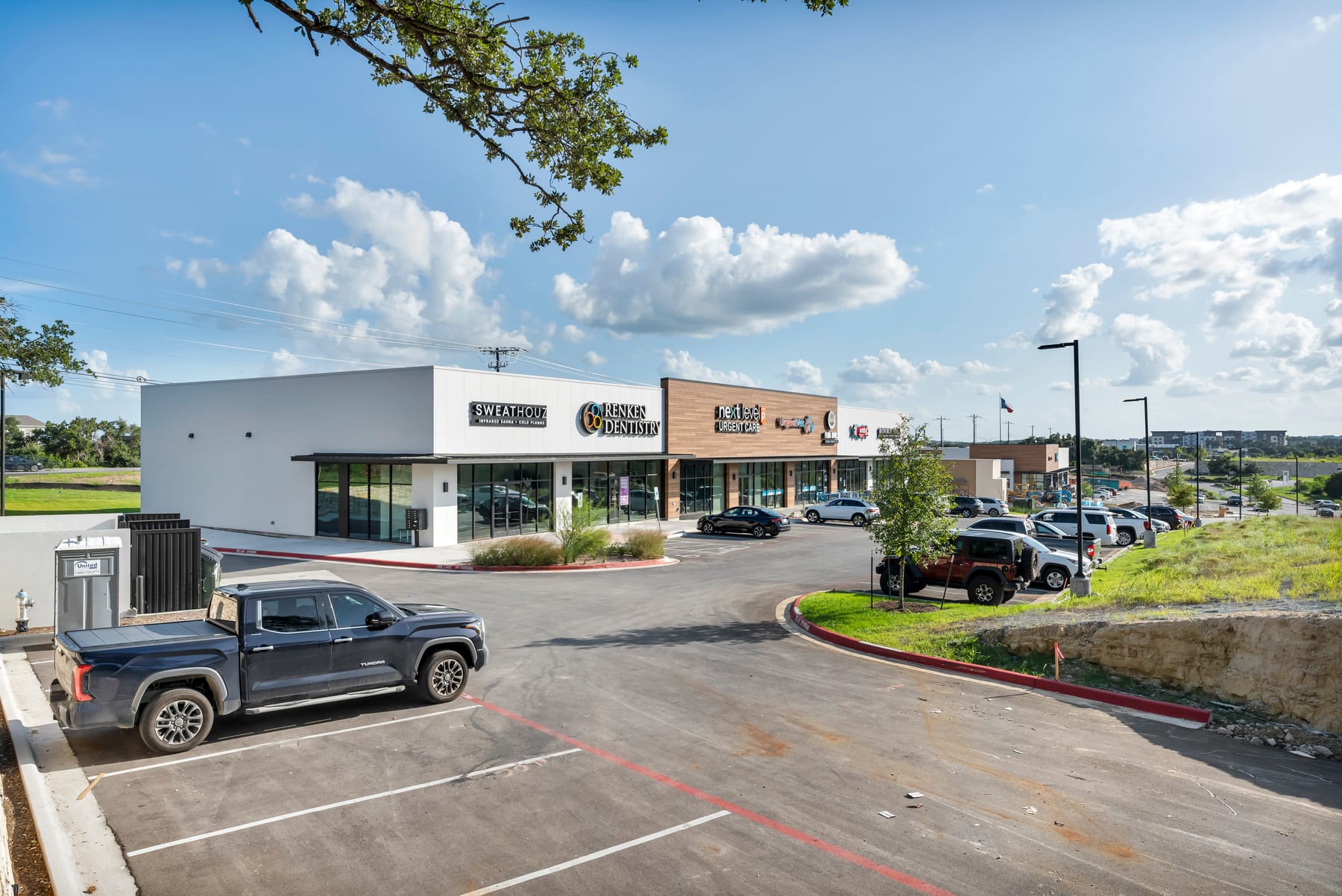
Leander vs Georgetown at a glance
| Factor | Leander | Georgetown |
|---|---|---|
| Location | NW Austin metro, ~22–25 mi NW of downtown | County seat, ~26–30 mi N of Austin on I-35 |
| Counties | Williamson + Travis | Williamson |
| Commute edge | MetroRail Red Line (rail to Austin) + 183A toll | I-35 / SH-130 tollway; drive-first |
| Identity | Newer suburb, master-planned growth | Historic Square, established small-city feel |
| Schools | Leander ISD | Georgetown ISD; some areas Leander/Liberty Hill ISD |
| Housing stock | Heavy new construction, planned amenities | Mix of historic, established, and new MPCs |
| 55+ option | Limited | Sun City (Del Webb), ~9,900 homes |
| Median price | Higher end of the area range | Low-to-mid $400,000s |
| Best for | Rail commuters, new-build buyers | Square lovers, retirees, space seekers |
Prices, taxes, and ratings move month to month — confirm the latest before you act.
Why Leander buyers start with the rail line
The single feature that sets Leander apart in this matchup is transit. Leander Station is the northern terminus of Capital MetroRail's Red Line, a roughly 32-mile route with stops toward Lakeline, the Domain area, and downtown Austin. For a commuter who would rather read or work than fight I-35, that rail option is a daily-life difference Georgetown does not offer. Service days and frequency change, so confirm the current schedule and fares on CapMetro and the City of Leander transit page.
Just as important is Northline, the walkable, mixed-use district rising next to the rail station. It pairs homes, retail, and gathering space in a transit-oriented layout that appeals to buyers who want a town center within walking distance. If that lifestyle is your priority, Leander's design leans into it in a way Georgetown's car-oriented edges do not. You can dig deeper on our Leander MetroRail homes near Northline page.
New construction and master-planned living
Leander has grown fast, and much of its inventory is recent. Master-planned communities such as Travisso, Crystal Falls, Bryson, Palmera Ridge, Mason Hills, Caballo Ranch, and Deerbrooke offer resort-style pools, trail systems, and amenity centers built into the neighborhood from day one. For a buyer who wants a newer floor plan, current finishes, and warranty coverage, Leander's supply runs deep.
Georgetown builds plenty of new homes too — Wolf Ranch by Hillwood and the communities around it are active — but Georgetown's character also rests on its established neighborhoods and its historic core. If you specifically want a brand-new house inside a large planned community with shared amenities, Leander gives you more of those choices at once. Compare both inventories on our Leander, TX real estate and Georgetown, TX real estate pages.
Schools: Leander ISD vs Georgetown ISD
Leander addresses are generally served by Leander ISD, one of the metro's well-regarded districts, particularly at the middle- and high-school level. Georgetown is served mainly by Georgetown ISD, though parts of the Georgetown area fall into Leander ISD or Liberty Hill ISD depending on location.
Because attendance zones follow the address — not the city line — never assume a home feeds a specific campus. Pull the current rating and boundary for any property you're serious about, and verify with the district and through txschools.gov. Ratings and zones shift as both districts add campuses for fast-growing enrollment.
Commute reality: rail or wheels
A Leander buyer weighing Georgetown should be honest about how they'll actually get to work. Leander's draw is the option to park-and-ride the train; its roads still rely on the 183A toll and US-183 for drivers. Georgetown commuters lean on I-35 and the SH-130 tollway and typically reach north Austin job centers by car in roughly half an hour to forty-five minutes, traffic depending.
If your office is downtown or near a Red Line stop, Leander's rail can simplify your week. If you commute by car regardless, the two towns are closer than they look, and Georgetown's position at the top of I-35 may suit you just as well. Map your own route at your typical departure time before you let commute decide.
Taxes and cost of ownership
Both cities sit in Williamson County, and Leander's Travis County portions follow that county's rules instead — so your exact bill depends on the address. In Texas there's no state income tax; your property-tax total is the sum of county, city, school district, and any MUD or PID assessments layered onto a newer community.
Newer master-planned neighborhoods — common in Leander — more often carry a MUD or PID, which can raise the early-year total even when the base rate looks similar. Add HOA dues on top. Before comparing two homes, total the property tax plus MUD/PID plus HOA for each, and verify the figures with the county, the appraisal district, and a tax professional. See our Williamson County real estate overview for the lay of the land. Helpful sources include the Williamson Central Appraisal District, the Williamson County tax office, and, for Travis County parts of Leander, the Travis County tax office.
Who Leander suits
- Commuters who want the MetroRail option to Austin rather than a guaranteed drive.
- Buyers set on new construction inside a master-planned community with built-in amenities.
- Families prioritizing Leander ISD zoning (verified by address).
- Those drawn to a walkable, transit-oriented town center like Northline.
Who Georgetown suits
- Buyers who love the historic Square and an established small-city identity.
- Shoppers who want a shot at more space or land for the budget.
- Anyone considering a 55+ lifestyle at Sun City or a golf community like Cimarron Hills.
- Drive-first commuters who value Georgetown's spot at the top of I-35.
In practice
Most buyers I work with don't actually decide on "Leander vs Georgetown" — they decide on commute style and home age, and the city follows. If you're committed to rail and a newer build, Leander usually wins. If you keep returning to the Square, the established neighborhoods, or a 55+ plan, Georgetown does. The smartest move is to drive both, ride the train once, and price two comparable homes with full ownership costs side by side.