
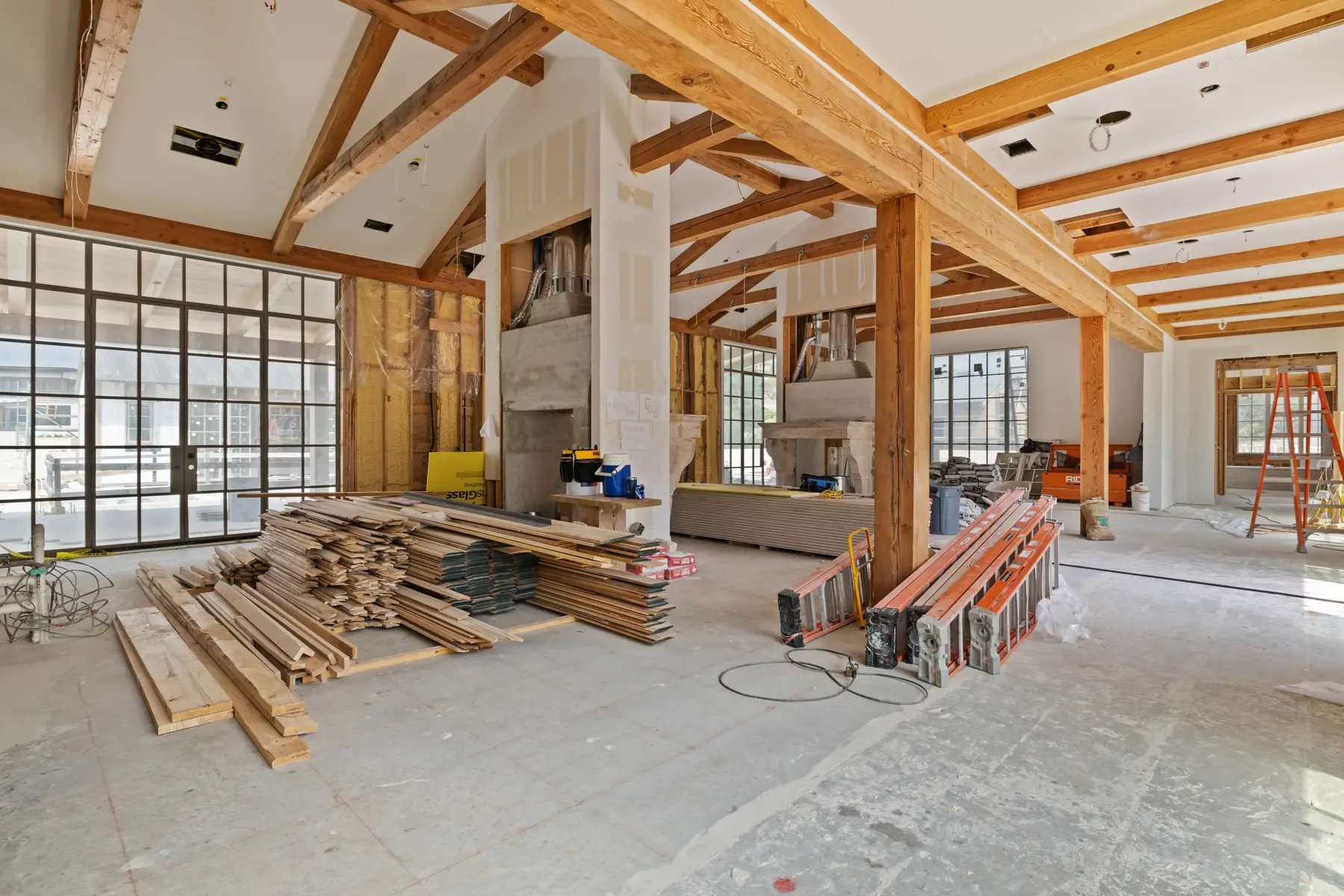
Leander new construction
New Construction Homes in Leander, TX
New construction homes in Leander, TX span production builders in master-planned communities.
Current property search
New Construction in Leander.
Current Leander listings matched to this page, with filters ready for further refinement.
Loading current listings
Page 1

Listings courtesy of Unlock MLS as distributed by MLS GRID.
Participant brokerage: All City Real Estate Ltd. Co.
Some IDX listings have been excluded from this website.
All data is obtained from various sources and may not have been verified by broker or MLS GRID. Supplied Open House Information is subject to change without notice. All information should be independently reviewed and verified for accuracy. Properties may or may not be listed by the office/agent presenting the information.
The information provided is exclusively for consumers' personal, noncommercial use and may not be used for any purpose other than to identify prospective properties consumers may be interested in purchasing. Data is deemed reliable but is not guaranteed by MLS GRID.
Use of MLS GRID data may be subject to an end user license agreement prescribed by the applicable MLS, if any, as amended from time to time.
Any use or search of data on this website, other than by a consumer looking to purchase real estate, is prohibited. Report accuracy concerns to michaelrmoody@gmail.com or 512-496-0317.
New Construction Homes in Leander, TX: The Landscape
Leander is one of the fastest-growing cities in the Austin metro, and new construction is a big part of why. The city's master-planned communities offer new builds across a wide range, from attainable production homes to resort-amenity neighborhoods. Communities that buyers commonly tour include Travisso, Crystal Falls, Bryson, Palmera Ridge, Mason Hills, Caballo Ranch, Deerbrooke, and Larkspur, among others, each with its own builder lineup, lot styles, and amenity package.
Rather than endorse any single builder, the practical move is to compare. Production builders differ in floor plans, standard features versus upgrades, warranty terms, and how they price lots. The broader Leander, TX real estate market gives you resale homes to weigh against new builds, and the area's MetroRail access gives some new communities a commute differentiator.
Michael Moody is a Georgetown, TX REALTOR and Broker Associate with All City Real Estate, helping buyers compare homes, neighborhoods, taxes, schools, new construction, and resale across Georgetown, Liberty Hill, Leander, and Williamson County. With new construction, that comparison is the whole job.
MUD and PID: The Tax Detail Buyers Underestimate
The single most overlooked part of buying new construction in Leander is the special-district tax structure. Many newer communities sit inside a MUD, a PID, or both, on top of city, county, and school taxes.
- A MUD (Municipal Utility District) finances water, sewer, drainage, and roads in developing areas through bonds repaid by an ad valorem property tax set by the MUD board, on top of your other taxes. MUD rates are often higher in a community's early years and can decline as bonds are paid down. Texas law requires sellers to give buyers a MUD notice before contract.
- A PID (Public Improvement District) funds improvements through a special assessment — usually a fixed amount over roughly 20 to 30 years that ends when paid off and can often be paid early. Since September 2021, sellers must provide a PID notice to buyers.
The takeaway: your true cost of ownership is property tax plus any MUD or PID plus HOA dues. Total all of them before you compare communities. Specific MUD and PID figures vary by community and change over time, so get the current numbers in writing for the exact home and verify with the county and a tax professional. Williamson County's PID overview is at wilcotx.gov.
Incentives: Real, but Verify Everything in Writing
Builders frequently offer incentives — rate buydowns, closing-cost contributions, design-center credits, or price adjustments — and these can shift monthly with the market and a builder's standing inventory. They are real savings when they apply to you, but the offer you hear in the model home is not binding until it is in your contract.
Never assume an incentive carries over to your lot, plan, or financing. Confirm the exact terms, deadlines, and whether they require using the builder's preferred lender. Current incentives change frequently, so verify each one in writing before you rely on it.
Inspections and Lot Selection
Two areas where buyers leave value on the table:
Independent inspections. A new home is not automatically a flawless home. Order your own third-party inspections — typically at framing (pre-drywall) and again before closing — so issues are documented and addressed while the builder is still responsible. Do not skip this because the home is new.
Lot selection. The lot is the one thing you cannot upgrade later. Consider drainage and grade, orientation and sun, privacy and what backs the property, proximity to amenities versus traffic, and any premium the builder charges. A strong floor plan on a weak lot is harder to resell than the reverse.
Bring Your Own Agent — Before You Walk In
Here is the rule that protects you most: have your own agent involved from your first visit to a model home. The friendly representative in the sales office works for the builder, not for you. Having Michael represent you generally costs you nothing extra and gives you an advocate on price, incentives, contract terms, inspections, and lot selection.
The catch is timing. Builders often require that your agent accompany or register you on the first visit for representation to apply. If you tour alone and sign in, you may lose the ability to bring an agent in later. So loop Michael in before you start touring, not after.
Resale: Build With the Next Buyer in Mind
You will sell this home someday, and decisions you make now affect that. Heavy personalization, an awkward lot, or paying full price for upgrades that do not hold value can all weigh on resale. So can buying into a community at the early, higher MUD-rate stage without understanding the tax picture.
The resale-smart approach: choose a lot and plan with broad appeal, total your true carrying cost including special districts, and keep documentation of inspections and warranties. New construction can resell well, but it is not automatic. The same fundamentals that drive value in Leander resale homes — location, school zoning, condition, and cost of ownership — apply to your new build too.
What to Verify Before You Sign — Checklist
Run through this before signing any new-construction contract in Leander:
- Tax structure — confirm city, county, school, and any MUD or PID rate or assessment for the exact lot, and total them with HOA dues.
- MUD / PID notices — make sure you received and reviewed the required disclosures before contract.
- Incentives in writing — verify rate buydowns, closing-cost help, and credits in the contract, including deadlines and lender conditions.
- Independent inspections — schedule your own pre-drywall and final inspections; do not rely solely on the builder.
- Lot specifics — check drainage, grade, orientation, privacy, traffic, and any lot premium.
- Standard vs. upgrade pricing — clarify what the base price includes and what costs extra.
- Warranty terms — understand structural, systems, and workmanship coverage and how to make claims.
- Agent representation — register Michael as your agent on your first visit.
- School zoning — verify the assigned campus by address with the school district directly.
- Timeline and financing — confirm the build schedule and how rate locks work if completion slips.
Verify taxes with the county and a tax professional, and school zoning with the district. Treat any figure that can change — rates, incentives, prices — as something to confirm in writing.
Your local agent
Georgetown-rooted. Williamson County focused.
Michael Moody is a Broker Associate with All City Real Estate, helping clients compare Georgetown first, then the nearby communities when the search or sale plan expands.

Primary market
Georgetown, TX

Brokerage
All City Real Estate

Phone

FAQ
Direct Answers.
A quick pass through the questions that tend to matter before a search, sale, or area decision.
You are not required to, but it strongly protects you. The sales office represents the builder, while your own agent advocates for you on price, incentives, contract terms, inspections, and lot selection — usually at no extra cost. The key is timing: builders often require your agent to register you on your first visit, so involve Michael before you tour, not after.
A MUD is a utility district that levies a property tax to fund water, sewer, and roads in developing areas, often higher in early years. A PID funds improvements through a fixed special assessment over roughly 20 to 30 years. Both add to your city, county, and school taxes. Get the exact figures in writing and verify with the county and a tax professional.
They can be — rate buydowns, closing-cost help, and design credits are real savings when they apply to your purchase. But incentives change frequently and are not binding until they are in your contract, and some require the builder's lender. Confirm every term, deadline, and condition in writing before you count on it.
Yes. New does not guarantee flawless. Order independent third-party inspections, typically at the pre-drywall framing stage and again before closing, so any issues are documented and corrected while the builder is still responsible. Relying only on the builder's internal checks leaves you without an independent record of the home's condition.
It can, but it is not automatic. Resale depends on lot quality, floor-plan appeal, school zoning, condition, and your true cost of ownership including MUD, PID, and HOA. Avoid over-personalizing, choose a broadly appealing lot, and understand the tax picture. Verify zoning by address and current market conditions before assuming a specific outcome.
Talk with Michael
Talk Through the Next Move.
Share the search, sale, property, timeline, or city comparison on your mind. Michael can help turn it into a clearer next step.