From the Hill Country edges of Liberty Hill to the wide-open affordability of Jarrell and Florence, here’s where to find room to breathe within reach of Georgetown.
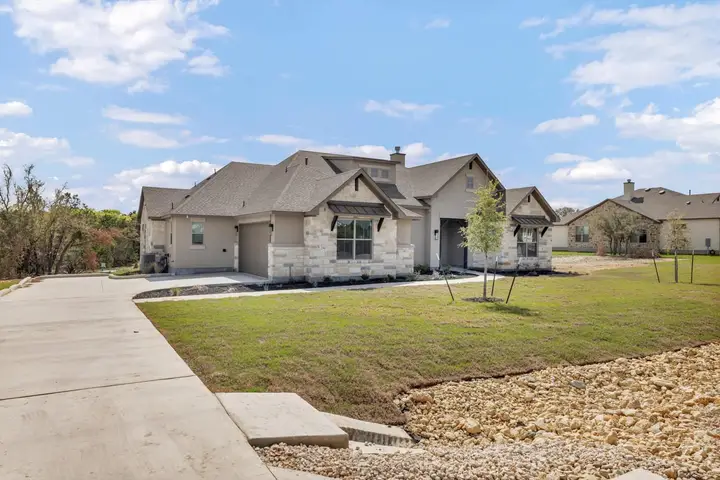
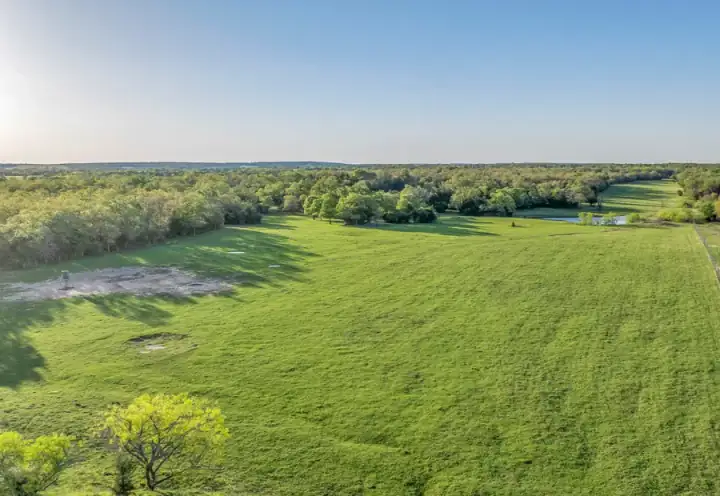
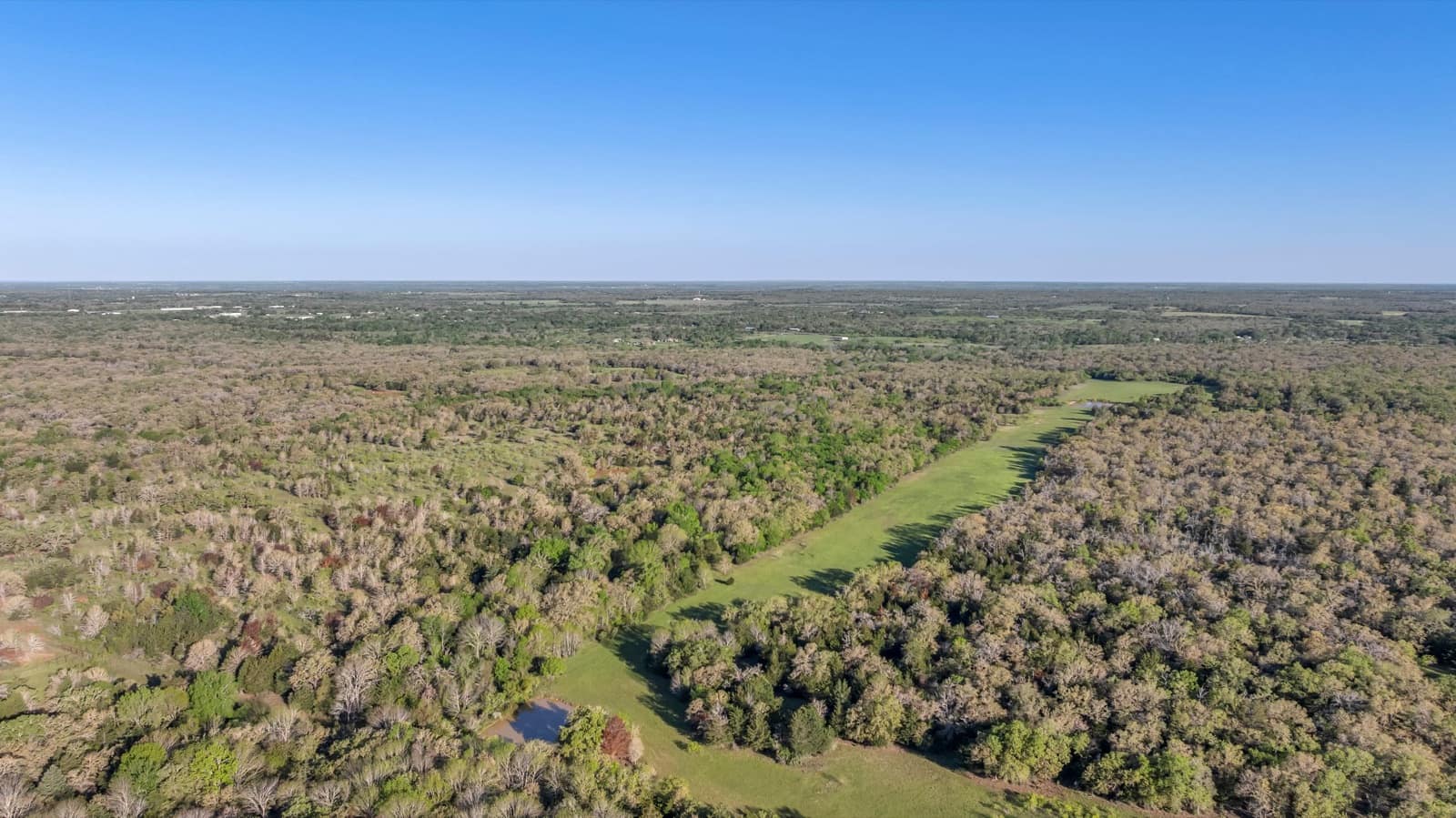
There’s a particular kind of Central Texas buyer who tours a tightly packed master-planned community, admires the pool and the trails, and then quietly asks: “Is there anything with a little more land?” If that’s you, good news—you’re shopping in one of the best regions in the state for it. Just beyond Georgetown’s growing edges, the suburbs give way to rolling Hill Country, open ranch land, and homesteads measured in acres rather than square feet. You can have a barn, a few horses, a workshop, a garden, and a night sky with actual stars, all within a reasonable drive of Georgetown’s historic Square and the I-35 corridor.
But acreage living is a genuinely different purchase than buying a production home in a subdivision. The land is the asset, utilities work differently, and the rules of the game—from ag exemptions to septic systems—are ones suburban buyers rarely encounter. Here’s where to look around Georgetown, and what to expect when you get there.
Liberty Hill: Hill Country Land with Room to Grow
About 12 miles west of Georgetown along Highway 29, Liberty Hill is the most popular acreage destination for buyers who still want strong schools and quick access to town. It has exploded in growth—from roughly 3,680 residents in 2020 to an estimated 15,000-plus by 2026—yet it has held onto its small-town, Hill Country character, with land-rich pockets sprinkled between newer subdivisions.
Acreage-oriented communities here include Clearwater Ranch and Northgate Ranch, where homesites are measured in acres rather than lots, alongside the more amenity-driven master-planned options. A major draw is the school district: Liberty Hill ISD carries an “A” rating from the Texas Education Agency, which you can verify through txschools.gov. For buyers who want land and top schools, Liberty Hill is usually the first stop.
Northwest Georgetown and the Florence Corridor
You don’t always have to leave the Georgetown area to find acreage. The northwest side of Georgetown, out toward Lake Georgetown and beyond, transitions quickly from subdivisions into larger lots and rural homesites with hill-country views. Push a little farther north and west and you reach Florence, a small Williamson County town that remains genuinely rural and notably more affordable than the Liberty Hill or Leander corridors. Florence offers some of the best value-per-acre within an easy drive of Georgetown, trading proximity and amenities for space and quiet.
Jarrell: Affordable Acreage Up I-35
Roughly 15 miles north of Georgetown on I-35, Jarrell has become one of the most affordable corners of the entire Austin metro—and that affordability extends to land. With a median sold price among the lowest in the region (in the mid-$200,000s for homes early in 2025) and a fast-growing community, Jarrell appeals to buyers who want acreage without Hill Country prices. The trade-offs are real: a longer commute, fewer amenities, and more highway-and-feeder living. But for sheer dollars-per-acre, Jarrell is hard to beat.
The Bertram, Burnet, and Western Edge
Head west past Liberty Hill on Highway 29 and you cross into the more rugged, scenic terrain near Bertram and Burnet, on the Burnet County edge of the region. This is true Hill Country—bigger ranch tracts, dramatic topography, and a genuinely rural pace of life. It’s farther from Georgetown’s conveniences, so it suits buyers prioritizing land, views, and privacy over a short commute. Bertram and Burnet are where you go when you want the ranch feel for real.
What to Expect: Wells, Septic, and Utilities
Here’s where acreage diverges sharply from subdivision living. Out on rural land, you often won’t have city utilities, which means:
- Water: Many acreage properties rely on a private well or a rural water-supply corporation rather than a municipal connection. If there’s a well, have it inspected and tested; if there isn’t, find out the cost and feasibility of drilling one.
- Wastewater: Instead of city sewer, rural homes use an on-site septic system (OSSF). These require periodic maintenance and have rules administered locally—Williamson County handles septic permitting and inspections in much of the area.
- Electric and internet: Service is often provided by rural cooperatives, and high-speed internet availability can vary significantly from one road to the next—verify it before you buy if you work from home.
None of these are dealbreakers, but they change your inspection checklist and your budget. Build well, septic, and connectivity due diligence into every acreage offer.
The Ag Exemption: A Major Tax Advantage
One of the biggest financial perks of rural land in Texas is the agricultural valuation—commonly called the “ag exemption.” Land used for a qualifying agricultural purpose (grazing, hay production, beekeeping, and other approved uses) can be appraised based on its agricultural productivity value rather than its full market value, which can dramatically lower the property tax on the land portion.
It’s not automatic and it’s not truly an “exemption”—it’s a special appraisal you have to qualify for and apply for through the Williamson Central Appraisal District. Rules govern the type and intensity of use, and changing the land’s use later can trigger a rollback tax. If a property you’re considering already carries ag valuation, confirm what’s required to maintain it. If it doesn’t, ask WCAD what it would take to qualify. For buyers with real acreage, the savings can be substantial.
The Price Feel
Acreage pricing is far less uniform than subdivision pricing, because you’re paying for land, location, improvements, and water access all at once. As a rough feel: Jarrell and Florence tend to offer the most affordable entry; Liberty Hill commands a premium for its schools and proximity; and the Bertram/Burnet edge spans from value tracts to high-end Hill Country ranches. Two properties with the same house can differ wildly in price based on acreage, road frontage, well quality, and whether the land carries ag valuation. Work with an agent who specializes in rural and acreage transactions—they read these listings very differently than a subdivision specialist.
Who Acreage Living Suits
Acreage homes suit buyers who want space, privacy, and room for animals, gardens, workshops, or simply elbow room—and who are comfortable trading some convenience and taking on the responsibilities of wells, septic systems, and land stewardship. They suit homesteaders, hobby ranchers, remote workers craving quiet, and families who want their kids to grow up with land. They suit you less if you want walkable amenities, a short commute, and city utilities with no maintenance to think about.
The Bottom Line
If you want room to breathe within reach of Georgetown, the options are excellent and varied: Liberty Hill for land plus top schools, Jarrell and Florence for affordability, the northwest Georgetown fringe for a middle ground, and the Bertram/Burnet edge for true Hill Country ranches. Just remember that buying land is a different discipline than buying a subdivision home—budget and inspect for wells and septic, understand the ag-valuation opportunity, and lean on a rural-savvy agent. Get those pieces right, and you’ll find the stars are a lot brighter just a few miles past the city limits.
Market figures cited are approximate and current as of mid-2026; verify current data before making real estate decisions.