A few acres of Hill Country is a powerful dream—and a more complicated purchase than a finished house in a subdivision. Here’s the practical due-diligence checklist every Liberty Hill land buyer needs.
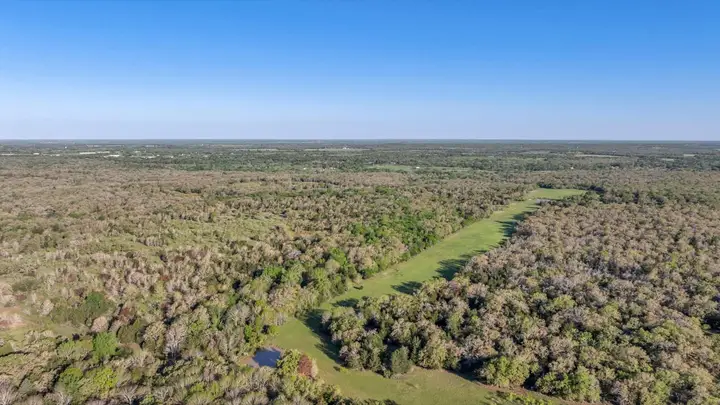
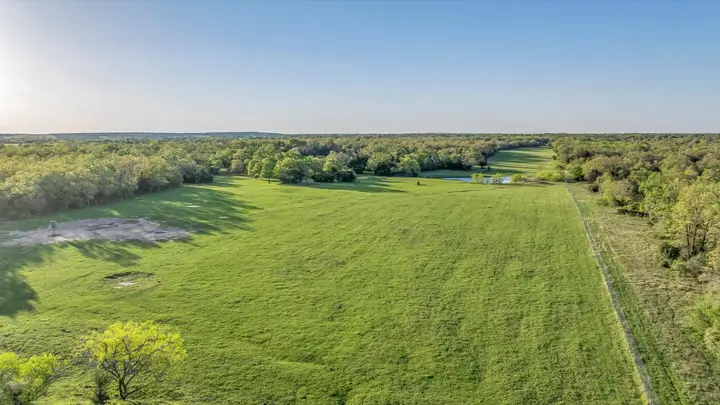
There’s a particular kind of buyer who drives out to Liberty Hill and feels something settle in their chest at the sight of open land—oaks scattered across rolling pasture, a fence line stretching toward a ridge, and not a neighbor in sight. It’s one of the last places in the Austin metro where a few acres of genuine Hill Country is still within reach. But buying raw or improved land is a different animal than buying a move-in-ready home, and the dream curdles fast for buyers who skip the homework.
Here’s what to investigate before you sign on a piece of Liberty Hill acreage—the practical, sometimes unglamorous details that separate a great purchase from an expensive lesson.
Water and Waste: Wells and Septic
Out here, you usually can’t assume city utilities. Many acreage properties around Liberty Hill rely on a private well for water and an on-site septic system for waste, and both deserve serious scrutiny.
For the well, ask whether one already exists and get records of its depth, output (gallons per minute), and water quality. Drilling a new well is a real cost with no guaranteed result—yields and water quality vary across the Hill Country’s limestone. If a well is in place, pay for a flow test and a potability test.
For septic, on-site sewage facilities in Texas are permitted and regulated at the county level, and the right system depends on your soil and lot. Confirm whether an existing system is permitted and functional, and—if the land is undeveloped—whether the soil will even support a conventional system or will require a pricier aerobic one. The Williamson County offices and the Texas Commission on Environmental Quality are the authorities to consult on rules and permits.
Utilities and Connectivity
Beyond water and waste, confirm what else actually reaches the property. Is electricity already run to the site, or will you pay to extend service from the nearest line? Is there reliable internet—fiber, fixed wireless, or only satellite? Out on acreage, “the power’s right across the road” can still mean a five-figure bill to bring it onto your land. Get costs in writing from the relevant providers before you assume a homesite is ready to build on.
Road Access and Easements
Never take access for granted. Confirm the property has legal, deeded access to a public road—not just a dirt track that happens to cross a neighbor’s land. Landlocked parcels, or those reached only by an unrecorded path, can become legal and financial nightmares.
Where access runs across another property, you want a recorded easement spelling out the right to use it and who maintains it. Shared private roads, in particular, raise questions about upkeep costs and responsibilities. A title company and a good survey will surface these issues; make sure someone is actually looking.
Floodplain and Topography
Hill Country land is beautiful partly because of its dramatic terrain and its creeks—but water that’s scenic in spring can be dangerous in a flood. Check whether any part of the property sits in a FEMA-designated floodplain using the official FEMA Flood Map Service Center. Floodplain status affects where you can build, what it costs to insure, and sometimes whether you can build at all.
Topography matters beyond flooding, too. Steep slopes, rock close to the surface, and drainage patterns all influence buildable area and construction cost. A homesite that looks perfect can be expensive to actually build on once you account for grading, foundations, and access.
The Ag Exemption: A Big Deal for Carrying Costs
One of the most valuable—and misunderstood—features of Texas land is the agricultural valuation, commonly called the “ag exemption.” It isn’t truly an exemption; it’s a special method of appraising qualifying land based on its agricultural use rather than market value, which can dramatically lower the property taxes on a tract. In a no-income-tax state where property taxes run high, that difference is substantial.
But the rules are specific. The land generally must have a qualifying agricultural history and ongoing use, and if you change the use, you can trigger a rollback tax recapturing several years of the savings plus interest. If a property currently carries an ag valuation, confirm with the Williamson Central Appraisal District exactly what’s required to maintain it—and never assume it transfers automatically or applies to the whole parcel.
Deed Restrictions and What You Can Actually Do
“Acreage” doesn’t always mean “do whatever you want.” Many Liberty Hill-area ranch communities—such as the acreage developments scattered across the area—are governed by deed restrictions that can limit livestock, additional structures, mobile homes, short-term rentals, commercial use, or minimum home sizes. These protect property values but can also block your specific plans.
Read the recorded restrictions in full before you buy, and confirm zoning or extraterritorial-jurisdiction rules that may apply. The dream of a workshop, a barn, or a guest cabin can run headlong into a restriction you didn’t know existed.
Financing Land Is Different
Don’t expect a standard mortgage. Raw and unimproved land typically requires a specialized land loan, often with a larger down payment, a shorter term, and a higher interest rate than a conventional home loan—because lenders see undeveloped land as higher risk. Local lenders, farm-credit institutions, and the seller (via owner financing) are common routes. Line up your financing strategy early, since it shapes what you can realistically afford.
Get a Survey—Always
Finally, the single best money you’ll spend: a current, professional boundary survey. It confirms exactly what you’re buying, locates the corners, and reveals encroachments, easements, fence-line discrepancies, and access issues that a casual walk-through never will. On acreage, the lines on the listing are not the lines on the ground—a survey makes them match. Pair it with a thorough title search so nothing is hiding in the property’s history.
The Bottom Line
A few acres outside Liberty Hill can be one of the most rewarding purchases in Central Texas real estate—but only if you buy with your eyes open. Verify water and septic, nail down legal road access and utilities, check the floodplain, understand the ag valuation and any deed restrictions, plan for land-specific financing, and never skip the survey. Land doesn’t forgive shortcuts the way a finished house does. Do the due diligence, lean on professionals who know Williamson County land, and that open Hill Country horizon can be yours for good.
Market figures cited are approximate and current as of mid-2026; verify current data before making real estate decisions.