Once a quiet ranching crossroads on Highway 29, Liberty Hill has become one of Central Texas’s fastest-rising towns. Here’s what a buyer needs to understand before trading the suburbs for the edge of the Hill Country.
There’s a moment, somewhere west of Georgetown on State Highway 29, when the strip centers thin out, the live oaks crowd the fence lines, and the land begins to roll the way Texans imagine it should. That’s roughly where you arrive in Liberty Hill—a town that, until very recently, most Austin newcomers had never heard of. Today it’s one of the most talked-about ZIP codes in the metro, and for good reason. People aren’t just buying houses out here. They’re buying a slightly slower, slightly bigger version of the Central Texas dream.
If you’re weighing a move, it pays to understand what you’re actually getting—the growth, the schools, the commute, the land, and the kind of life Liberty Hill rewards. Here’s the honest picture.
A Small Town Growing at Warp Speed
Numbers tell the story better than adjectives. At the 2020 Census, the City of Liberty Hill counted roughly 3,680 residents. By 2025 that figure had climbed to nearly 14,850, with estimates pushing past 15,000 in 2026—growth north of 300 percent in just a handful of years. That ranks Liberty Hill among the fastest-growing communities in a metro full of fast-growing communities.
What’s pulling people here is the same arithmetic driving all of Williamson County: Austin got expensive, Georgetown filled in, and buyers started looking one exit farther out for newer homes, more square footage, and a little breathing room. Liberty Hill sits right at that frontier. The town still feels rural—there’s a genuine downtown, a beloved public sculpture garden, and ranchland in every direction—but the subdivisions arriving along Highway 29 are unmistakably part of the metro’s northwest march.
For a buyer, rapid growth cuts both ways. New rooftops mean new retail, new schools, and steadily improving infrastructure. They also mean construction traffic, road projects, and a town still building out the amenities larger suburbs already have. A good Liberty Hill realtor will help you read which corners of town are ahead of that curve and which are still catching up.
Where Liberty Hill Sits—and Why Location Matters
Geography is Liberty Hill’s whole pitch. The town sits about 12 miles west of Georgetown along Highway 29 and roughly 35 to 40 miles northwest of downtown Austin. That puts it close enough to plug into the metro’s jobs and amenities, but far enough out to keep land prices—and lot sizes—friendlier than what you’ll find closer in.
Compared with Georgetown, Liberty Hill trades the historic courthouse square and big-city services for more open space and a lower entry price. Compared with Austin proper, it offers newer construction and dramatically more house per dollar, at the cost of a longer drive. Many buyers split the difference: they work in north Austin, Cedar Park, or Round Rock, and they sleep in the Hill Country.
The practical commute runs along Highway 29 east to I-35 or south toward the 183A toll road, which carries traffic efficiently down through Leander and Cedar Park toward Austin. Depending on your destination and the hour, expect anywhere from 35 minutes to north Austin’s tech corridor to an hour-plus into downtown during rush. It’s a real commute—not a deal-breaker for many, but worth driving yourself, at the actual time you’d travel, before you sign anything.
The School District That Sells Houses
For families, Liberty Hill’s center of gravity is its schools. Liberty Hill ISD carries an “A” rating from the Texas Education Agency, and you can verify current campus ratings yourself at txschools.gov. That single letter does a lot of work in this market; an A-rated, fast-improving district is one of the main reasons buyers choose Liberty Hill over cheaper towns farther north.
The district is also growing as fast as the town around it. Enrollment that sat near 4,500 five years ago has roughly doubled to around 9,000, with projections approaching 18,000 students by 2030. The upside is obvious—new campuses, modern facilities, room to invest. The thing to watch is boundary shifts: in a district adding schools this quickly, attendance zones can change, so always confirm the exact campus assignment for a specific address rather than trusting a listing’s claim.
One regional wrinkle worth knowing: because district lines don’t follow city limits, some homes with a Georgetown or Leander mailing address actually fall inside Liberty Hill ISD, and vice versa. School zoning here is an address-by-address question, never a city-by-city one. If schools are central to your decision—and for most buyers in this corner of Williamson County, they are—make confirming the exact campus assignment one of your first steps, before you get emotionally attached to a particular house.
It’s also worth understanding why the district matters so much to the local market. A fast-growing, A-rated district tends to support home values over time, because demand from incoming families stays strong even when the broader market cools. That’s part of the reason Liberty Hill has held its appeal through a metro-wide shift toward more balanced, buyer-friendlier conditions: the school story keeps the buyer pool deep.
Life on the Edge of the Hill Country
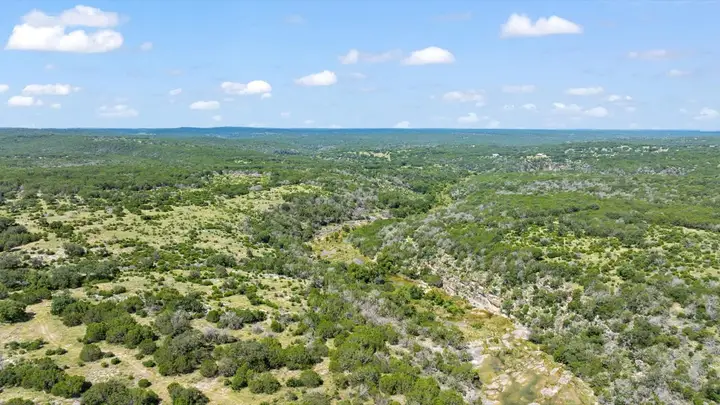
Beyond the spreadsheet, the reason people fall for Liberty Hill is the setting. This is the start of true Hill Country—rolling terrain, oak and cedar, big skies, and the kind of quiet that’s getting harder to find in the metro. Downtown anchors the town’s identity, including the International Sculpture Park, a free outdoor gallery of large-scale works that gives Liberty Hill a cultural footprint most towns its former size never had.
The lifestyle skews outdoors and family-first. Newer master-planned communities like the award-winning Santa Rita Ranch lean hard into amenities—resort-style pools, splash pads, miles of trails, and a steady calendar of community events—while the more rural pockets of town offer something different: elbow room, livestock-friendly lots, and dark night skies. Part of deciding to move here is deciding which of those two Liberty Hills you actually want.
The broader Hill Country is a big part of the draw, too. Liberty Hill sits within easy reach of the region’s rivers, swimming holes, state parks, and wineries, and the drive to Austin’s amenities is short enough that you’re never truly cut off from a concert, an airport, or a major-league game. For many transplants the appeal is exactly this balance: rural enough to keep chickens and watch the stars, connected enough to keep a city job and a city social life. That’s a harder combination to find than it sounds, and it’s why so many buyers who tour Liberty Hill end up staying.
Land, Space, and Prices
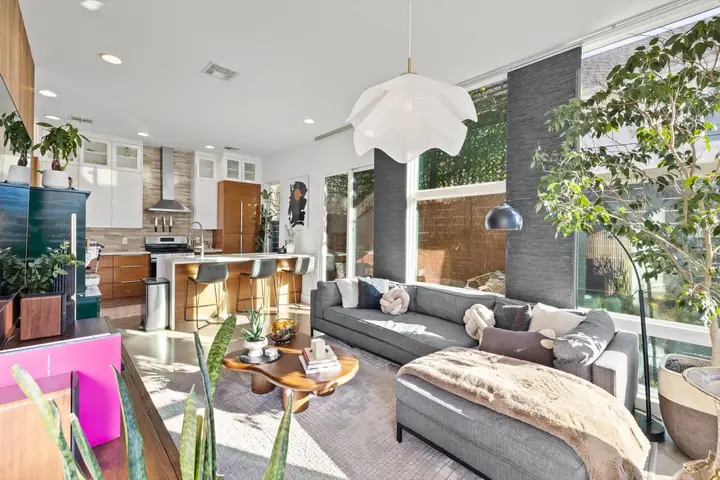
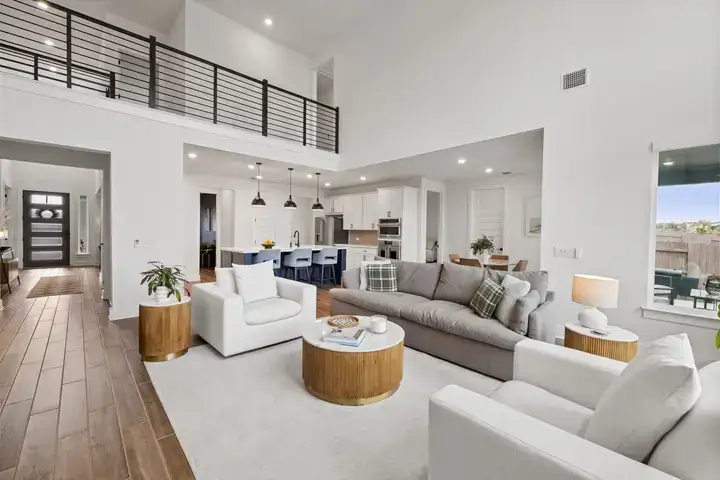
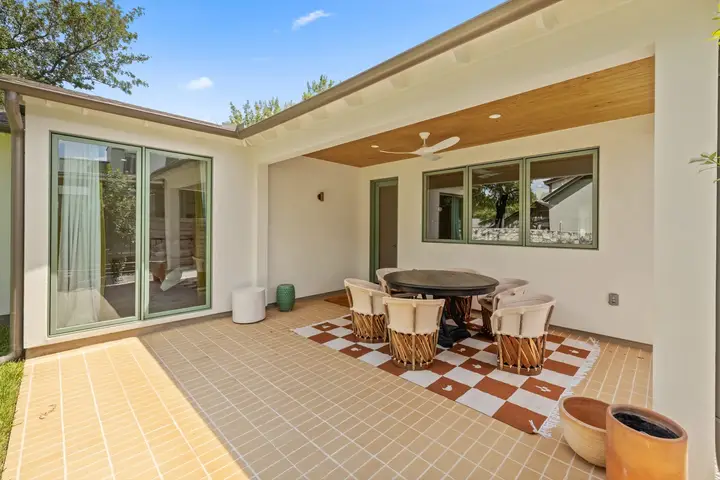
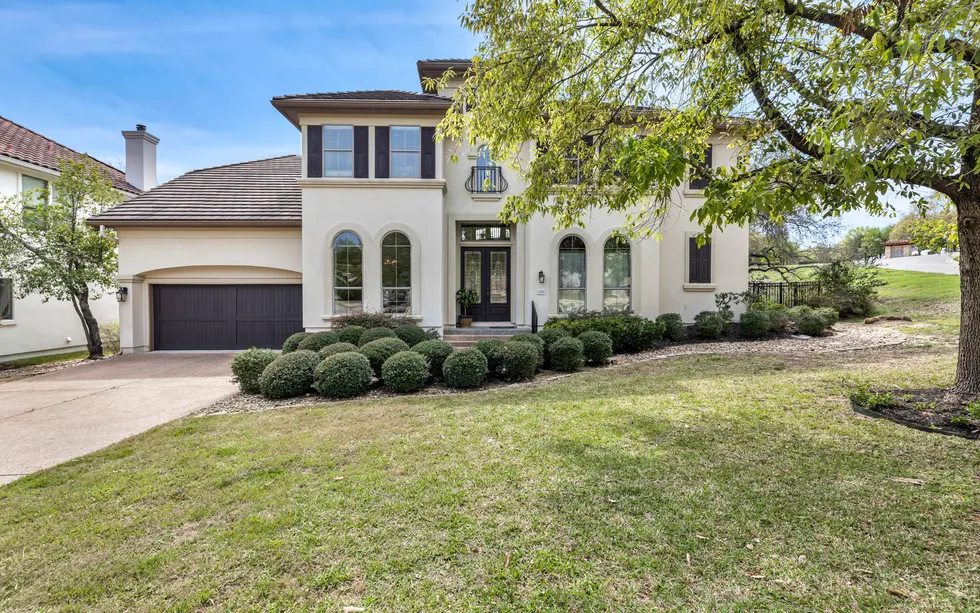
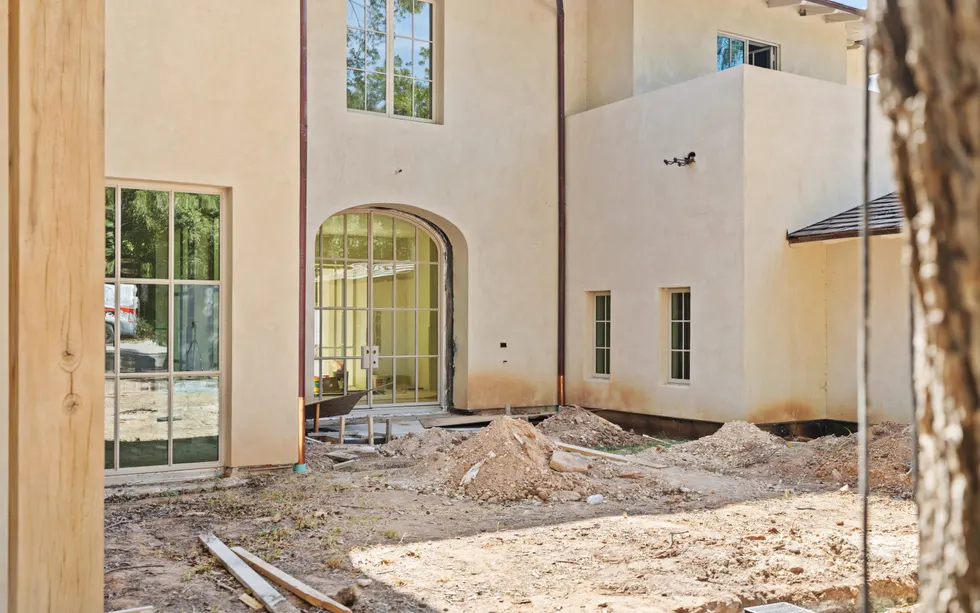
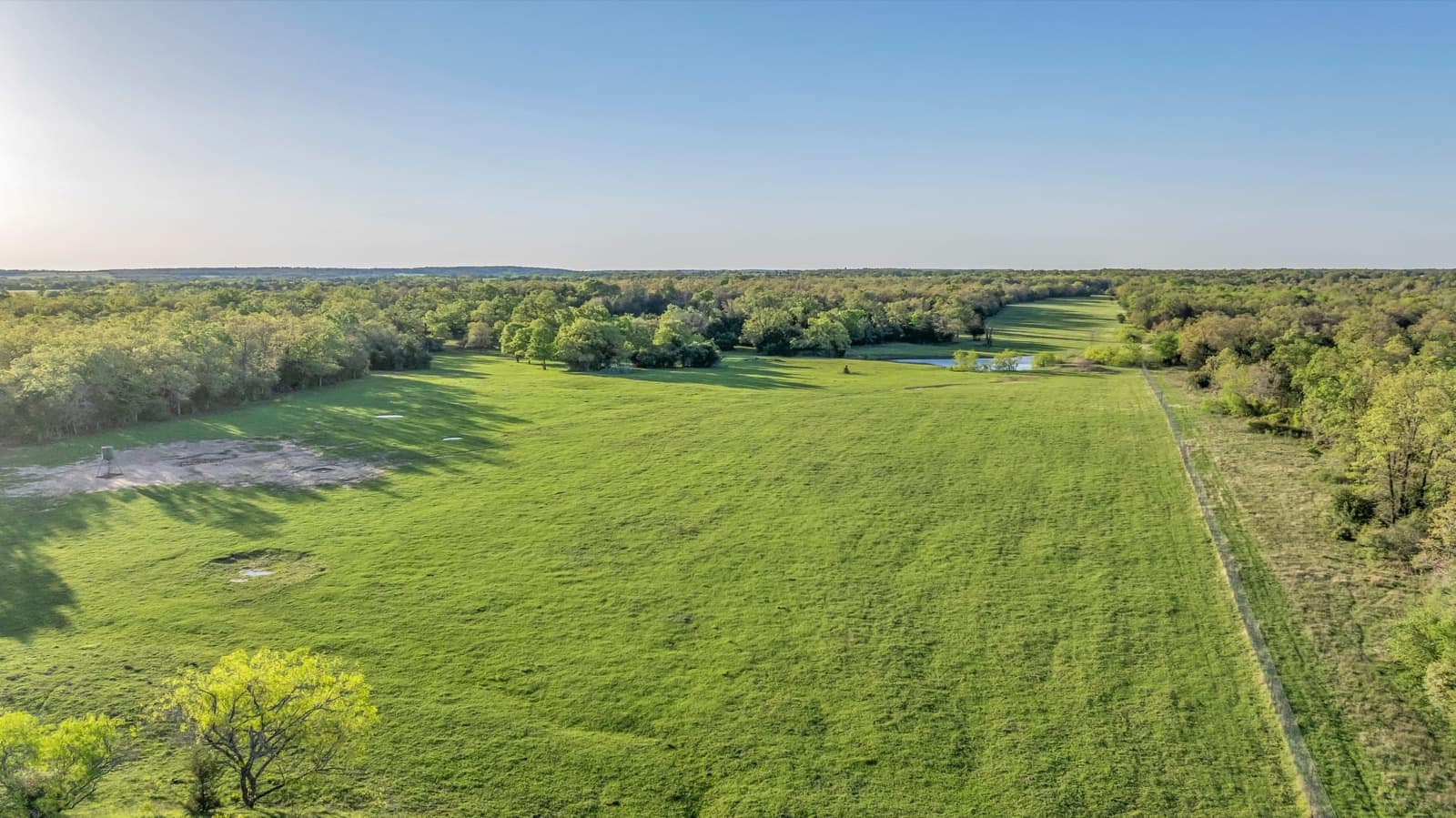
The headline that draws buyers out this way is space. Liberty Hill offers a genuine spectrum: production-built homes on standard subdivision lots, larger homesites within master-planned communities, and true acreage tracts for buyers who want chickens, horses, or just distance from the neighbors. Few places in the metro offer that full range in one town.
On price, Liberty Hill remains relatively attainable. The median home price sat around $356,000 in 2025—notably gentler than neighboring Leander, where the broader area median ran closer to the high $400,000s. For buyers chasing newer construction and an A-rated district without a Leander or Georgetown price tag, that gap is the whole appeal. (For current numbers, cross-check sources like Redfin and Zillow, which update monthly.)
Two cost caveats matter here. First, many newer communities carry MUD or PID assessments that fund the water, roads, and amenities in developing areas—charges that sit on top of standard property taxes and can meaningfully raise your monthly payment. Second, Texas has no state income tax, which means property tax rates run higher than the national average. Always total the full tax-and-assessment picture for a specific home, not just the list price.
Who Liberty Hill Suits
Liberty Hill is a strong fit for families prioritizing an A-rated district and newer homes, for buyers who want land or a larger lot without leaving the metro entirely, and for anyone willing to trade a longer commute for more house and more sky. It’s a tougher fit for buyers who need walkable urban amenities, a rail option, or a short downtown-Austin commute every day—those folks are usually happier closer in.
The Bottom Line
Liberty Hill is what a lot of Central Texas buyers are actually looking for: a newer home, an A-rated school district, real Hill Country scenery, and a price that hasn’t yet caught up to its more famous neighbors. The trade-offs are honest ones—a longer drive and a town still building out its conveniences. If those terms suit your life, few corners of Williamson County offer more upside per dollar right now. Walk the neighborhoods, drive the commute, and verify the details for each home, and Liberty Hill makes a compelling case.
Market figures cited are approximate and current as of mid-2026; verify current data before making real estate decisions.