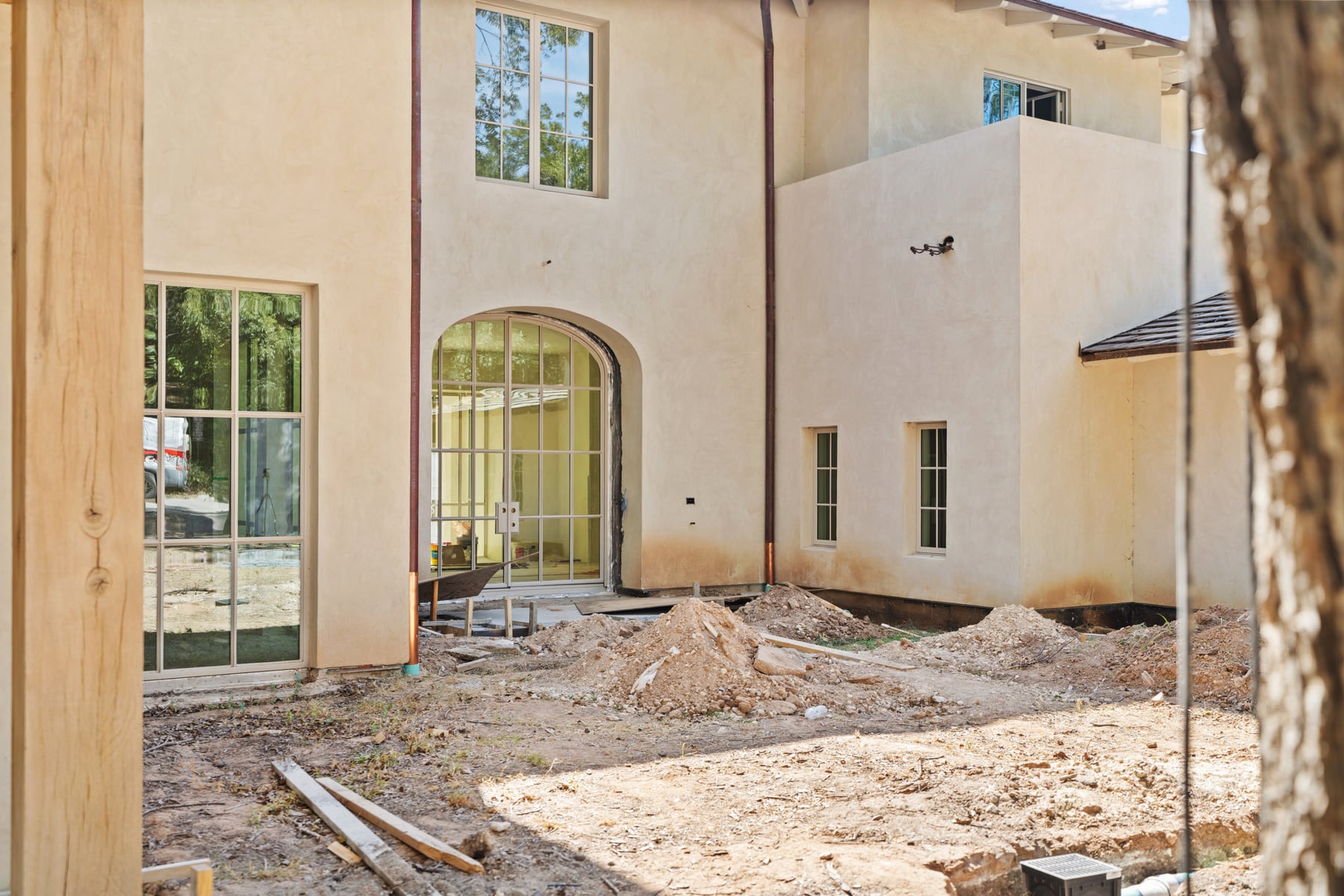
Liberty Hill has become one of Central Texas’s busiest new-build markets. Before you walk into a shiny model home, here’s how to buy smart—taxes, incentives, timelines, and the one decision most buyers get wrong.
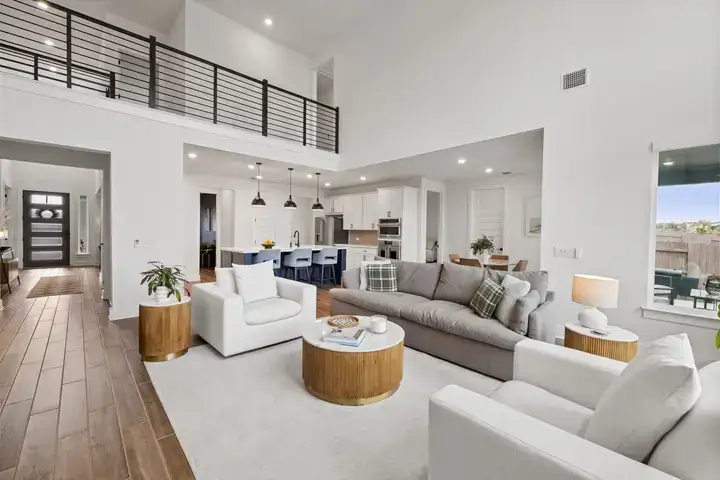
The model home is doing its job. The kitchen island gleams, the air smells faintly of fresh paint, and a friendly sales rep is already talking about move-in timelines. It’s easy to see why so many buyers fall for new construction in Liberty Hill—and why this town has become one of the most active new-build markets in the entire Austin metro.
But buying a brand-new home is a different game than buying a resale, and the rules favor the people who built it unless you know how to play. Here’s what a Liberty Hill buyer should understand before signing a builder contract.
Why Liberty Hill Is a New-Build Hotspot
The short version: there’s land, there’s demand, and there’s a great school district. As Austin and Georgetown filled in and prices climbed, builders pushed northwest along Highway 29 into Liberty Hill, where developable acreage was still relatively plentiful. The result is a town that grew more than 300 percent since 2020—from about 3,680 residents in 2020 to nearly 15,000 by 2026—and a landscape dotted with master-planned communities in various stages of build-out.
For buyers, that means real choice. New construction here spans entry-level production homes, amenity-rich master plans, and semi-custom homes on larger lots, much of it feeding into the “A”-rated Liberty Hill ISD. With a 2025 median home price around $356,000, the town offers newer homes at a gentler price than much of Williamson County.
Who’s Building Out Here
Liberty Hill’s communities draw a deep roster of regional and national builders. Flagship master-planned developments like Santa Rita Ranch host multiple builders side by side, while neighborhoods such as Orchard Ridge, Larkspur, Stonewall Ranch, and Butler Farms offer their own mix of production builders at varying price points. Because rosters and floor plans rotate as sections sell out, confirm exactly which builders are active in a community—and in which phase—rather than relying on older brochures.
A practical tip: tour several builders before committing. Construction quality, warranty terms, included features, and design-center pricing vary widely from one builder to the next, even within the same neighborhood.
The Tax Question Nobody Reads Closely Enough: MUD and PID
Here’s where new-build buyers most often get surprised. Many of Liberty Hill’s newer communities are funded in part through a MUD (Municipal Utility District) or a PID (Public Improvement District), and both add to your cost of ownership on top of standard property taxes.
A MUD is a political subdivision that finances water, sewer, drainage, and roads in a developing area through bonds repaid by an additional property tax set by the MUD’s board. MUD rates tend to run highest in a community’s early years and can decline over time as bonds are paid down and the tax base grows. Texas law requires sellers to give buyers a MUD notice before contract, disclosing the district and its rate.
A PID, by contrast, is created by a city or county and funds improvements through a special assessment—usually a fixed amount spread over roughly 20 to 30 years, which ends when paid off and can often be settled early. Since September 2021, sellers must provide a PID notice to buyers as well. Williamson County maintains a PID overview worth reviewing.
Why this matters: Texas has no state income tax, so property tax rates already run higher than the national average—a homeowner’s total rate stacks county, city, school district, and any special districts. Add a MUD or PID and your effective annual bill can land meaningfully higher than the base rate suggests. Before you fall for that model home, ask for the specific MUD or PID details and total the real monthly payment. The Williamson Central Appraisal District and the county tax office are good places to verify.
Incentives: Where the Real Savings Hide
Builders rarely cut the base price—doing so would undercut comparable sales in the community. Instead, they compete with incentives, and in a market with healthy inventory, those can be substantial: rate buydowns through the builder’s preferred lender, closing-cost credits, design-center allowances, or upgrades like appliances and blinds.
Two things to remember. First, the biggest incentives often require using the builder’s in-house lender and title company—so compare that financing against an outside lender to make sure the “deal” is actually a deal. Second, incentives change with the builder’s inventory and the calendar; quarter-end and year-end can be especially negotiable. Everything is more flexible than the price sheet implies.
Bring Your Own Agent—From Day One
This is the single most important move a new-construction buyer can make: register your own real estate agent on your very first visit. The friendly person at the model home works for the builder. They’re skilled and helpful, but their job is to represent the seller’s interest, not yours.
Your own Liberty Hill realtor costs you nothing in a typical builder transaction and can advocate for you on price, incentives, upgrade selections, contract terms, and inspections. The catch is timing: most builders require your agent to accompany or register you on the first visit, or they won’t recognize representation later. Walk in alone, and you may forfeit that advocacy entirely. Loop in your agent before you ever tour.
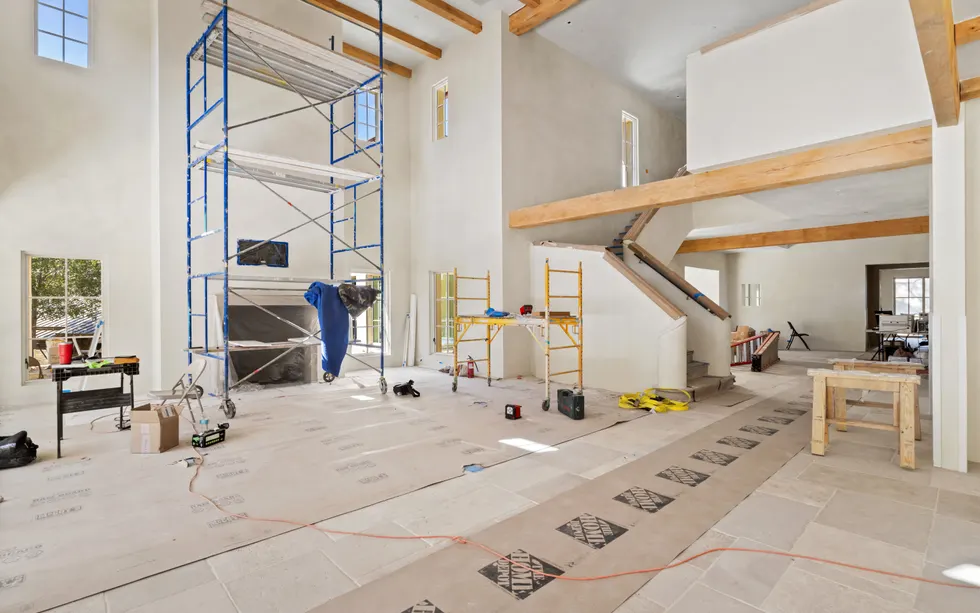
And yes—get an independent inspection even on a brand-new home. New construction has defects too, and you’ll want both a pre-drywall inspection (if the home is being built) and a final walkthrough inspection before closing.
Understanding the Timeline
New construction comes in two flavors. Inventory (spec) homes are already built or nearly finished—you can close in weeks, and what you see is what you get. Build-to-order homes let you choose lot, floor plan, and finishes, but expect several months from contract to keys, with timelines that can shift due to weather, supply, and permitting.
Build a buffer into your plans. If you’re selling a current home or your lease is ending, a slipped completion date can create an expensive gap. Get the builder’s timeline in writing and ask how delays are handled.
The Bottom Line
New construction is a big part of why buyers love Liberty Hill—fresh homes, a strong school district, and prices that still undercut much of the metro. Just go in clear-eyed: register your own agent on day one, dig into any MUD or PID assessment before you total your real monthly payment, shop the incentives (and the financing behind them), and pad your timeline. Handle those four things well, and that gleaming model home can become a genuinely smart purchase.
Market figures cited are approximate and current as of mid-2026; verify current data before making real estate decisions.