From shiny builder showrooms to established neighborhoods with mature live oaks, here’s how to decide which kind of home actually fits your life in fast-growing Williamson County.
Drive Highway 29 west out of Georgetown toward Liberty Hill on any given Saturday and you’ll pass a tale of two markets. On one side, flag-lined entrances to master-planned communities funnel buyers toward gleaming model homes, where a sales counselor offers a rate buydown and a free refrigerator. On the other, a “For Sale” sign sits in front of a ten-year-old house with a fenced backyard, a finished sprinkler system, and a fig tree that already throws shade. Both are good homes. They are not, however, the same purchase.
In the Central Texas real estate corridor that runs from Leander up through Liberty Hill and into Georgetown, new construction and resale compete head-to-head in a way they simply don’t in older, built-out cities. Williamson County is one of the fastest-growing counties in the nation, and builders have responded by carpeting the area with new subdivisions. That gives buyers a genuine choice—and a genuine decision to make. Here’s how the two stack up.
The Case for New Construction
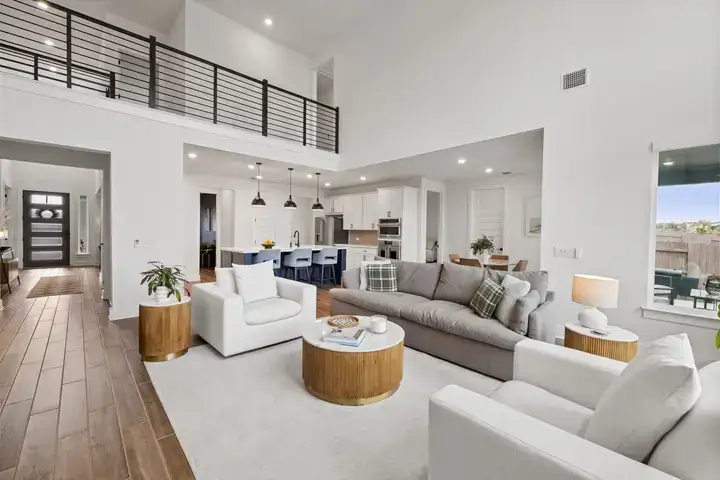
The appeal of a brand-new home is easy to feel the moment you walk through a model. Everything is current: open floor plans, energy-efficient windows and HVAC, smart-home wiring, and finishes chosen this decade rather than two decades ago. Nothing is worn out because nothing has been used. For many buyers, that “no one has lived here before” feeling is worth a premium all by itself.
Communities like Santa Rita Ranch in Liberty Hill, Wolf Ranch in Georgetown, and Bryson, Travisso, and Deerbrooke in the Leander area also sell a lifestyle, not just a house. Resort-style pools, splash pads, miles of trails, fitness centers, and event lawns come bundled into the neighborhood. If you want amenities your kids will actually use, the newest master-planned communities deliver them in abundance.
Builder Incentives and Pricing
Here’s the part many buyers don’t realize: in a more balanced market—the kind Central Texas has shifted toward, with longer days on market and rising inventory—builders compete hard with incentives rather than sticker-price cuts. Rate buydowns, closing-cost contributions, design-center credits, and free appliance packages are common, and they are often most generous on inventory (“spec”) homes the builder wants off the books before quarter’s end.
That changes how you negotiate. Builders are reluctant to slash the base price, because a lower recorded sale price hurts the comps for every other home they’re trying to sell in the same section. They will, however, throw real money at your interest rate or your closing table. The savviest new-construction buyers negotiate the financing package, not the headline number—and they almost always tour with their own Liberty Hill realtor or buyer’s agent, since the friendly person at the model home works for the builder.
Warranties and Timeline
New homes typically come with a builder warranty—commonly one year on workmanship, two years on major systems like plumbing and electrical, and up to ten years on the structure. That’s real peace of mind for a first-time or risk-averse buyer.
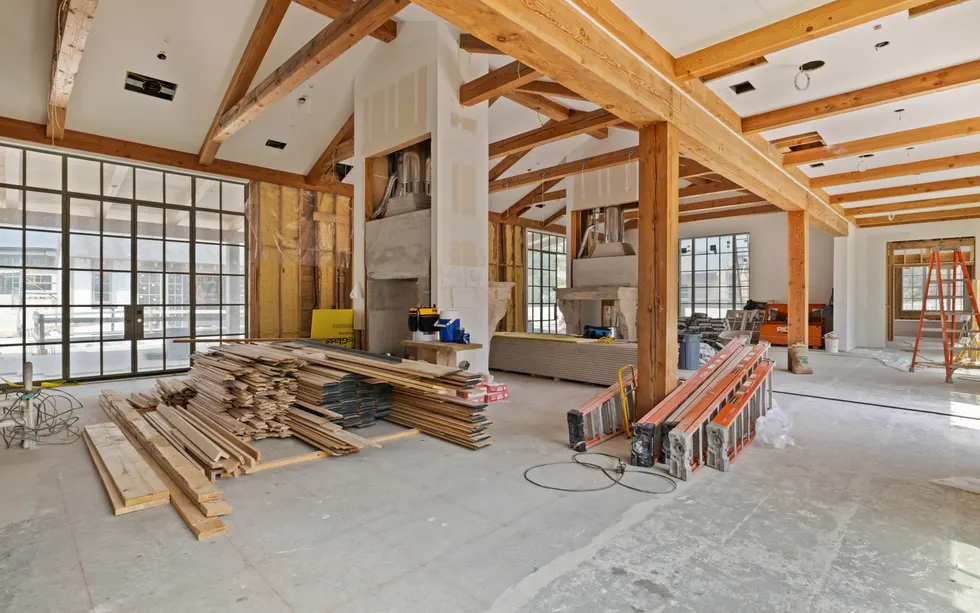
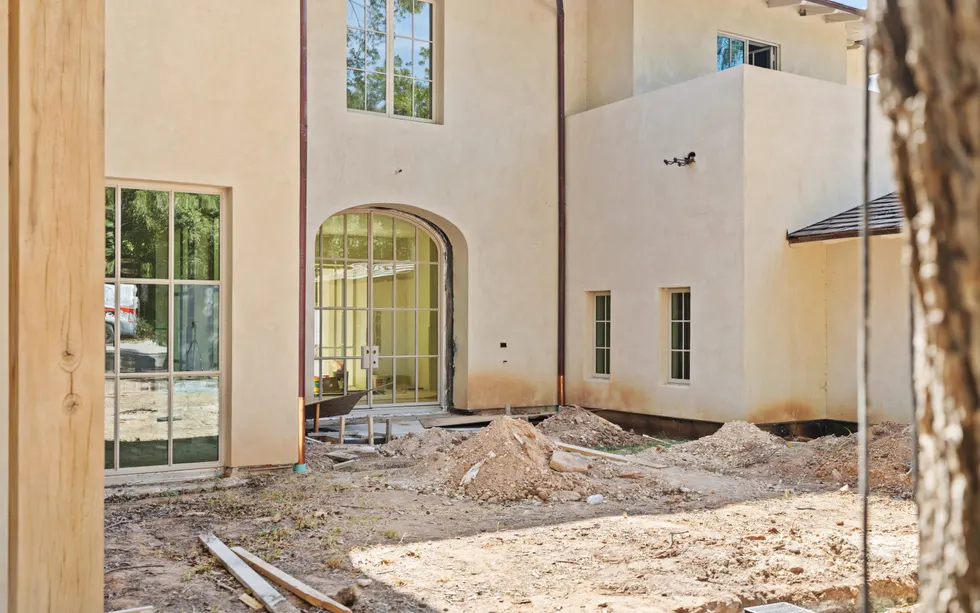
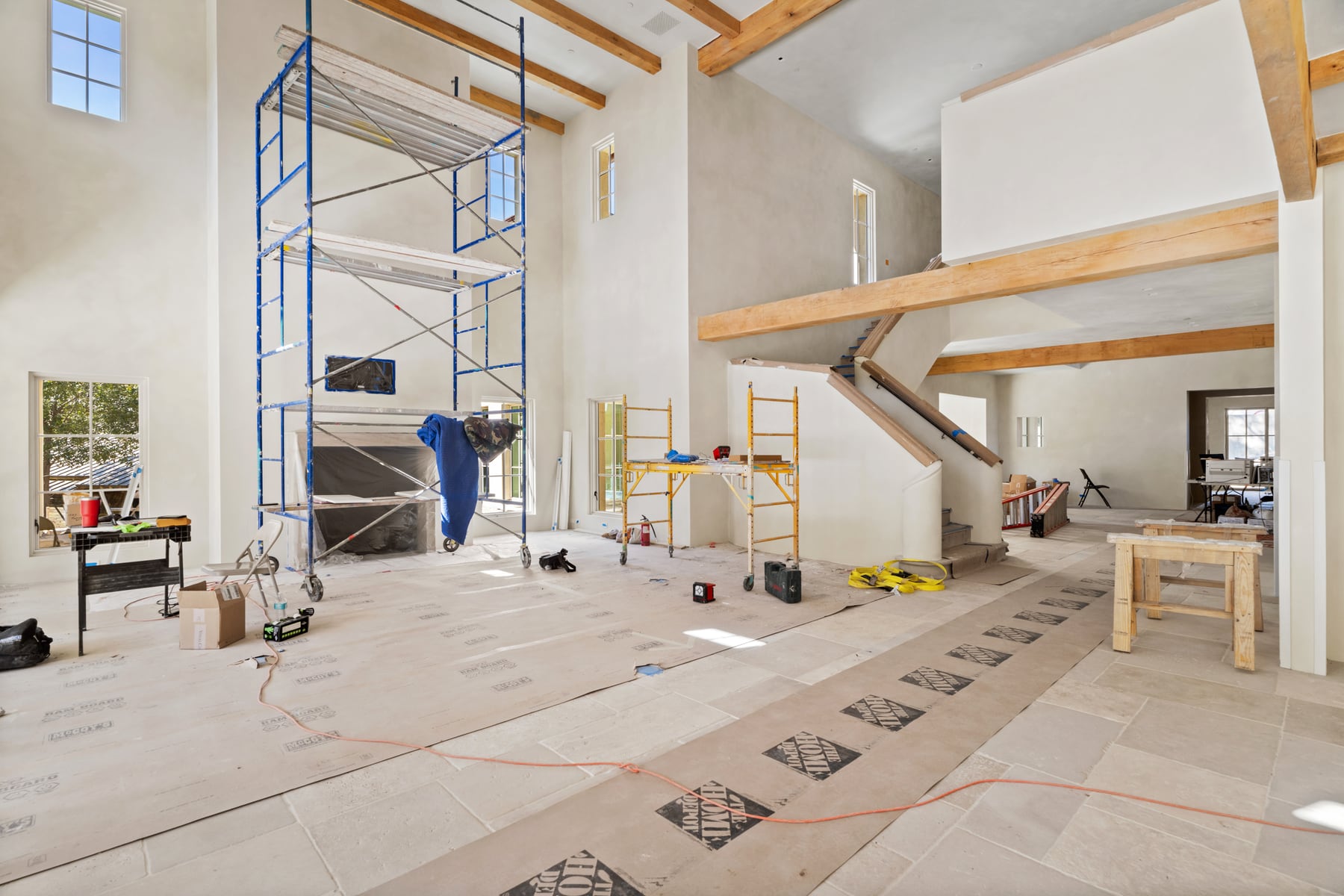
The trade-off is time and uncertainty. A to-be-built home can take many months to complete, and supply-chain or weather delays are part of the bargain. You may also be buying into a section that’s still a construction zone, with dump trucks and framing crews as your neighbors for a year or two. And because you’re often buying off a plan, you’re trusting renderings rather than walking the actual rooms.
The Case for Resale
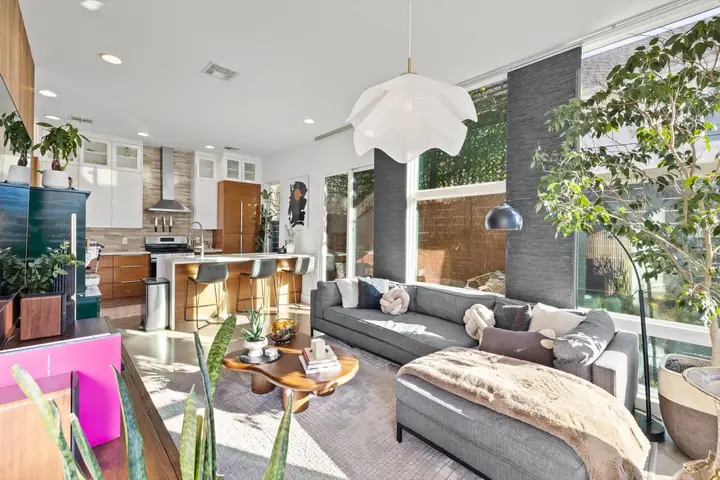
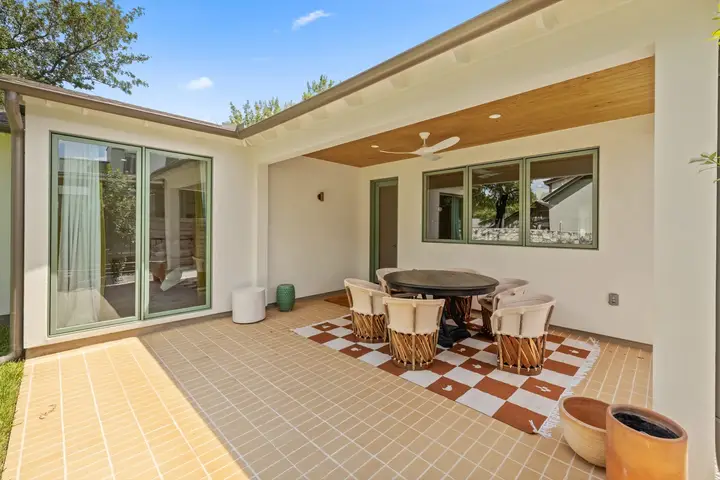
A resale home in an established Georgetown, Leander, or Liberty Hill neighborhood offers something a model home physically cannot: maturity. The trees are grown. The lawn is in. Window coverings, fencing, gutters, sometimes a pool or a finished-out garage—the expensive “extras” that new-construction buyers discover aren’t included are already there and already paid for.
You also get certainty. The house exists. You can walk it at different times of day, hear the road noise, see how the afternoon sun hits the living room, and meet the neighbors before you commit. There’s no construction timeline to slip and no design-center bill that quietly balloons your budget by tens of thousands of dollars.
Location is the other quiet advantage. The most convenient lots—closest to Georgetown’s historic Square, to an HEB, to a Capital MetroRail station in Leander, or to a top-rated school—were often built out years ago. If you want to be in the heart of things rather than at the growing edge, resale is frequently the only way in.
Pricing and Negotiation on Resale
Resale negotiation runs the opposite direction from new construction. Here, the individual seller’s price is very much on the table, especially as homes sit longer. You can ask for price reductions, repair credits after inspection, or help with closing costs, and the seller—who usually has a next home to buy—has real motivation to deal. There’s no concern about protecting a builder’s comps; it’s one house, one decision.
The catch: an older home is, well, older. Roofs age, HVAC systems wear out, water heaters fail. A resale purchase lives and dies by the inspection.
Inspections: Non-Negotiable Either Way
Whatever you buy, get an independent inspection by a licensed Texas inspector. On resale homes the reason is obvious—you’re hunting for deferred maintenance and aging systems before they become your problem.
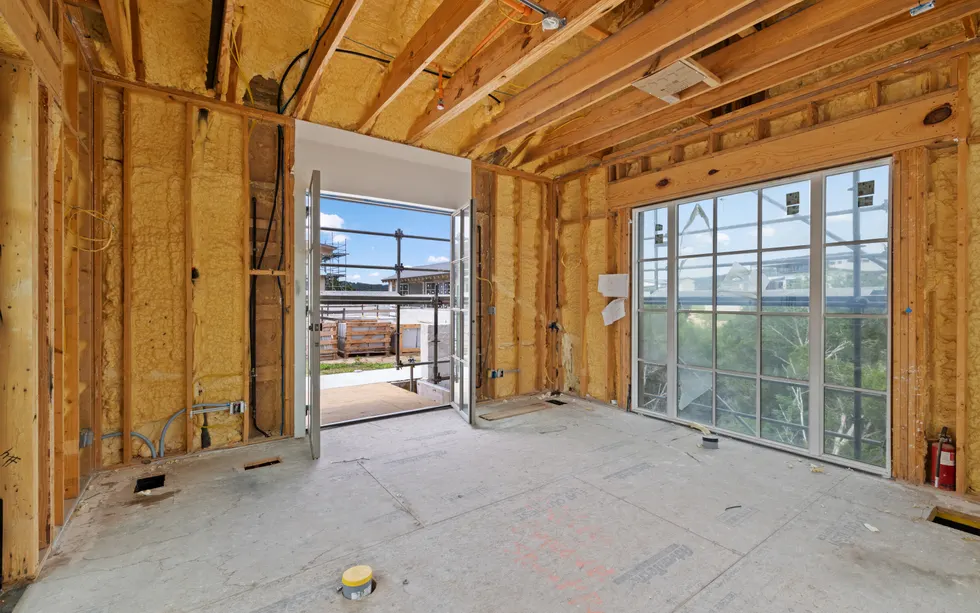
But new construction needs inspections too, and too many buyers skip them assuming “it’s new, it’s fine.” It isn’t always. New homes built fast in a booming market can hide framing, drainage, electrical, and HVAC issues that a third-party inspector—working for you, not the builder—will catch while the warranty is fresh and the builder is still obligated to fix things.
The MUD and PID Question on New Builds
Here’s a cost most new-construction shoppers underestimate: the tax bill. Many newer master-planned communities in Liberty Hill, Leander, and the Georgetown fringe sit inside a Municipal Utility District (MUD) or carry a Public Improvement District (PID) assessment that helped finance the water lines, roads, and amenities that make the community attractive in the first place.
A MUD adds an extra ad-valorem (value-based) tax rate on top of your city, county, and school taxes, set by the district’s board to repay the bonds that built the infrastructure. A PID, by contrast, is typically a fixed special assessment spread over roughly 20 to 30 years. Either one can meaningfully raise your total cost of ownership—and they cluster in exactly the kind of brand-new neighborhoods buyers are drawn to.
Texas law requires sellers to disclose both: a MUD notice under Property Code §5.014 and, since September 2021, a PID notice before you’re locked into a contract. Established resale neighborhoods may have an older MUD whose rate has declined as bonds were paid down—or no special district at all. Always check the full tax picture through the Williamson Central Appraisal District and the Williamson County PID page before you fall in love with a floor plan.
Who Each Option Suits
New construction tends to fit buyers who want modern everything, a warranty, builder financing incentives, and a community with brand-new amenities—and who have the flexibility to wait on a build and the discipline to budget for a backyard, blinds, and a possible MUD/PID add-on.
Resale tends to fit buyers who want a mature lot, a proven location closer to schools and shopping, certainty about what they’re getting, and a price they can genuinely negotiate—and who are comfortable handling some maintenance on an older home.
The Bottom Line
New construction and resale aren’t better or worse—they’re different products solving for different priorities. New gives you modern finishes, warranties, and builder incentives, with the trade-offs of waiting, finishing out the property, and possible MUD or PID taxes. Resale gives you maturity, certainty, prime locations, and real price negotiation, with the trade-off of an older home’s upkeep. Tour both, run the full numbers including special-district taxes, and work with a local agent who knows the difference between a Liberty Hill spec home and an established Leander cul-de-sac. The right answer is the one that fits how you actually want to live in Central Texas.
Market figures cited are approximate and current as of mid-2026; verify current data before making real estate decisions.