Pools, trails, and a built-in lifestyle come at a price. Here’s how master-planned communities really work in Central Texas — and what to check before you sign.
Drive west out of Georgetown on Highway 29 and you’ll pass them one after another: stone entry monuments, manicured medians, a resort-style pool glinting behind a clubhouse, banners advertising homes “from the low $400,000s.” Master-planned communities — MPCs in the trade — have become the default way Central Texas grows. They promise a turnkey lifestyle, where your morning jog, your kid’s swim team, and the neighborhood Fourth of July party are all baked into the deed.
For a lot of buyers, that promise delivers. But an MPC is also a financial and lifestyle commitment with moving parts that a typical resale neighborhood doesn’t have. Before you fall for the model home and the splash pad, here’s what you should understand about buying into one.
How a Master-Planned Community Actually Works
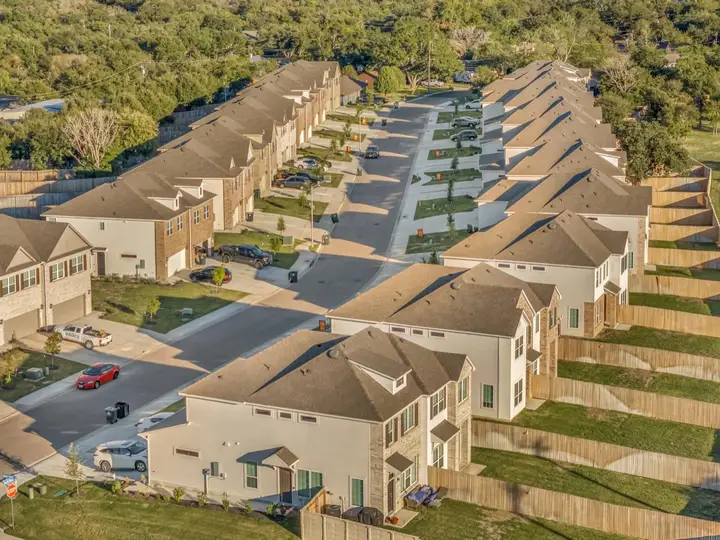
An MPC is a large, single-vision development — often hundreds or thousands of acres — designed up front with housing, amenities, open space, and sometimes retail and schools laid out together. Instead of a builder dropping a subdivision onto raw land, a master developer controls the entire blueprint and sells parcels to multiple homebuilders, which is why one community can offer homes from Lennar, Perry, Highland, Drees, and others side by side.
That coordinated design is the appeal. You get consistent architectural standards, dedicated parkland, and amenities no single builder could justify alone. It’s also why nearly every MPC comes with three letters you’ll need to learn: HOA, MUD, and PID.
The Three Bills Behind the Lifestyle: HOA, MUD, and PID
This is the part buyers most often misunderstand. The pool and trails aren’t free, and they’re funded through overlapping mechanisms.
HOA (Homeowners Association). The HOA collects dues to maintain common areas, run amenities, and enforce deed restrictions. Dues in Central Texas range widely — from a few hundred dollars a year in modest communities to $1,000 or more, and far higher in luxury or country-club communities with golf and gated security. Texas HOAs operate under Property Code Chapter 209, and you’re entitled to a resale certificate disclosing dues, assessments, and rules before closing.
MUD (Municipal Utility District). A MUD is a political subdivision that finances water, sewer, drainage, and roads in developing areas by issuing bonds, then repaying them through an additional property tax set by the MUD board — on top of your city, county, and school taxes. MUD rates tend to be highest in a community’s early years and decline as bonds are paid down and the tax base grows. Texas law requires sellers to give buyers a MUD notice before contract.
PID (Public Improvement District). Created by a city or county under Local Government Code Chapter 372, a PID funds improvements through a special assessment — usually a fixed amount spread over 20 to 30 years that ends when paid off, and can often be paid early. Since September 2021, sellers must provide a PID notice to buyers. You can review Williamson County’s PIDs directly.
The crucial takeaway: a community can have all three. To know your true cost of ownership, add HOA dues plus any MUD or PID obligation on top of your base property tax. Two homes with identical sticker prices can carry very different monthly costs.
Builder New Construction vs. Resale Within the MPC
Most MPCs offer both brand-new builder homes and resale homes from earlier phases, and the choice matters.
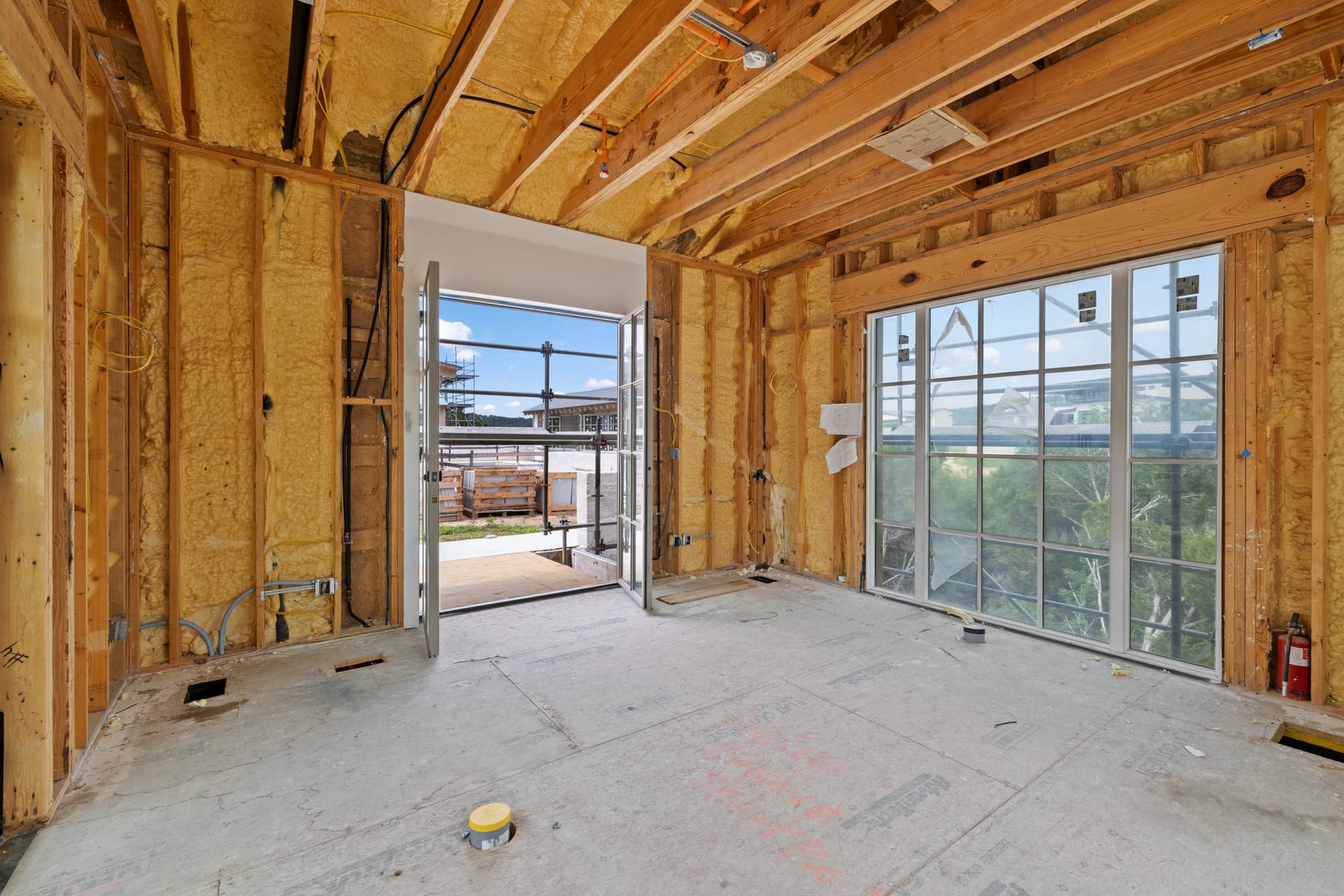
Buying new gets you warranties, current floor plans, energy-efficient systems, and — in today’s market — builder incentives like rate buydowns and closing-cost help. The trade-offs: you may be choosing from a lot map rather than walking a finished home, landscaping is immature, and you could be living next to active construction for years.
Resale within an established phase gives you a finished yard, a sense of who your neighbors are, and an MUD rate that has often already started to come down. You trade some shine and customization for a settled neighborhood and, frequently, a more negotiable price.
The Lifestyle: Pros and the Honest Cons
The pros are real. Resort pools, splash pads, fitness centers, miles of trails, dog parks, and a calendar of community events create genuine connection — these places are built for families and active retirees alike. Consistent standards protect the look of the neighborhood, and amenities can support resale value.
The cons are equally real. You’re agreeing to rules: approved paint colors, fence styles, where the RV can (or can’t) park. Dues and special-district taxes raise your carrying cost. And in a young MPC, you’re buying into a long-term construction zone — expect dust, truck traffic, and the soundtrack of nail guns at 7 a.m. until your phase fills in.
Phasing and Construction Noise
MPCs build out in phases over many years. That’s why your “completed community” rendering and your move-in reality can look very different. Ask the developer where your home sits in the phasing plan, what’s slated to be built nearby, and how long the timeline runs. Living in Phase 1 of a 12-year buildout is a different experience than buying into a final phase next to mature trees.
Resale Considerations
When you eventually sell, you’ll be competing — possibly against the builder, who may still be selling new homes with incentives in later phases. That can cap resale pricing while a community is young. Well-run amenities and a strong school district help; a stalled buildout or deferred maintenance hurts. The healthiest resale picture usually belongs to MPCs that are mostly built out, with amenities delivered as promised and MUD rates trending down.
Central Texas Examples Worth Knowing
The Georgetown area is rich with MPCs across price points:
- Wolf Ranch (Hillwood) — roughly 1,120 acres along the San Gabriel River off Hwy 29, two amenity centers, river trails, and an HEB-anchored town center next door.
- Sun City Texas (Del Webb) — the largest 55+ active-adult community in Texas, with three golf courses and 9,900-plus homes.
- Santa Rita Ranch in Liberty Hill — an award-winning, amenity-heavy MPC with pools, parks, and trails.
- Travisso in Leander — Hill Country setting with resort amenities, one of the metro’s premier MPCs.
Each carries its own mix of HOA, MUD, and PID, so the right comparison is always total monthly cost — not just list price.
The Bottom Line
A master-planned community can deliver one of the best lifestyles in Central Texas real estate — connection, amenities, and a neighborhood built with intention. Just go in clear-eyed: read the HOA documents, confirm the MUD and PID obligations, understand where you sit in the phasing plan, and total your true cost of ownership before the model home wins you over. Do that homework, and the pools and trails feel a lot more like a deal.
Market figures cited are approximate and current as of mid-2026; verify current data before making real estate decisions.