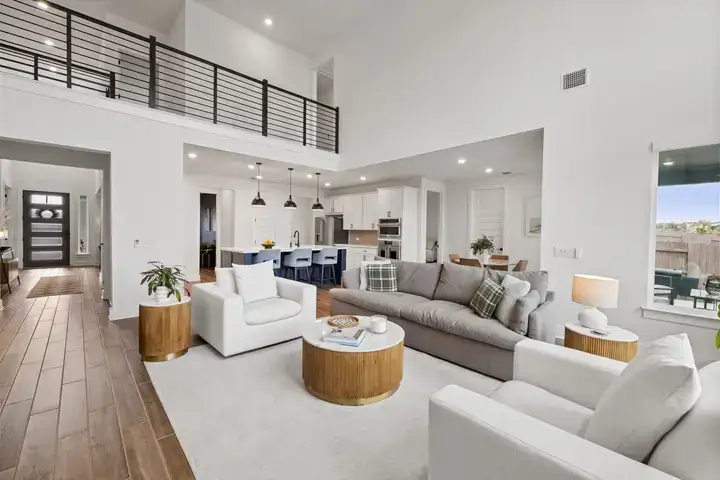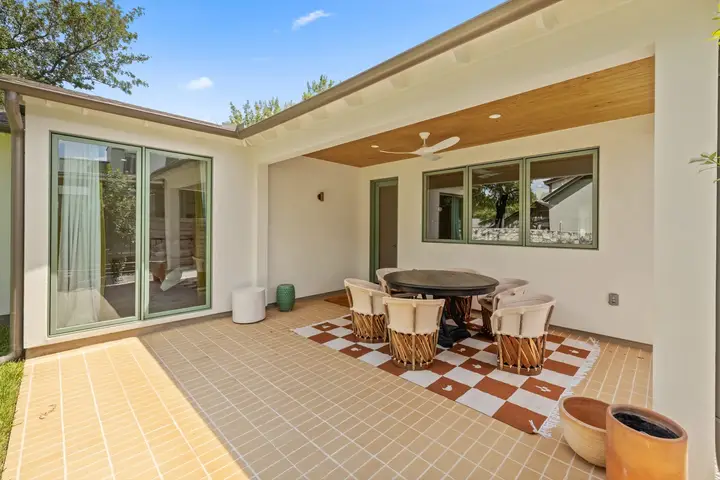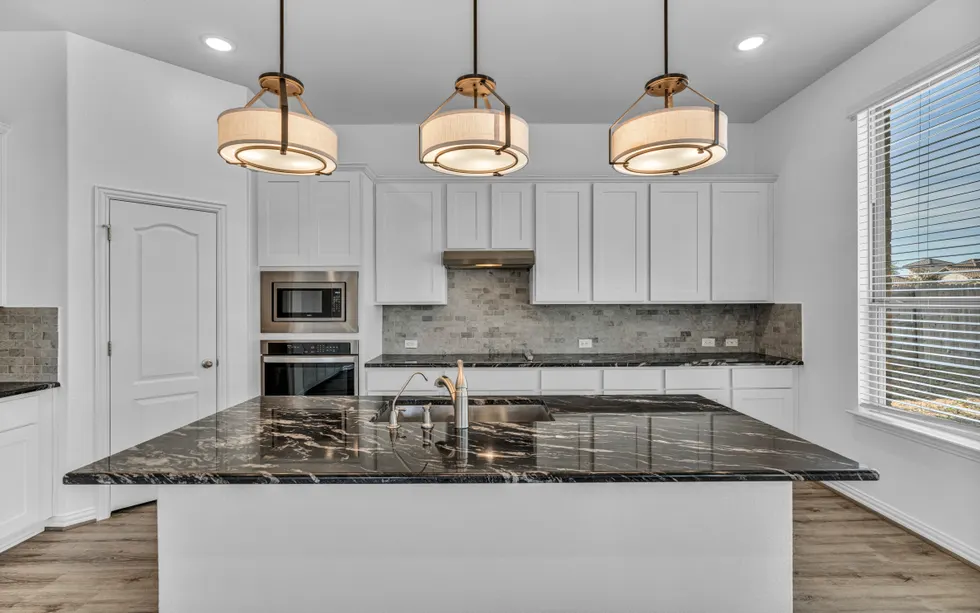
Buying a new construction home in Georgetown involves more than choosing a floor plan. The lot, included finishes, financing, contract and completion schedule all affect what you will pay and when you can move.
This guide focuses on the buying process. For a starting list of communities and available-home searches, use the Georgetown new construction homes guide. Then compare each builder's written offer using the questions below.
Put Georgetown's Growth in Context
The Census Bureau estimated Georgetown's population at 106,907 on July 1, 2025. That growth provides context for exploring new communities, but it does not establish current inventory, a builder's sales pace or future home values.
Separate the decision into three parts: where you want to live, which property meets your needs and whether the complete purchase fits your budget. A community's reputation or an advertised starting price cannot answer all three.
Compare Communities and the Exact Lot
Two examples with current official builder directories are Wolf Ranch and Parkside on the River. Those directories are useful for checking which companies to contact; obtain current lot availability, included features and written pricing directly for the home you are considering.
Tour the actual homesite as well as the model. Look at slope, drainage, neighboring construction, road access, usable yard space and the proposed orientation of the home. Ask which amenities are open and which remain planned, and request the current HOA documents, fees and restrictions.
Check the tax and assessment information for the lot and confirm utility providers. A finished home may have a different tax basis from a vacant lot's previous bill. Verify assigned schools through the district for the year you expect to occupy the home; Georgetown ISD publishes its address locator and rezoning information.
Compare Builders With the Same Checklist
Wolf Ranch's official directory lists Coventry, Pulte, Lennar, Tri Pointe, Drees, Highland, Perry, David Weekley and Westin. Parkside on the River lists Chesmar, Coventry, DRB, Highland, M/I Homes, Perry and Taylor Morrison. These September 8, 2026 directory checks are examples, not a complete Georgetown builder list or a promise that every plan is available.
Ask each builder for the same documents: the included-feature sheet, lot premium, options price list, deposit requirements, warranty and sample contract. Take notes on what is shown in the model but excluded from the price. Compare completed homes when possible so that the decision is based on the delivered product as well as the presentation.
Buying New vs. Resale
Compare new and resale homes using a complete move-in budget. A new home may offer choices of finishes and layout, while a resale property lets you inspect the existing improvements and surroundings. Either can require work, and either deserves an independent inspection.
- For a new home: Confirm what is included for landscaping, fencing, appliances, gutters and window coverings. Review the warranty's coverage, exclusions and claim process.
- For resale: Review the age and condition of major systems, earlier repairs and the cost of changes you would make after moving in.
- For both: Compare the actual commute, recurring costs, usable space and likely move date.
The Georgetown housing market guide provides dated market context. Use recent comparable sales and current competing homes for the individual purchase rather than assuming every builder or seller is equally motivated.
Evaluate Builder Incentives in Writing
A builder may offer closing-cost assistance, a rate incentive, included upgrades or a price reduction on a particular home. Ask which homes qualify, when the offer expires, whether it requires a preferred lender or title provider, and whether it can be combined with other terms. Compare the full offer before treating an incentive as savings.
The Consumer Financial Protection Bureau's Loan Estimate comparison guide explains how to compare interest rates, lender fees, credits, cash to close and total monthly payments. Obtain comparable loan quotes, and ask for the payment after any temporary rate incentive expires. A lower tax or insurance estimate alone does not make one lender less expensive.
For upgrades, identify which items you would actually buy. A large allowance for finishes you do not need may be less useful than a different purchase price or financing package. Keep the signed contract and incentive documents together so the agreed terms are easy to confirm before closing.
Discuss Representation Before Touring
Talk with your Georgetown realtor before contacting sales offices so you can discuss representation, the tour plan and each builder's registration requirements. Ask the sales representative whom they represent and how the builder handles buyer-broker compensation.
TREC's 2026 buyer-representation guidance explains written agreement requirements and confirms that broker compensation is fully negotiable. Review services, fees and payment responsibilities in your agreement. Do not assume a builder will cover your entire fee, or that visiting a model alone permanently prevents you from obtaining representation.
An agent can help organize comparisons and negotiations and coordinate the transaction. Ask a Texas real estate attorney to interpret legal provisions you do not understand, especially a builder's contract terms about deposits, delays, changes and dispute resolution.
Check the Home's Specifications and Condition
Ask for the actual insulation, window and HVAC specifications, any available energy-performance documentation and the maintenance instructions. The word "new" does not establish a particular utility bill. Compare the home's size, orientation, equipment and service provider along with any efficiency claims.
Arrange independent inspections at appropriate stages permitted by the contract, and request the builder's access and scheduling process early. Document findings, agreed repairs and the final walkthrough. Keep copies of warranties and instructions for reporting a problem after closing.
Make the Completion Schedule Part of the Decision
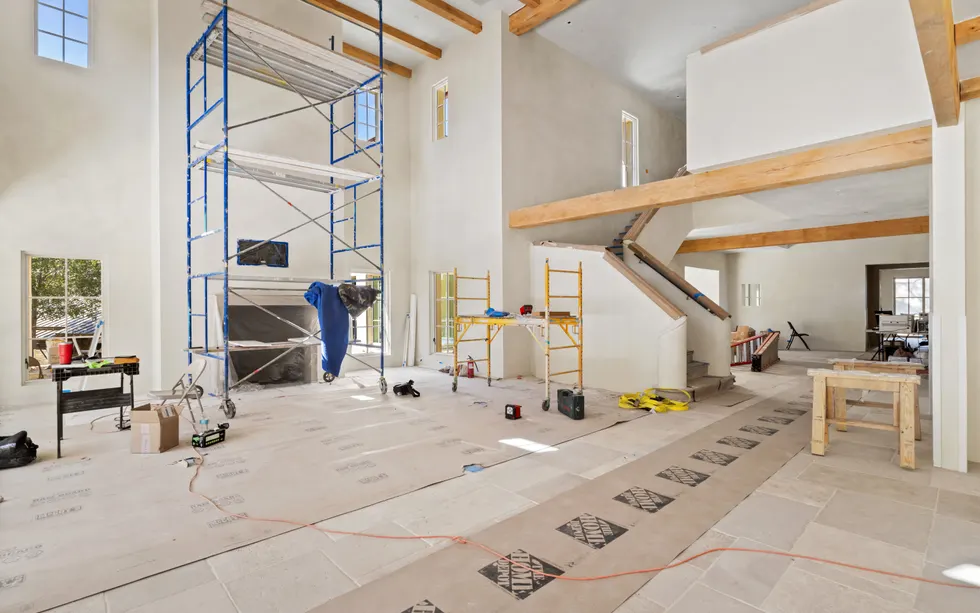
A completed inventory home and a home not yet started require different move plans. Ask what work remains, which selections you can still make and which approvals are needed before occupancy. The date in a marketing listing may be an estimate; review the timing provisions in the contract.
- Completed or nearly completed home: Confirm remaining repairs, inspections, utility readiness, lender timing and the proposed closing date.
- To-be-built home: Review permitting, selection deadlines, construction milestones, extension clauses and how progress will be communicated.
- Coordinating another move: Plan for possible overlap with a sale or lease and decide what you would do if completion changes.
Georgetown's utility setup guide notes that new-construction addresses may not appear for service requests until the builder completes permitting requirements. Verify the specific address before scheduling activation.
Prepare a New-Home Comparison
Bring your preferred communities, budget and move date to Michael Moody, Broker Associate with All City Real Estate Ltd. Co. Use the contact page to plan a tour and identify the questions to resolve with each builder before signing.