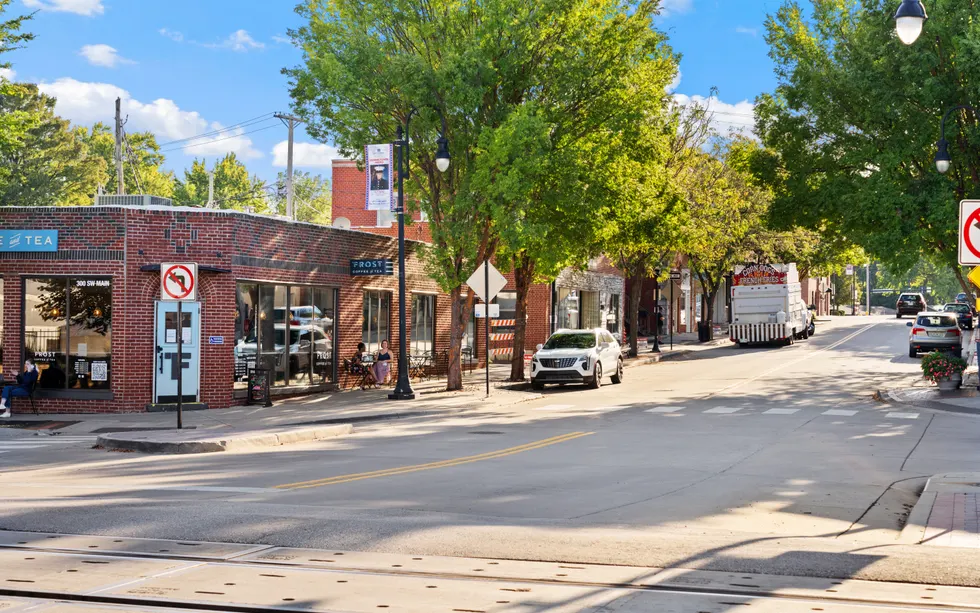

Twelve miles apart on Highway 29, these two Williamson County towns offer very different versions of Central Texas living. Here’s an honest, side-by-side look to help you choose.
They sit just a dozen miles apart, connected by the same two-lane stretch of Highway 29, and they’re both among the fastest-growing places in one of the country’s fastest-growing regions. Yet Liberty Hill and Georgetown ask buyers to make genuinely different choices. One is a polished, established small city with a famous courthouse square; the other is a fast-rising town on the edge of the Hill Country, still writing its first chapters.
There’s no universal winner here—only the better fit for your budget, your commute, and the life you’re after. Let’s put them side by side.
The Quick Comparison
| Liberty Hill | Georgetown | |
|---|---|---|
| Feel | Rural, Hill Country, fast-emerging | Established small city, historic charm |
| Median home price | ~$356K (2025) | Low-to-mid $400,000s |
| School district | Liberty Hill ISD (“A”-rated) | Georgetown ISD (~97% grad rate) |
| Distance to Austin | ~35–40 mi NW | ~26–30 mi N |
| Downtown | Sculpture park, small but growing | Award-winning historic Square |
| Best for | Land, value, newer builds | Amenities, walkability, services |
Now the detail behind the table.
Price: Liberty Hill’s Clearest Edge
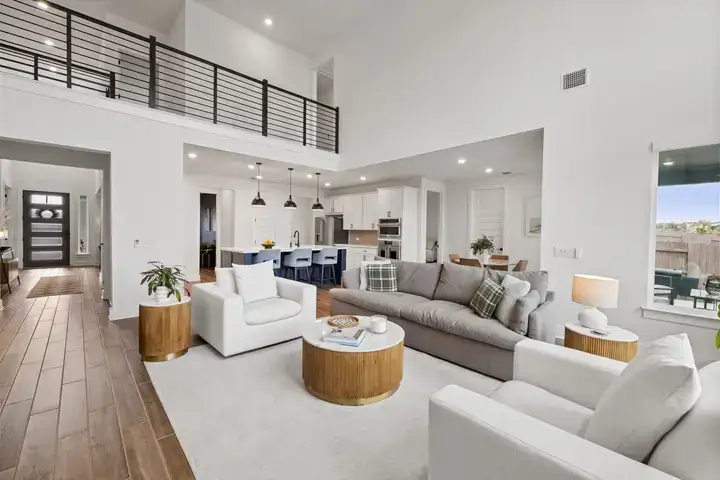
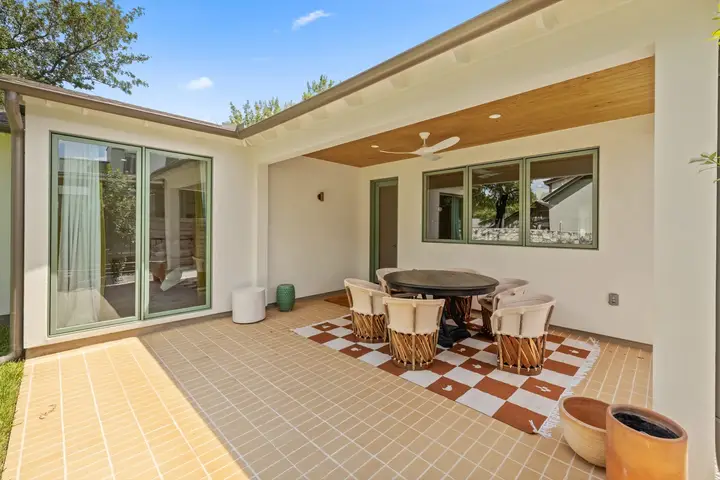
If your budget is the deciding factor, Liberty Hill usually wins. The median home price in Liberty Hill sat around $356,000 in 2025, while Georgetown ran in the low-to-mid $400,000s depending on the source and month. That’s a meaningful gap—often tens of thousands of dollars—and it buys real things: more square footage, a bigger lot, or simply an easier monthly payment.
The catch is the same one that explains the price: Liberty Hill sits farther out and has fewer built-out amenities. You’re partly paying Georgetown’s premium for its maturity. For current figures, check sources like Redfin and Zillow, which update monthly and have shown the broader market shifting toward a more balanced, buyer-friendlier footing.
One cost factor that doesn’t show up in a median price deserves a flag: special districts. Many of Liberty Hill’s newer communities carry MUD or PID assessments that fund water, roads, and amenities in developing areas—charges that stack on top of standard property taxes and can raise your effective monthly payment. Georgetown’s more established neighborhoods are less likely to carry heavy new-development assessments, though they’re not immune. In both towns, the honest comparison isn’t list price against list price—it’s total monthly cost against total monthly cost, taxes and assessments included. Two homes with identical stickers can carry very different real costs once those are added in.
Schools: Both Strong, Slightly Different
This is closer than the price comparison. Liberty Hill ISD carries an “A” rating from the Texas Education Agency and is expanding rapidly—enrollment has roughly doubled in five years and is projected to keep climbing toward 18,000 students by 2030. That growth brings new campuses and modern facilities, with the caveat that attendance boundaries can shift in a district building this fast.
Georgetown ISD is the more established district, with a graduation rate around 97 percent, robust AP offerings, and multiple high schools including Georgetown High and East View. You’re trading Liberty Hill’s fast-rising momentum for Georgetown’s settled track record.
Two essential notes: verify any campus rating yourself at txschools.gov, and remember that district lines don’t follow city limits. Some Georgetown-addressed homes actually fall within Liberty Hill ISD or Leander ISD, so always confirm zoning by the specific address.
Size, Amenities, and Daily Life
Here Georgetown pulls ahead. As the county seat of Williamson County with a population past 100,000, Georgetown offers the conveniences of a real small city: a deep retail and dining base, robust medical facilities, Southwestern University (the oldest university in Texas), and a city-owned utility that made Georgetown one of the largest U.S. cities to run on 100 percent renewable energy.
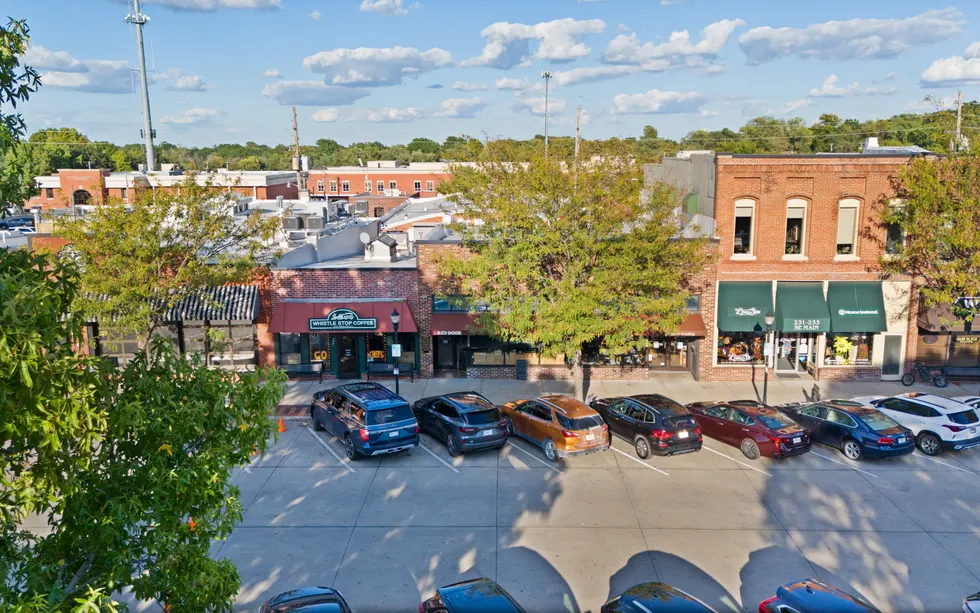
And then there’s the Square—officially honored as one of the most beautiful in Texas, ringed by late-Victorian architecture, the first city in the state to win the Great American Main Street Award. With the spring Red Poppy Festival, Second Saturdays, and a walkable historic core, Georgetown has a downtown that Liberty Hill, for all its momentum, simply hasn’t built yet.
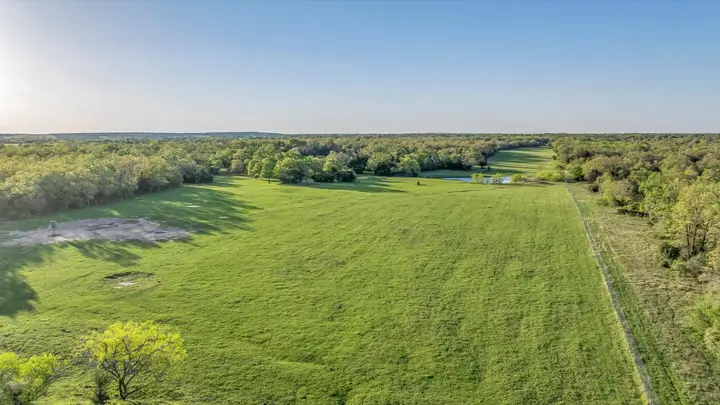
Liberty Hill counters with space and scenery. Its identity is rural and Hill Country—more land, larger lots, true acreage tracts, dark skies—and a downtown anchored by a free International Sculpture Park. It’s quieter and less built-out, which is precisely the appeal for buyers who came here to get away from the suburbs, not into more of them.
Commute: A Modest Win for Georgetown
For Austin commuters, Georgetown’s position on I-35, roughly 26 to 30 miles north of downtown, is a bit more convenient than Liberty Hill’s, which sits 35 to 40 miles northwest and relies on Highway 29 feeding into I-35 or the 183A toll road toward Cedar Park and Leander. Neither is a short hop at rush hour, and the right answer depends entirely on where you work. If your job is in north Austin’s tech corridor or Cedar Park, Liberty Hill’s drive can actually rival Georgetown’s; if you’re headed downtown daily, Georgetown’s I-35 access usually edges it. Drive both routes at your real commute time before deciding.
Vibe and Who Each Suits
The cleanest way to choose is by temperament.
Choose Georgetown if you want an established small-city lifestyle—walkable historic downtown, deep amenities, strong medical and retail, and a proven school district—and you’re willing to pay the premium and accept smaller, pricier lots closer to town.
Choose Liberty Hill if you want more home and land for the money, an A-rated and fast-improving school district, and a genuine Hill Country setting—and you’re comfortable with a longer drive and a town still building out its conveniences.
Many buyers also fold a third option into the comparison—Leander, to the south, which adds a Capital MetroRail commuter-rail option and a larger retail base, at a higher median price. If a rail commute matters to you, it’s worth a look alongside these two.
There’s also a lifestyle-stage angle worth naming. Georgetown, with its deep medical infrastructure, walkable Square, and established services, tends to appeal strongly to retirees and empty-nesters—the town is home to the massive Sun City active-adult community for exactly that reason. Liberty Hill, with its newer family-sized homes, expanding schools, and room for kids and animals to roam, skews younger and more family-oriented. Neither town is exclusively one or the other, but if you picture your next decade in a particular way, that picture often points clearly to one side of Highway 29.
Finally, consider resale and trajectory. Georgetown is a known quantity—its values rest on decades of established desirability. Liberty Hill is still early in its story, which means more uncertainty but also more upside as amenities, retail, and infrastructure catch up to the population. Buyers comfortable with a developing town often find Liberty Hill rewards the patience; buyers who want proven stability tend to sleep better in Georgetown.
The Bottom Line
Georgetown sells maturity—a beautiful historic Square, deep amenities, and a proven district—at a higher price. Liberty Hill sells value and space—newer homes, an A-rated school district, and real Hill Country breathing room—at the cost of a longer drive and fewer built-out conveniences. Neither is objectively better; they simply suit different buyers. Pin down your budget, drive your real commute, and confirm school zoning by address, and the right choice between these two Highway 29 neighbors will make itself clear.
Market figures cited are approximate and current as of mid-2026; verify current data before making real estate decisions.