Three booming towns north of Austin, three very different personalities. A fair, side-by-side look at commute, prices, schools, and lifestyle to help you choose.
Stand at the right spot in northern Williamson County and you can practically see all three at once: Georgetown to the east with its limestone Square, Leander to the south with its commuter rail line, and Liberty Hill to the west where the subdivisions still give way to open ranchland. A decade ago, only one of them was a household name. Today all three rank among the fastest-growing communities in one of the fastest-growing counties in the nation — and buyers relocating to the Austin metro are constantly trying to decide between them.
There is no universal “best.” There’s only the best fit for your commute, your budget, your kids’ schools, and the kind of daily life you want. Here’s an honest, balanced comparison of Georgetown vs. Liberty Hill vs. Leander.
The Quick Take
| Georgetown | Liberty Hill | Leander | |
|---|---|---|---|
| Location | ~26–30 mi N of Austin on I-35 | ~12 mi W of Georgetown on Hwy 29 | SW of Georgetown, on US 183 |
| Commute edge | I-35 + 130 tollway | Most rural; drive everywhere | MetroRail Red Line to Austin |
| Vibe | Historic small city, walkable Square | Rural, land, fast-developing | Established suburb, big retail |
| Median home price | Low-to-mid $400,000s | ~$356K (2025) | ~$485K–$492K (2024–25) |
| Main school district | Georgetown ISD | Liberty Hill ISD | Leander ISD |
| Best for | Lifestyle, downtown charm, 55+ | Land, value, new construction | Rail commuters, retail convenience |
(Figures are approximate and shift month to month — always verify by current data and exact address.)
Location and Commute
For most buyers, the decision starts with the drive.
Georgetown sits about 26 to 30 miles north of downtown Austin along I-35, with the 130 tollway offering an east-side bypass around the worst of the interstate congestion. It’s the most “city-like” of the three, with its own hospital district, full retail, and an airport. Commuting to north Austin tech corridors is reasonable; commuting to downtown Austin at peak hour requires patience.
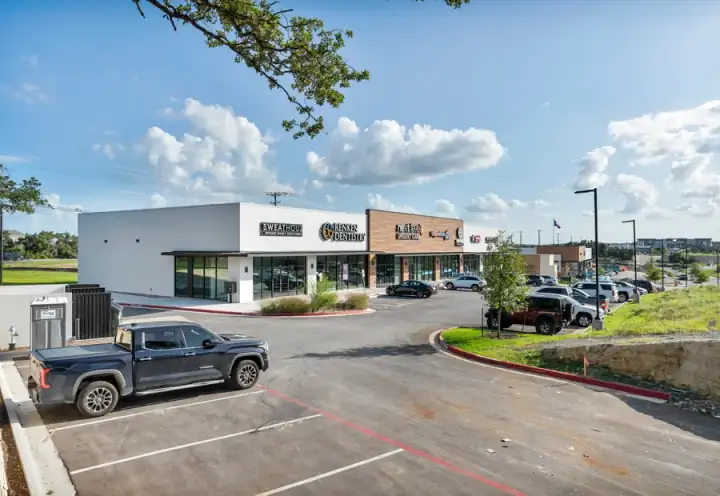
Leander holds a trump card the other two don’t: it’s the northern terminus of Capital Metro’s MetroRail Red Line, the commuter train that runs into downtown Austin. For anyone who works near a station — or simply hates I-35 — that rail connection is a genuine lifestyle differentiator. Leander also has the deepest established retail base of the three, anchored by the 1890 Ranch shopping center and a wave of newer development.
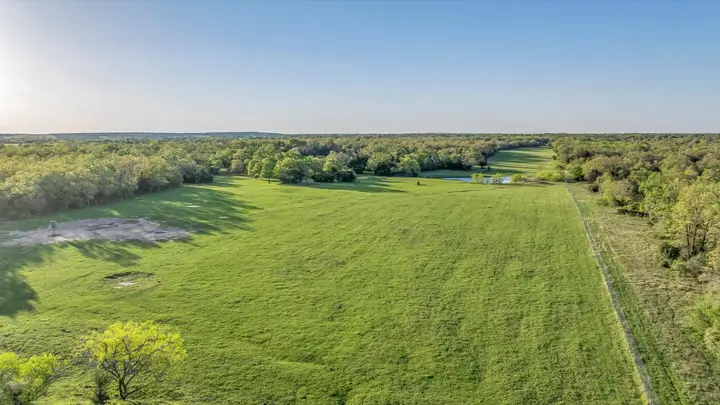
Liberty Hill is the most rural and the least connected. Sitting roughly 12 miles west of Georgetown on Highway 29, it trades convenience for elbow room. There’s no rail, retail is thinner (though growing fast), and you’ll drive for many errands. The upside is space, quiet, and Hill Country scenery.
Home Prices and What You Get
This is where the three towns separate most clearly.
Liberty Hill is generally the value play, with a 2025 median home price around $356,000 — the lowest of the three. Your dollar stretches furthest here, often buying more land and newer construction, with communities like Santa Rita Ranch drawing families who want master-planned amenities at an accessible price point. The catch is the rural location and longer drives.
Georgetown lands in the middle, with a median in the low-to-mid $400,000s per Redfin and Zillow data. That money buys access to an enormous range — from 55-plus homes in Sun City to riverfront master plans in Wolf Ranch to restored historic homes downtown. You’re paying a premium over Liberty Hill for location, amenities, and the small-city infrastructure.
Leander tends to carry the highest median, with Leander/Liberty Hill-area figures around $485,000 to $492,000 in 2024–25 data. The premium reflects its established suburban status, its retail convenience, and — crucially — the MetroRail access and its highly regarded school district.
Note that all three towns have shifted toward a more balanced market recently. In Georgetown, days on market stretched from roughly 60 toward 90 year-over-year as inventory rose through 2025, giving buyers more negotiating room than in the frenzied years prior.
Schools: Three Districts, One Caveat
School district is often the deciding factor for families, and here the lines matter more than the city limits.
- Georgetown ISD serves much of Georgetown, with an approximately 97% graduation rate and AP offerings across campuses including Georgetown High School and East View High School.
- Leander ISD serves Leander and parts of the surrounding area and carries strong ratings; it’s frequently cited as a draw in its own right.
- Liberty Hill ISD serves Liberty Hill and is growing rapidly to keep pace with development.
The crucial caveat: city and school-district boundaries don’t line up neatly. A Georgetown mailing address can fall within Georgetown ISD, Liberty Hill ISD, or Leander ISD depending on the exact location — Rancho Sienna, for instance, is a Georgetown community zoned to Liberty Hill ISD. Never assume; verify the assigned schools by specific address, and check current ratings on the Texas Education Agency’s public school finder.
Vibe and Lifestyle
If commute and price are the head, vibe is the heart.
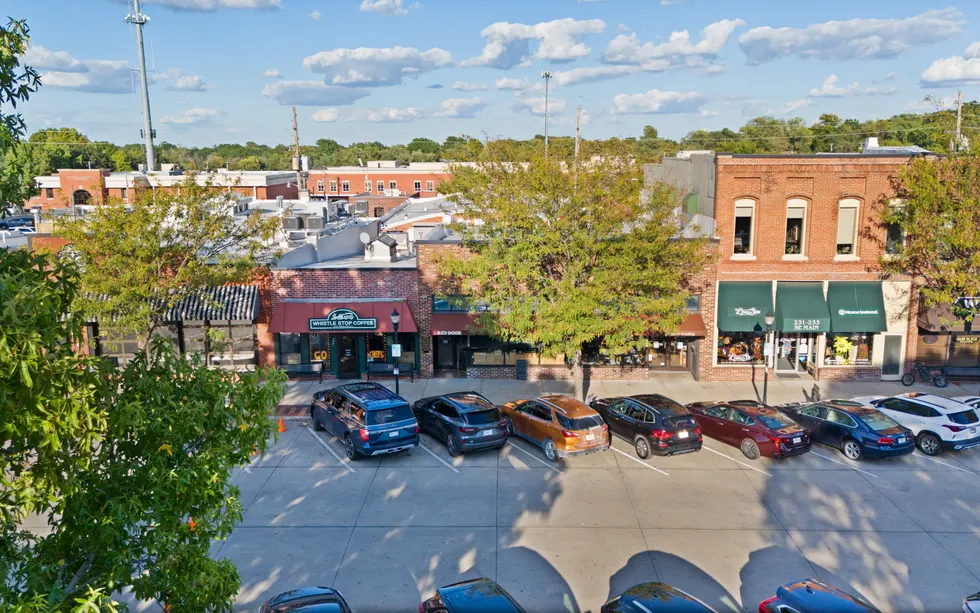
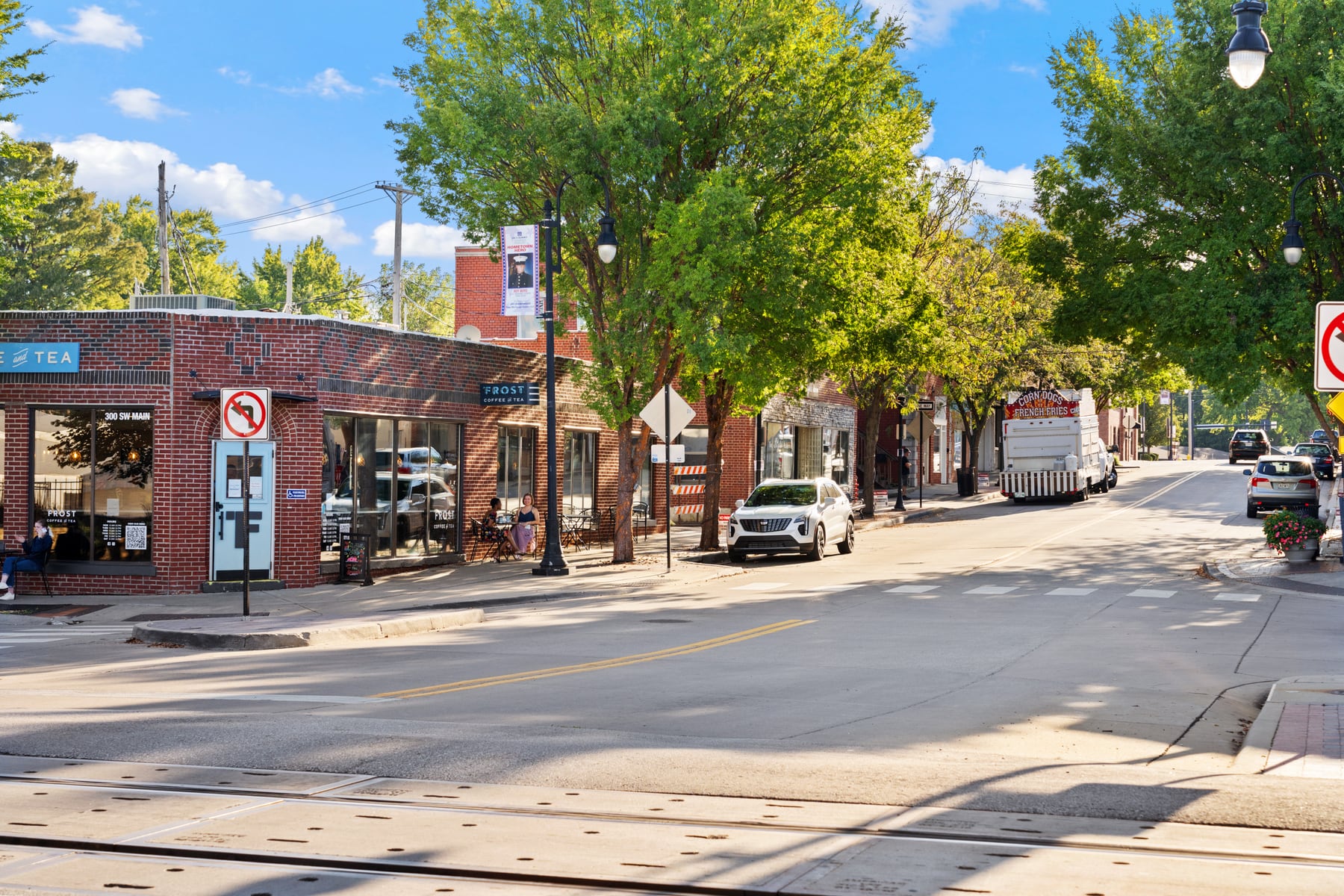
Georgetown is the only one of the three that feels like a town in the historic sense. Its courthouse Square — often called the most beautiful in Texas — anchors a walkable downtown of locally owned shops, restaurants, and year-round events like the Red Poppy Festival. Add Southwestern University (the oldest university in Texas), Lake Georgetown with its parks and the 26-mile Goodwater Loop, and a city utility running on 100% renewable energy, and Georgetown offers the richest blend of charm, amenities, and recreation.
Leander is suburban in the best and most practical sense: newer neighborhoods, big-box convenience, the rail line, and an easy, modern lifestyle. It lacks Georgetown’s historic character but makes up for it in everyday ease.
Liberty Hill is for those chasing space and a slower pace. It’s the most rural feel of the three, with bigger lots, darker skies, and a small-town independence — though “small” is changing fast as new communities arrive.
Growth: All Three Are Booming
It’s worth saying plainly: none of these towns is sleepy. Williamson County is among the fastest-growing counties in the country, and each town is adding rooftops at a remarkable clip. Georgetown was literally the fastest-growing city in the nation (50,000-plus) for 2021, 2022, and 2023. Leander has grown explosively for years. Liberty Hill is the newcomer climbing the same curve. Growth brings amenities and appreciation potential — and also traffic, construction, and the occasional growing pain. Factor that into any of the three.
Who Each Town Suits
- Choose Georgetown if you want walkable historic charm, the widest range of home types, top-tier recreation at Lake Georgetown and the Square, or a 55-plus lifestyle at Sun City — and you don’t mind paying a bit more than Liberty Hill for it.
- Choose Liberty Hill if you want the most home and land for your money, prefer a rural setting, and are comfortable trading convenience and longer drives for space, quiet, and value.
- Choose Leander if your priority is the MetroRail commute to Austin, established retail and services at your doorstep, and access to a strong, sought-after school district — and the higher median price fits your budget.
The Bottom Line
Georgetown, Liberty Hill, and Leander each win a different buyer. Georgetown is the lifestyle and amenity leader, with a historic core and unmatched recreation. Liberty Hill is the value and space play for buyers willing to drive a little farther. Leander is the commuter’s choice, with rail access, retail, and a marquee school district at a higher price point. The right answer depends entirely on your priorities — and a local Georgetown realtor who knows all three markets can help you weigh the trade-offs and pin down exactly what each home, lot, and school zone delivers before you buy.
Market figures cited are approximate and current as of mid-2026; verify current data before making real estate decisions.