A fast-growing rail town on the northwest edge of the Austin metro, where Hill Country views, strong schools, and a brand-new downtown are rewriting what a Central Texas suburb can be.
A decade ago, Leander was the kind of place you drove through on your way to somewhere else — a quiet pocket of ranchland and starter subdivisions at the end of the toll road. Today it is one of the fastest-growing cities in the country, a place where families relocating from California and Chicago compare notes at the HEB and where the last commuter-rail platform in the metro is sprouting a walkable downtown out of an old field. If you are weighing a move to Leander, you are not alone, and you are not late — but you should understand what you are buying into before you sign.
This guide walks through the growth story, the commute, the schools, the amenities, and the prices, so that working with a Leander realtor feels less like a leap of faith and more like a smart, informed decision.
A City Growing at Full Speed
Leander sits at the northwest corner of the Austin metro, straddling both Williamson and Travis counties. Recent Census counts put the population around 74,000, and 2025–2026 estimates push that figure as high as 87,500 to nearly 98,000 — a remarkable trajectory that ranks Leander among the fastest-growing cities in the United States.
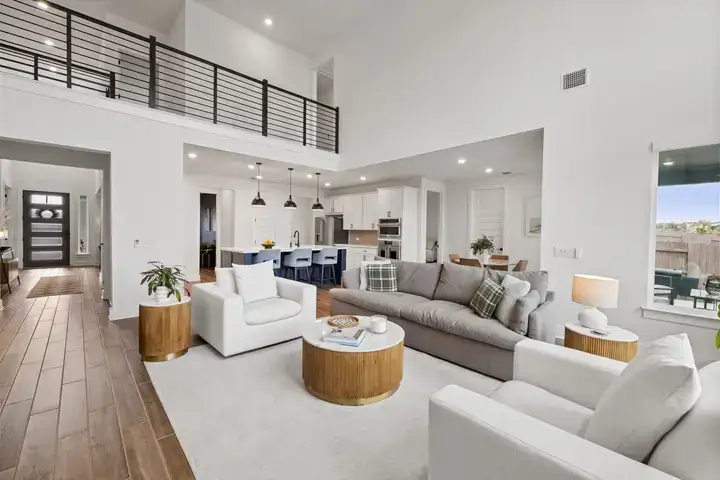
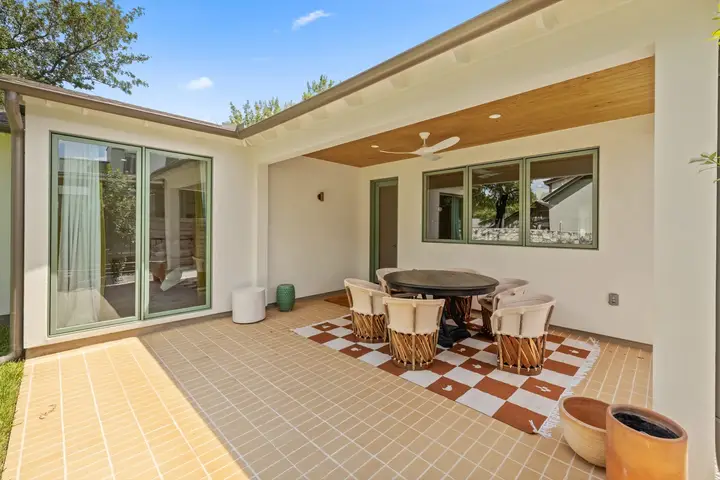
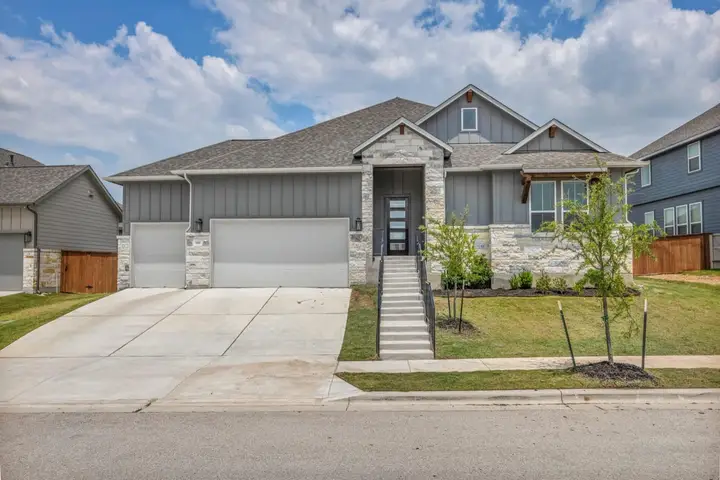
That growth is not an accident. Leander offers a combination that is hard to find elsewhere in Central Texas: relatively new housing stock, Hill Country topography, a respected school district, and — uniquely — a passenger-rail connection to downtown Austin. The city has leaned into the boom rather than fighting it, channeling new development toward master-planned neighborhoods and a transit-oriented downtown. You can follow the city’s own planning and services at the City of Leander website.
For buyers, rapid growth cuts two ways. It means new construction, fresh amenities, and rising long-term value. It also means construction traffic, evolving infrastructure, and neighborhoods that are still filling in. The trick is knowing which areas have matured and which are still finding their footing.
It helps to understand why so many people are choosing Leander in the first place. Texas levies no state income tax, which makes the metro’s overall cost of living attractive to transplants from higher-tax states, and Leander offers newer housing at prices below comparable Austin neighborhoods. Layer on the schools, the rail line, and the Hill Country setting, and you have a town that checks an unusual number of boxes at once. The demand that follows is exactly what keeps Leander near the top of the nation’s growth charts — and exactly why buyers who do their homework tend to fare best.
Location and Commute: The Rail Advantage
Leander’s biggest differentiator from its Williamson County neighbors is transit. The city is the northern terminus of Capital Metro’s MetroRail Red Line, a 32-mile commuter line that runs from the Leander Station down through Lakeline, Howard, Kramer, and the Domain area before reaching downtown Austin. With roughly eight to ten stops along the route and service most days of the week, the Red Line gives Leander commuters something almost no other northern suburb can offer: the option to leave the car at home.
You can find platform details and parking information through the city’s public transportation page. For those who prefer to drive, the 183A toll road and US-183 form the spine of the commute, carrying traffic south toward Cedar Park, the Domain, and the broader Austin job market. Depending on your destination and the time of day, a drive into north Austin generally runs in the 30-to-45-minute range, with the toll road shaving meaningful time off the free alternatives.
The practical takeaway: if your work pulls you toward downtown Austin or the Domain corridor, Leander’s rail access is a genuine lifestyle and budget advantage. If your commute runs elsewhere, you will weigh the toll-road convenience like any other suburb.
Leander ISD: A Major Draw
Few factors move Central Texas buyers the way schools do, and Leander’s reputation here is a serious asset. Leander ISD is widely regarded as one of the strongest districts in the metro, with particular strength at the middle- and high-school levels. The district serves not only Leander proper but parts of Cedar Park and the surrounding area, and its boundaries can cross city and county lines — so verifying a specific address against the district map is always worth the effort.
Because attendance zones shift as new schools open to absorb growth, buyers should confirm which campuses a home actually feeds into rather than assuming. Independent ratings and accountability data are available through txschools.gov, the state’s school report-card portal. For many families, a strong Leander ISD zoning is the single biggest reason they choose Leander over more affordable towns further out.
Amenities, Retail, and Everyday Life
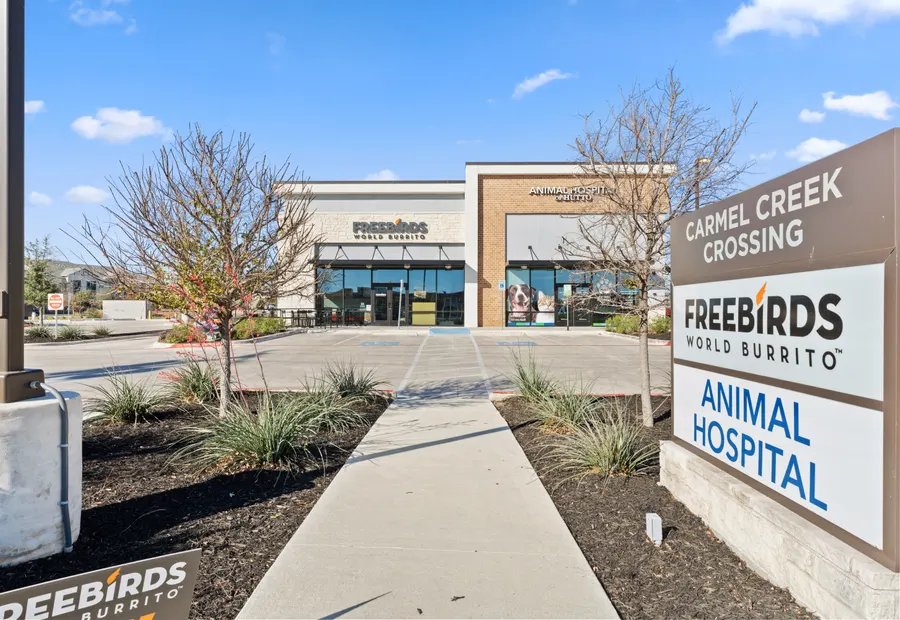
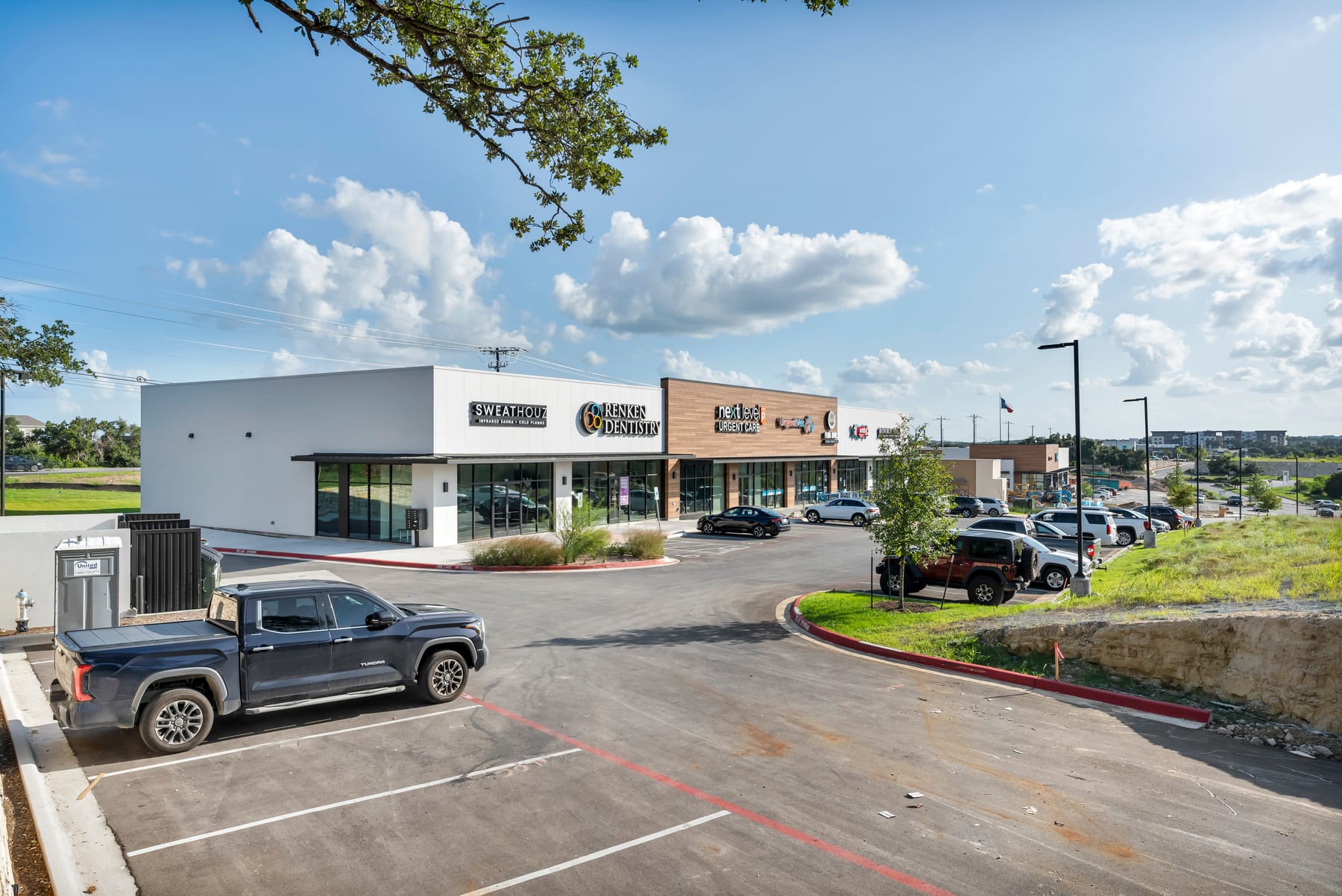
Leander has grown up enough to handle daily life without a constant trip into Cedar Park or Austin. The 1890 Ranch shopping center anchors a healthy mix of retail, dining, and services, and an HEB — the gold standard of Texas grocery — keeps the pantry stocked. Parks, trails, and the surrounding Hill Country provide the outdoor backdrop that draws so many people to this part of the state in the first place.
The bigger story, though, is what is rising at the rail station.
Northline: A Downtown Built From Scratch
For decades Leander lacked a true downtown. Northline is changing that. A transit-oriented, mixed-use district being developed by Taylor Morrison in partnership with the City of Leander, Northline is taking shape right beside the MetroRail station — a walkable core of homes, shops, restaurants, offices, and public space designed around the rail platform rather than the parking lot.
For buyers, Northline matters in two ways. First, it gives Leander the urban heart it never had, with the kind of stroll-to-dinner walkability that has historically meant a long drive south. Second, it strengthens the long-term case for buying near the station, since transit-oriented development tends to support property values over time. Anyone considering a home in or around the district should keep an eye on its phased rollout.
Prices and Who Leander Suits
Leander sits toward the higher end of the Williamson County entry-price spectrum. Recent figures place the median home price across the Leander/Liberty Hill area in roughly the $485,000–$492,000 range for 2024–25 — generally pricier than Liberty Hill or Jarrell, but backed by more retail, more amenities, and that all-important rail line. Buyers should also budget for the MUD or PID taxes and HOA dues that come with many of the area’s master-planned communities, which can add meaningfully to the true cost of ownership.
So who is Leander for? In short:
- Commuters who work toward Austin or the Domain and value the rail option.
- Families prioritizing strong public schools in a growing district.
- Buyers who want new construction with resort-style community amenities.
- People who want suburban value with an urban future taking shape at Northline.
It is a less natural fit for buyers seeking large acreage on a tight budget (Liberty Hill and Jarrell stretch dollars further) or those wanting an established, walkable historic downtown today rather than one under construction.
The Bottom Line
Moving to Leander means buying into momentum. The city pairs the things Central Texas buyers chase — strong schools, new homes, Hill Country scenery — with one thing almost no other suburb offers: a commuter rail line into Austin and a walkable downtown being built around it. Prices sit at the upper end of the Williamson County range, and the area is still very much under construction, but for commuters and families who want a suburb with a clear future, few places make the case as convincingly. A knowledgeable Leander realtor can help you match the right neighborhood, school zone, and tax profile to your budget before you make the move.
Market figures cited are approximate and current as of mid-2026; verify current data before making real estate decisions.