More house, a real town square, and a smaller property-tax sting — here’s the honest trade-off Austinites make when they head 30 minutes up I-35.
It usually starts with a number. An Austinite opens a listing for a house they actually love, sees the price, closes the tab, and mutters something unprintable. Then a friend who moved to Georgetown sends a photo: a bigger house, a real yard, a limestone courthouse Square in the background — for a figure that makes the Austin listing look like a typo. The seed is planted.
Moving from Austin to Georgetown has become one of the most common relocations in Central Texas, and for good reason. But it’s not a pure upgrade; it’s a trade. Here’s what city dwellers should weigh before they sign.
The Money: What You Actually Save
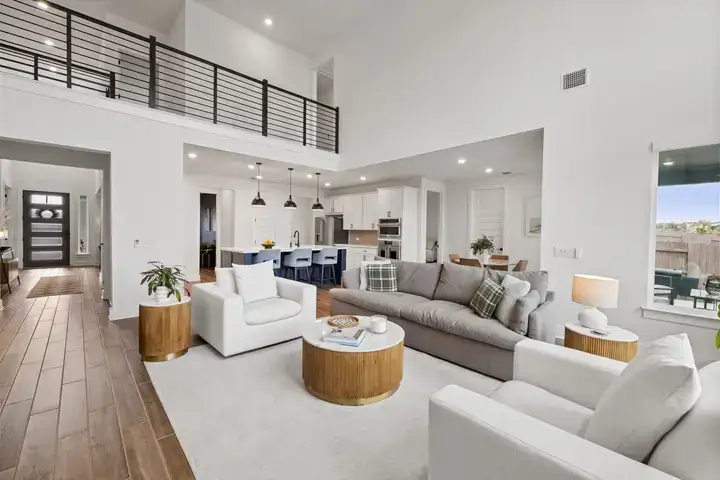
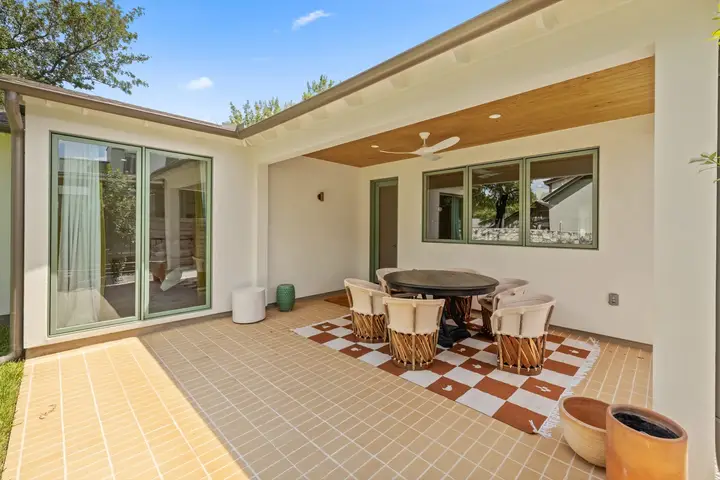
The headline draw is simple. Austin’s median home price runs substantially higher than Georgetown’s, where the median sits in the low-to-mid $400,000s according to Redfin and Zillow data. The practical effect is more home — more square footage, a newer build, a bigger lot — for the same money, or the same home for noticeably less.
The savings extend beyond the sticker price:
- Lower price per square foot means your dollar buys more space, which matters most to growing families and remote workers who need an office (or two).
- Newer construction dominates Georgetown’s inventory, so you’re often buying modern, energy-efficient homes rather than competing for renovated older stock.
- Property taxes, while still a real Texas expense, sit at competitive rates: Williamson County’s 2025 adopted rate was roughly 0.3694 per $100, and the City of Georgetown’s about 0.3530 per $100 (your total bill also includes the school district and other entities). Texas has no state income tax, and the Williamson Central Appraisal District offers homestead, over-65, disabled, and disabled-veteran exemptions with no fee to file.
None of this makes Georgetown “cheap” — it’s a booming market in a booming county — but relative to Austin, the value gap is real.
The Commute: I-35, the 130 Tollway, and Your Sanity
Here’s the trade-off side of the ledger. Georgetown sits roughly 26 to 30 miles north of downtown Austin. Depending on where you work and when you drive, the commute runs about 30 to 45 minutes — sometimes less, sometimes (on a bad I-35 day) considerably more.
Two routes shape the experience:
- I-35 is the direct, free, and frequently congested spine of the metro. Fine off-peak; a test of patience at rush hour.
- The 130 tollway swings east and bypasses much of the I-35 mess, often saving real time for a toll. Many Georgetown commuters swear by it for trips to the airport, the eastern tech corridors, or anywhere they can avoid the interstate’s worst stretches.
The honest read: if you work in or north of Austin’s tech corridors, or you work remotely, the commute is very livable. If you need to be in downtown Austin every morning at 8 a.m., go in clear-eyed about the drive — or rethink the move.
The Lifestyle Trade-Offs
This is the part listings can’t quantify. Austin offers density, nightlife, a deep restaurant and live-music scene, and the energy of a major city. Georgetown offers something different and, for many transplants, increasingly appealing.
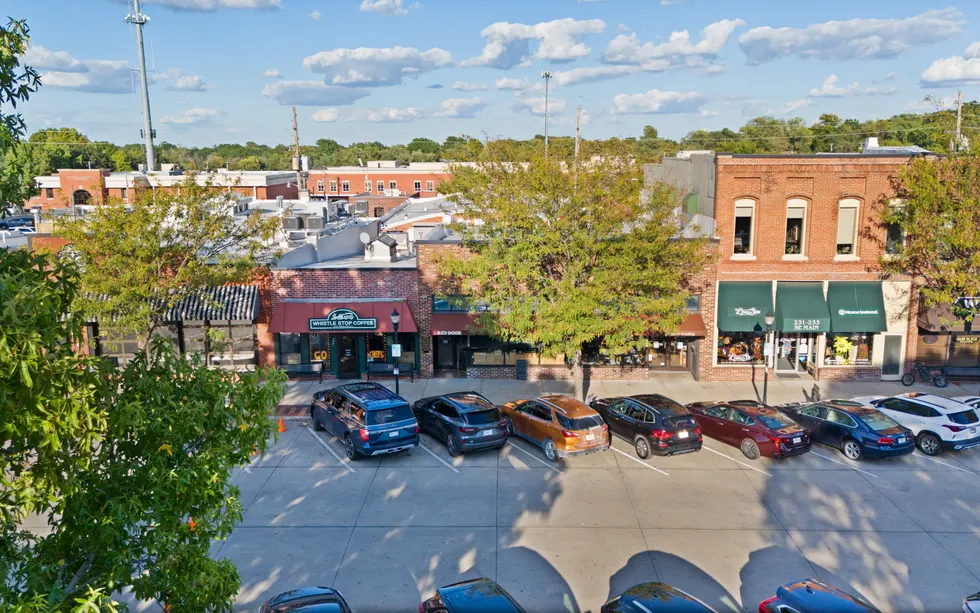
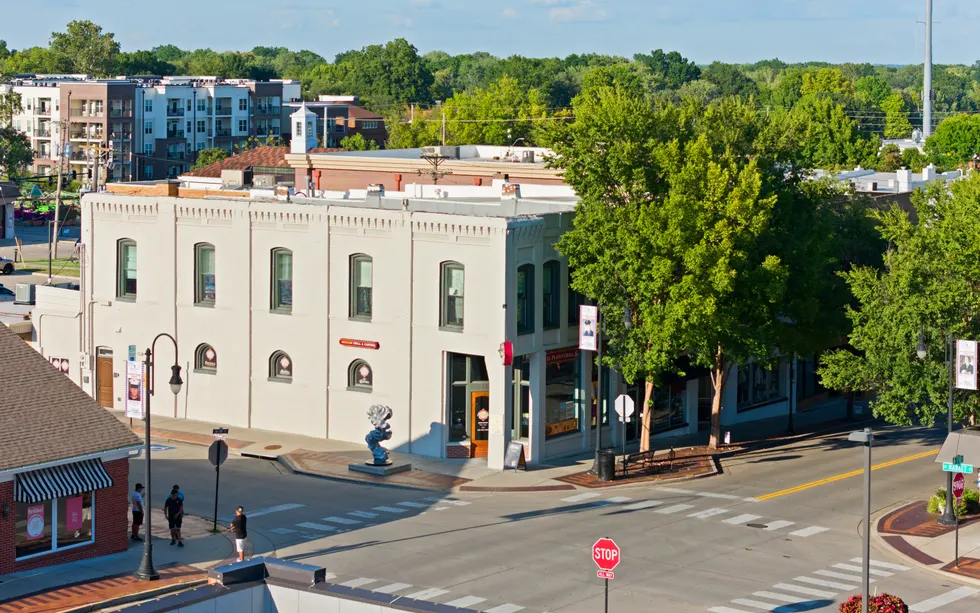
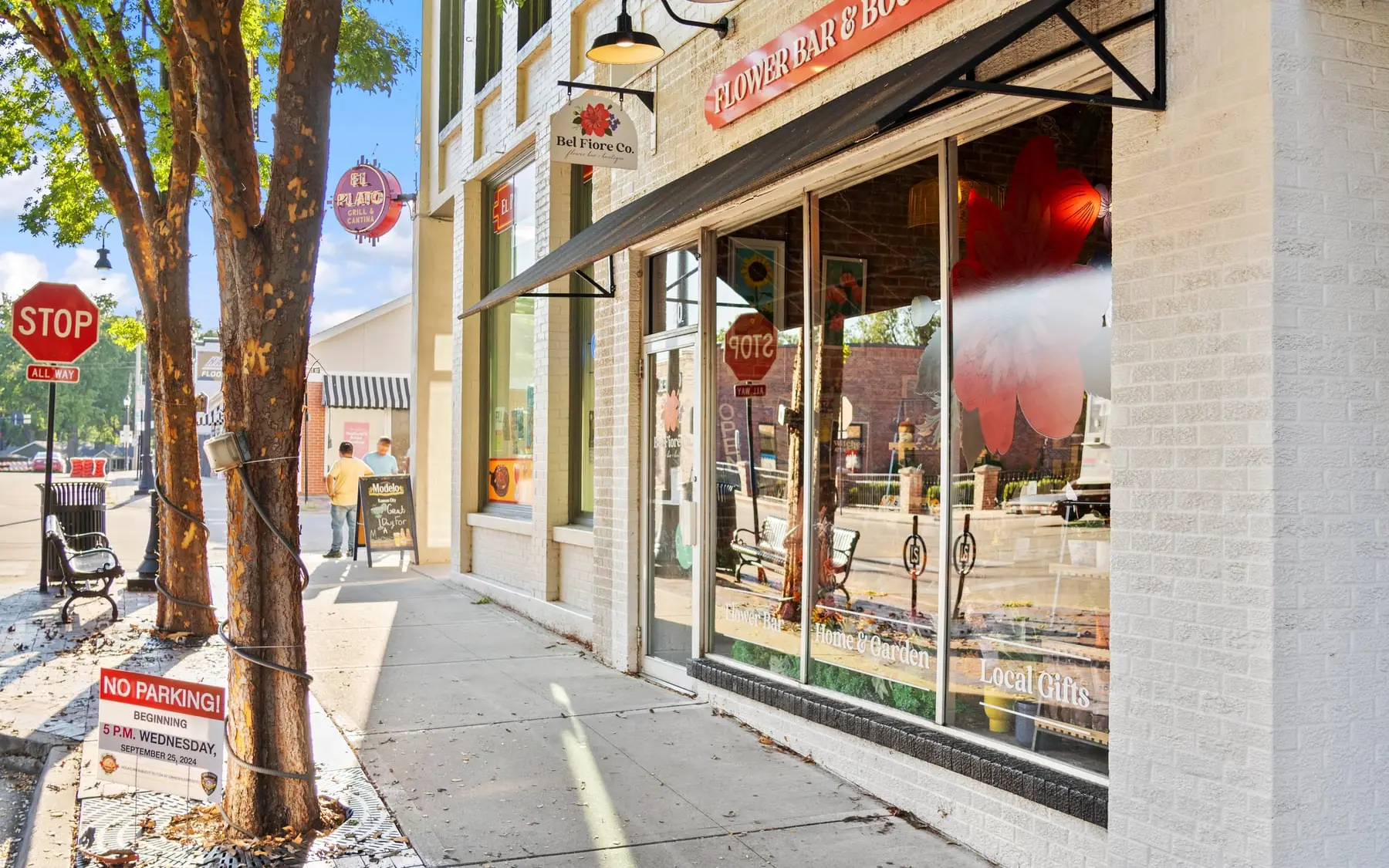
You gain a genuine town center: the historic Square, often called the most beautiful in Texas, with locally owned shops, patios, and year-round events like the Red Poppy Festival. You gain space and quiet, easy access to nature at Lake Georgetown and its parks and the 26-mile Goodwater Loop trail, and the cultural texture of Southwestern University, the oldest university in Texas. You gain a slower, more neighborly daily rhythm.
What you give up is immediacy. The late-night options are thinner. The restaurant scene, while growing, isn’t Austin’s. Spontaneity costs a drive. For some former Austinites, that’s exactly the point. For others, it takes adjusting to.
Schools: A Reason Many Families Move
For families, the move is often as much about schools as savings. Georgetown ISD posts an approximately 97% graduation rate with AP offerings across campuses including Georgetown High School and East View High School. It’s a frequent draw for parents leaving denser, more crowded urban schools.
One critical caveat that trips up newcomers: a Georgetown address can fall into Georgetown ISD, Liberty Hill ISD, or Leander ISD depending on exact location. Don’t assume — verify the assigned schools by specific address and check current ratings on the Texas Education Agency’s school finder before you commit to a neighborhood.
What Austinites Should Know Before They Buy
A few things that catch transplants off guard:
- Utilities are city-run. Georgetown owns its electric and water utility through Georgetown Utility Systems, and the city famously runs on 100% renewable energy. Different provider, different billing than what you knew in Austin.
- The market has cooled into balance. Days on market in Georgetown stretched from roughly 60 toward 90 year-over-year as inventory rose through 2025 — meaning more selection and more negotiating room than Austinites may remember from the frenzied recent past.
- New construction comes with its own playbook. If you’re eyeing a new build, bring your own Georgetown realtor and register them on your first model-home visit; the builder’s sales rep works for the builder.
- Verify taxes and exemptions yourself. File your homestead exemption with WCAD — it’s free — and understand your full tax bill includes school and other entities, not just city and county rates.
Neighborhoods That Suit Former Austinites
Not every Georgetown neighborhood fits an Austin transplant equally. Some natural matches:
- Downtown / Old Town — for the urbanite who can’t give up walkability, coffee shops, and character. Historic homes, lofts, and the Square at your doorstep.
- Wolf Ranch — Hillwood’s riverfront master plan along Highway 29, with modern amenities, trails, pools, and an HEB-anchored town center next door. A strong fit for families wanting new construction and a built-in community.
- Sun City Texas — Del Webb’s 55-plus resort community for empty nesters and retirees trading Austin’s bustle for golf, pools, and an active-adult lifestyle.
- Rancho Sienna, Parkside on the River, Berry Creek, and other master plans — for buyers prioritizing newer homes, amenities, and Hill Country views (just confirm the school district by address).
The Bottom Line
Moving from Austin to Georgetown is a trade, not a downgrade: you swap density and nightlife for space, value, a genuine town square, and easy access to the outdoors — all about 30 minutes up the road. The math works for plenty of families, remote workers, and retirees, though the commute and quieter pace are real considerations. Walk into it clear-eyed, lean on a knowledgeable Georgetown realtor to match you to the right neighborhood and school zone, and the move can be one of the smartest relocations in Central Texas.
Market figures cited are approximate and current as of mid-2026; verify current data before making real estate decisions.