
Three very different exits off the same dream — leaving Austin without leaving Central Texas. Here’s how Georgetown, Liberty Hill, and Leander stack up on price, schools, commute, and vibe.
At some point, a lot of Austinites do the math. The house you want downtown costs what a small ranch costs an hour north. The commute is bad either way. The kids need a yard. And so you start drawing a wider circle on the map — and three names keep surfacing along the metro’s northern arc: Georgetown, Liberty Hill, and Leander.
They’re often lumped together as “the suburbs,” but they’re genuinely different places with different trade-offs. Pick wrong and you’ll spend years fighting a commute or paying for amenities you don’t use. Pick right and you’ll wonder why you waited. Here’s an honest, three-way comparison to help Austin movers choose.
Before we get into the head-to-head, it’s worth naming what all three share. Each sits in Williamson County, one of the fastest-growing counties in the country, which means newer housing stock, expanding school districts, and the no-state-income-tax math that makes Texas attractive in the first place. Each also gives you noticeably more home for the money than the City of Austin. The differences are in the details — and the details are what determine whether you’ll actually be happy three years from now.
The Price-Per-Square-Foot Reality
Start with the number that drove you out of Austin in the first place. The City of Austin’s median home price runs substantially higher than anything along this northern corridor, and the price-per-square-foot gap is even starker. Moving 25 to 40 miles north routinely buys you a newer, larger home with a real yard for the price of a dated bungalow inside the city.
Among the three, the pricing ladder is fairly consistent: Liberty Hill tends to be the most attainable, Georgetown sits in the middle with a deep and increasingly balanced market, and Leander runs at the top of the trio on median price — though all three undercut Austin proper meaningfully.
What you’re really buying with that savings is square footage, a yard, and newer construction. The same budget that buys a tight, older home inside Austin’s urban core can stretch into a four-bedroom with a two-car garage and a backyard along this corridor. For families especially, that math is the entire reason the conversation starts.
| Georgetown | Liberty Hill | Leander | |
|---|---|---|---|
| Distance to downtown Austin | ~26–30 mi (I-35) | ~35–40 mi (Hwy 29 + 183) | ~SW; rail terminus |
| Median home price (2025) | low-to-mid $400Ks | ~$356K | ~$485K–$492K (area) |
| School district | Georgetown ISD | Liberty Hill ISD (“A”) | Leander ISD |
| Commute style | I-35 / 130 toll | Hwy 29 → 183/183A | 183A toll + MetroRail |
| Vibe | historic small city | rural Hill Country | growing rail suburb |
| Best for | walkable downtown lovers | land + small-town seekers | transit + retail seekers |
(Figures approximate; verify current data by address.)
Georgetown: The Historic Small City
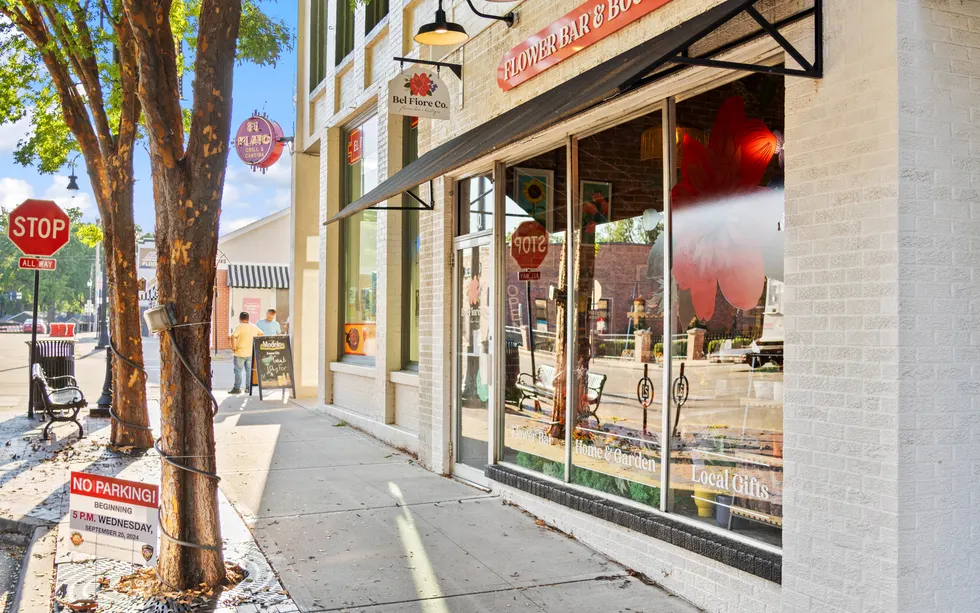
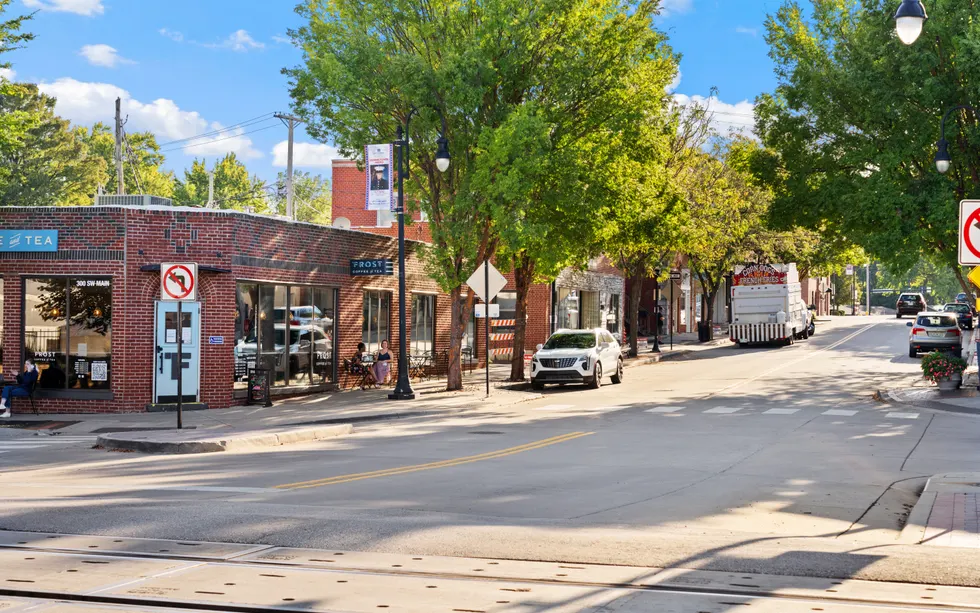
Georgetown is the county seat of Williamson County and, by the Census Bureau’s count, was named the fastest-growing city in the nation (50,000-plus) three years running. What it offers that the others can’t is a genuine downtown: the Williamson County Courthouse Historic District, routinely called the most beautiful town square in Texas, ringed by 180-plus historic buildings, restaurants, and the annual Red Poppy Festival.
You also get Southwestern University, the oldest university in Texas; a city-owned utility running on 100% renewable energy; and Lake Georgetown with its 26-mile Goodwater Loop just northwest of town. Homes for sale in Georgetown span everything from historic cottages near the Square to master-planned communities like Wolf Ranch.
The commute is the most straightforward of the three — roughly 30 to 45 minutes to north Austin via I-35 or the 130 tollway — and the market has cooled into a more buyer-friendly balance, with inventory up and homes sitting longer than they did at the peak.
Georgetown suits you if: you want walkable downtown charm, a settled small-city feel, and the widest range of housing in one place.
Liberty Hill: Land, Quiet, and Hill Country
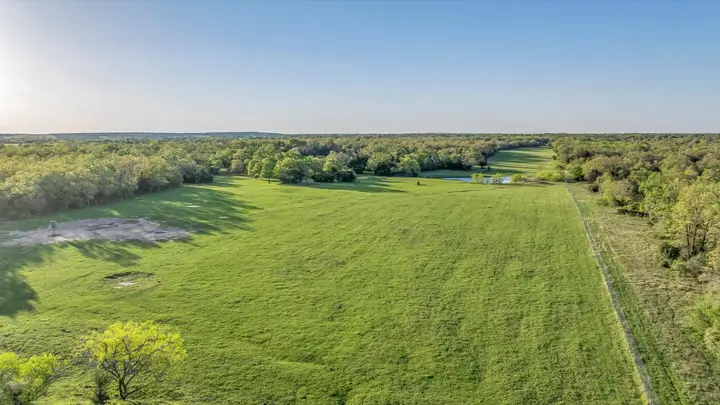
Drive 12 miles west of Georgetown on Highway 29 and the landscape opens up. Liberty Hill is the rural option — and it’s exploding, growing more than 300% since 2020 from under 4,000 residents to roughly 15,000. Yet it still feels like the country: more acreage, more sky, newer subdivisions tucked into the Hill Country, and a downtown with an outdoor sculpture park.
The headline draw for families is Liberty Hill ISD, rated “A” by the Texas Education Agency, with enrollment projected to keep climbing as the district builds. Communities range from production-builder neighborhoods like the award-winning Santa Rita Ranch to true acreage homesites. And at a roughly $356K median, it’s the value play of the trio.
The trade-off is distance and amenities. Liberty Hill is the farthest from Austin jobs, the commute runs through Highway 29 to 183, and you won’t find the retail density of Leander or Georgetown. You’re trading convenience for room to breathe.
Liberty Hill suits you if: you want land, a small-town pace, strong schools, and the most house for your money — and you don’t mind a longer drive.
One more thing worth flagging: because Liberty Hill is growing so fast, much of its inventory is brand-new construction, which means builder incentives are often on the table and the community amenities — pools, parks, trails in places like Santa Rita Ranch — are part of the package. It also means you should pay close attention to MUD and PID obligations on newer homes, since those special-district taxes are most common in young, rapidly developing areas.
Leander: Rail, Retail, and the Commuter’s Edge
Leander is the only one of the three with a genuine alternative to sitting on I-35: it’s the northern terminus of Capital MetroRail’s Red Line, a 32-mile commuter rail running into downtown Austin. For anyone with a downtown or Domain-area job, that single fact can be decisive. The city is also building Northline, a walkable, transit-oriented mixed-use district by the station.
Leander is one of the fastest-growing cities in the country, served by the well-regarded Leander ISD, with a deeper retail base than its neighbors (HEB, 1890 Ranch, and more). Master-planned communities like Travisso, Crystal Falls, and Bryson offer resort-style amenities. The cost: it runs at the top of the trio on median price, and the toll-road commute via 183A adds up if you’re not riding the rail.
Leander suits you if: you want the rail option, more retail and dining at your doorstep, strong schools, and you’re willing to pay a bit more for the convenience.
So Where Should You Move?
Think about your actual day. If you commute to downtown Austin and want to skip the freeway, Leander’s rail tilts the scales. If you want a real downtown, a historic Square, and the broadest housing menu, Georgetown is the natural fit. If your priorities are land, quiet, top-rated schools, and stretching your budget furthest, Liberty Hill wins.
For Austin movers, the bigger truth is that all three deliver the core wins that pull people north of the city: newer construction, more square footage, strong Williamson County schools, no state income tax, and a price per square foot that makes the move feel like a raise.
A practical way to decide is to test-drive your future commute before you fall for a floor plan. Drive each route at the hour you’d actually leave the house, not on a Sunday afternoon. Sit with the difference between a 30-minute trip and a 50-minute one across a year of working days — it adds up to weeks of your life. Then weigh that against what each town gives you back: Georgetown’s Square, Leander’s rail and retail, Liberty Hill’s land and quiet. The right answer is rarely the cheapest house in isolation; it’s the combination of price, drive, schools, and daily feel that you can live with happily for the long haul. And remember to total the full cost of ownership — base property tax plus any HOA dues and MUD or PID assessments — since two homes at the same list price can carry very different monthly bills.
The Bottom Line
Georgetown, Liberty Hill, and Leander are three honest answers to the same question — how to leave Austin’s prices without leaving Central Texas. Georgetown gives you a historic small city, Liberty Hill gives you land and value, and Leander gives you the commuter’s edge. Match the place to how you actually live, drive, and budget, and any of the three can be the right move.
Market figures cited are approximate and current as of mid-2026; verify current data before making real estate decisions.