
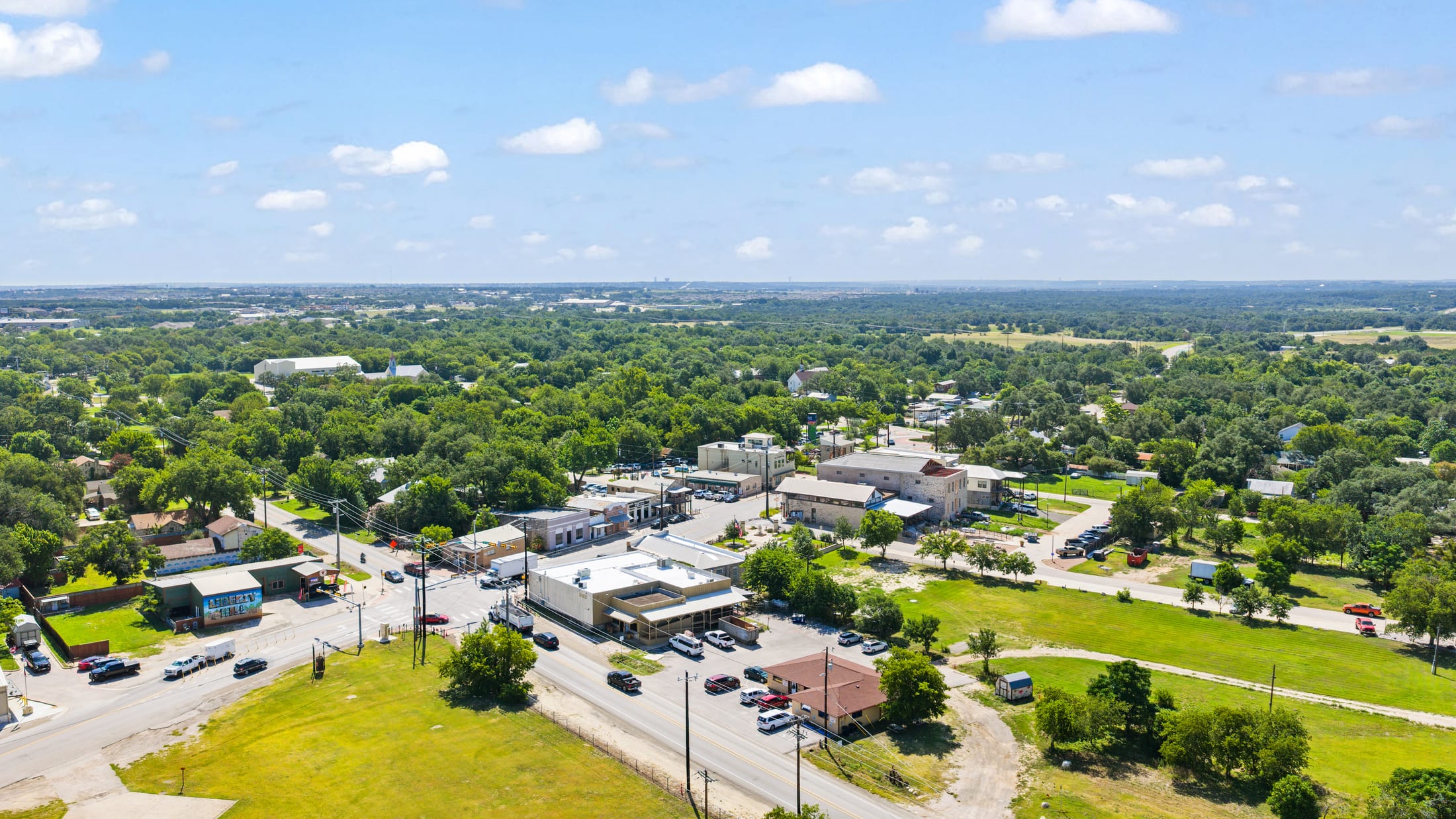
The Liberty Hill Growth Story
Few Central Texas towns have changed as quickly as Liberty Hill. A community that was small and rural a decade ago has become one of the fastest-growing places in the Austin metro, with new subdivisions, new schools, and new road work appearing year over year. the current population and growth rate, but the trajectory is clear in the steady arrival of master-planned communities and acreage developments.
That growth is the backdrop for almost every relocation decision here. It explains why so much of the housing is new, why school capacity is a live topic, and why district financing like MUDs and PIDs is common. If you're weighing Liberty Hill against neighbors, Michael's Liberty Hill real estate overview and the Williamson County real estate guide give helpful context.
Schools in Liberty Hill
For many families, schools drive the move. The area is largely served by Liberty Hill ISD, which has expanded campuses to keep pace with enrollment growth. Ratings and projected enrollment change as the district builds, so treat any figure as something to confirm. the current Liberty Hill ISD rating, enrollment, and the specific zoning for a home at libertyhill.txed.net and via txschools.gov.
A practical note: homes marketed as "Liberty Hill" don't always sit inside Liberty Hill ISD. Near district edges, the mailing address can be misleading, so always verify the attendance zone by exact address rather than by community name.
The Commute Reality
Liberty Hill's location is the heart of the relocation tradeoff. The town sits on Hwy 29, which connects east to Georgetown and I-35, while commuters bound for Austin job centers typically pick up the 183A toll through Leander and Cedar Park. For destinations like the Domain, north Austin tech corridors, or downtown, the drive is meaningful, especially at peak hours.
The honest advice is to test your real commute before you buy. Drive it on a weekday morning from the specific neighborhood you're considering. current travel times for your route, since map estimates rarely match rush-hour reality. If a shorter commute is a priority, Michael can compare options in Liberty Hill vs. Georgetown and across the county.
New Construction: A Defining Feature
If you're moving to Liberty Hill, you'll likely tour at least one new build. Builders are active across the area's master-planned communities, offering current floor plans, warranties, and the ability to choose lots and finishes. That's appealing, but new-home contracts, lot premiums, and incentive structures reward a careful read.
Builder representatives work for the builder. Having your own agent costs you nothing and gives you independent eyes on the contract, the inspection, and what an advertised incentive actually does to your payment. Michael's guide to new construction homes in Liberty Hill walks through the questions to ask before you sign.
The Appeal of Acreage
Part of Liberty Hill's draw is the chance to own land. On the rural edges of town you'll find homes on several acres, custom builds, and raw homesites, the kind of space that's hard to find closer to Austin. Acreage living comes with its own considerations: water source (well versus utility), septic systems, access and easements, and how the land is appraised, including any agricultural valuation. Michael's acreage homes and land guide covers what to check before buying rural property.
Town Feel and Daily Life
Liberty Hill keeps a small-town, Hill Country character. Downtown features the International Sculpture Park, and the town retains a clear sense of separation from the denser suburbs to the south. Day-to-day, many residents drive to Leander, Cedar Park, or Georgetown for larger retail, groceries, and dining, while enjoying the quieter pace at home. For newcomers, that balance, more space and calm with metro amenities a short drive away, is often the deciding factor.
Choosing where within Liberty Hill to land matters too. Michael's guide to the best neighborhoods in Liberty Hill compares the major communities by setting, housing, and lifestyle so you can match a neighborhood to your routine.
Cost of Living and Taxes
Texas has no state income tax, which appeals to relocating buyers, but property taxes fund local services and run higher than the national average. In Liberty Hill, your total tax picture often includes the county, the school district, and possibly a MUD tax or PID assessment in newer communities, which can add meaningful dollars to your monthly cost.
Home prices and cost-of-living comparisons shift with the market, so rely on current figures rather than older estimates. the median home price, property tax rate, and any MUD or PID amounts for a specific home, and confirm with the county, your lender, and a tax professional. Michael's Liberty Hill MUD, PID, and taxes guide and the Williamson County site are good starting points.
A Liberty Hill Relocation Checklist
Use this list as you plan the move:
- Test the commute from your target neighborhood on a real weekday morning.
- Verify school zoning by exact address with Liberty Hill ISD and txschools.gov.
- Total the true monthly cost: mortgage, property tax, HOA dues, and any MUD or PID.
- Compare new construction vs. resale for warranties, finishes, and finished yards.
- Decide how much land you want before narrowing communities.
- Check builder timelines and amenity phasing so you know what's actually finished.
- Order an independent inspection, even on a new build.
- Confirm utilities: city water and sewer versus well and septic on acreage.
- Review HOA rules and dues alongside any district assessments.
- Line up a lender early to understand your payment with taxes included.
Settling In: The First Few Months
The relocation doesn't end at closing. New residents often spend the first few months learning the practical rhythms of the area: which grocery runs make sense, where the nearest urgent care and pharmacy are, and how the commute shifts between school-year and summer traffic. In a fast-growing town, road projects and new retail openings change those answers over time, so it pays to stay flexible early on.
If you're buying in a newer community, expect ongoing construction nearby as additional sections build out. That's normal for Liberty Hill and usually temporary, but it's worth picturing your street a year or two ahead rather than only on move-in day. Michael can share what's planned around the neighborhoods you're considering so there are fewer surprises later.
Who Liberty Hill Suits
Liberty Hill tends to fit buyers who want newer homes or acreage, value a quieter Hill Country setting, and are comfortable with a longer commute in exchange for more space and a small-town pace. Buyers who need to be minutes from major job centers, prefer established neighborhoods with mature trees, or want extensive in-town retail may find a core suburb a better match. Michael helps you weigh these tradeoffs honestly rather than talking you into a relocation that doesn't fit your life. He can also compare Liberty Hill against Williamson County neighbors so your decision reflects the full set of options, not just the first community you tour.
The Bottom Line
Moving to Liberty Hill is largely a tradeoff between space and pace on one side and commute and growing pains on the other. For many buyers, newer homes, acreage options, and a calmer setting make the math work, especially with the right neighborhood and a clear-eyed view of true monthly costs. The smart approach is to verify schools, taxes, and commute for your specific home, then choose with full information.