Three of Central Texas’s most sought-after suburbs, side by side — prices, schools, jobs, commute, and the intangible matter of vibe. Here’s how to tell which one is yours.
Ask three Williamson County homeowners why they chose their city and you’ll get three different love stories. One fell for a Victorian courthouse Square at dusk. One wanted to walk from a baseball game to dinner. One wanted to board a train instead of fighting I-35. Georgetown, Round Rock, and Leander sit within a short drive of one another, share a county and a booming reputation, and yet attract genuinely different buyers. If you’re weighing Williamson County real estate, these three are almost certainly on your list. This is the balanced, head-to-head comparison to help you choose.
The truth most agents won’t say out loud is that there’s no single winner here — only the right match for a particular buyer. A retiree who wants a walkable historic downtown and a lake will rank these cities in exactly the opposite order from a young engineer who commutes to north Austin and wants to skip the highway. So rather than crown a champion, this guide breaks the decision into the factors that actually move the needle — price, schools, jobs, commute, amenities, and vibe — and lays them side by side so you can weight them by what matters to you.
The Quick Sketch
Georgetown is the county seat — historic, charming, and the fastest-growing city in the nation (cities over 50,000) for 2021, 2022, and 2023, per the Census Bureau. Round Rock is the county’s largest and most established city, a job hub anchored by Dell. Leander is the rail-connected, fast-rising city on the metro’s northwest edge. Each is a great place to live. The question is which one fits your priorities.
Prices: What You’ll Pay
Home prices in all three cities have climbed sharply over the past several years, then settled into a more balanced market as inventory rose and days on market lengthened in 2025.
- Georgetown: Median sale prices in the low-to-mid $400,000s (roughly $413K–$459K depending on source and month). The market has shifted buyer-friendlier, with days on market stretching from around 60 to near 90 year over year. See Redfin’s Georgetown data.
- Round Rock: Generally the value play of the three, with median sale prices roughly in the $370,000–$420,000 range and the deepest inventory in the county — more homes, more price points.
- Leander: The Leander/Liberty Hill area median runs roughly $485,000–$492,000 (2024–25), the highest of the three, reflecting its newer master-planned stock and resort amenities.
If budget is your first filter, Round Rock typically offers the most home for the money, Georgetown sits in the middle, and Leander tops the trio.
One nuance worth flagging for newcomers: the sticker price isn’t the whole story. Many of the newer subdivisions in all three cities — especially Leander’s and Georgetown’s master-planned communities — carry a MUD or PID district and HOA dues layered on top of the property-tax bill. Two homes listed at the same price can carry meaningfully different monthly costs once those districts are included, so always ask your agent to total the true cost of ownership before you compare.
Schools: Three Strong Districts
All three cities are served by well-regarded districts, but they’re not interchangeable — and crucially, district lines don’t follow city limits.
- Georgetown ISD: Roughly a 97% graduation rate, robust AP offerings, and campuses including Georgetown High and East View High. Note that Georgetown addresses can fall into GISD, Liberty Hill ISD, or Leander ISD depending on the lot.
- Round Rock ISD: A large, well-established district with a broad menu of programs and a long, strong reputation across the metro.
- Leander ISD: Among the strongest districts in Central Texas, especially noted at the middle- and high-school level.
Whatever the city, verify any specific campus by address at txschools.gov — it’s the single most important due-diligence step for school-focused buyers.
Jobs: The Dell Factor and Beyond
This is where Round Rock pulls ahead. It is the global headquarters of Dell Technologies and home to Emerson, making it a primary employment destination rather than a bedroom community. For many Round Rock residents, the “commute” is a few minutes across town.
Georgetown and Leander are stronger on lifestyle than on local mega-employers, though both benefit from the broader Austin-metro job market and the explosive regional growth — including Samsung’s semiconductor investment in nearby Taylor, which is reshaping demand across all of Williamson County. If your job is in north Austin or the Domain, Leander’s rail access becomes a major advantage; if your job is at or near Dell, Round Rock is hard to beat.
It’s also worth noting how growth itself functions as an economic engine here. Williamson County has been among the fastest-growing counties in the nation, and that growth seeds local jobs — in construction, healthcare, retail, and services — across all three cities. Georgetown, for instance, supports a deep base of medical, education, and municipal employment, while Southwestern University and the county-seat government anchor its professional class. None of the three is a one-company town, but Round Rock is the clearest case where you might live and work within the same city limits.
Commute: I-35 vs. the Red Line
- Georgetown: About 26–30 miles north of downtown Austin via I-35, with the 130 tollway offering an alternate route to the east side and airport. A driving city.
- Round Rock: Roughly 15 miles north of Austin on I-35 — the shortest car commute of the three to central Austin, though I-35 congestion is a real and daily factor.
- Leander: Home to the northern terminus of the Capital MetroRail Red Line, a 32-mile route running through Lakeline, the Domain area, and downtown Austin. For commuters who want to skip the highway entirely, this is the decisive differentiator, with the Northline transit-oriented district rising around the station.
Amenities and Vibe
Here the three cities diverge most sharply — and this may be the factor that actually decides it.
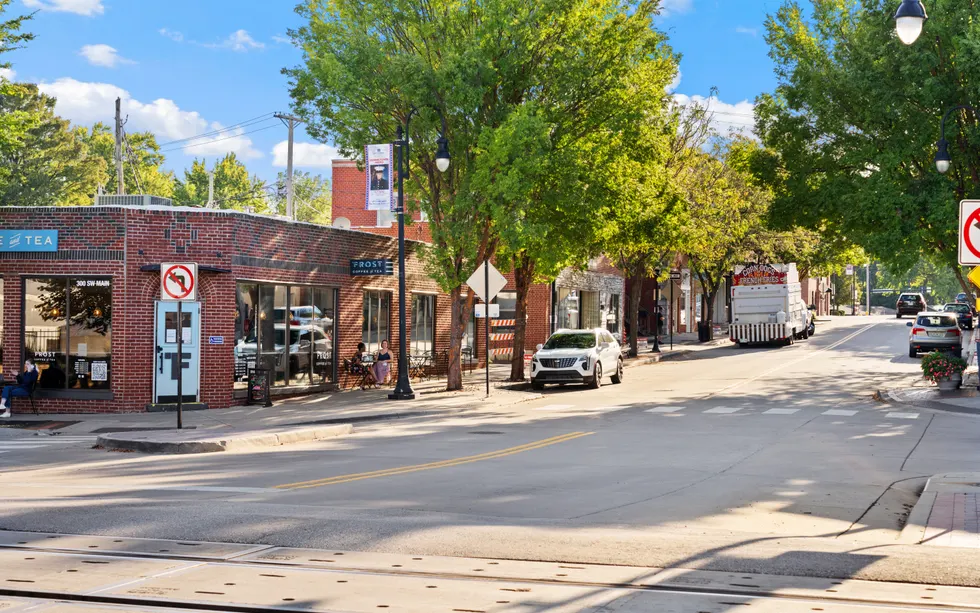
Georgetown leads with history and beauty: the Most Beautiful Town Square in Texas, 180-plus historic buildings, Southwestern University (the oldest in Texas), the spring Red Poppy Festival, and Lake Georgetown with its 26-mile Goodwater Loop trail. It also runs on 100% renewable energy via its city-owned utility. The vibe is small-town charm with growing-city momentum.
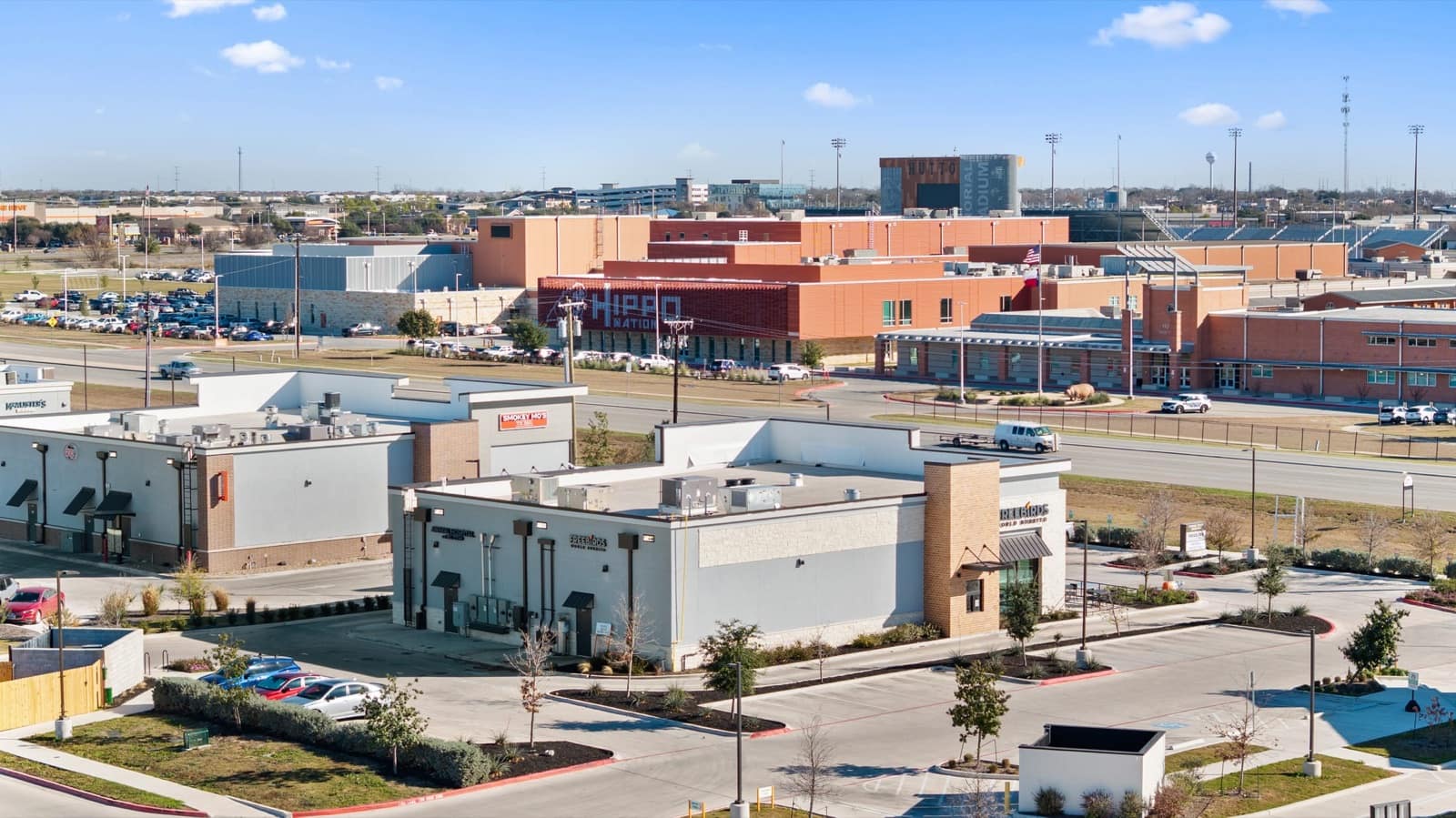
Round Rock is the “Sports Capital of Texas” — the Round Rock Express at Dell Diamond, Old Settlers Park, Kalahari Resorts (America’s largest indoor waterpark), and the Premium Outlets — wrapped around a revitalized historic downtown. The vibe is established, convenient, family-friendly suburbia with plenty to do.
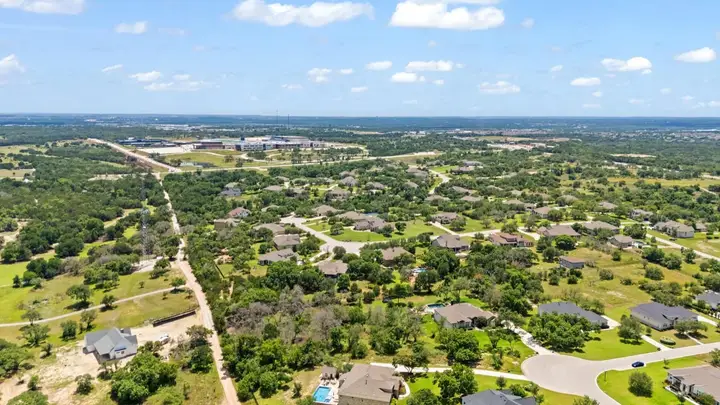
Leander offers resort-style master-planned communities (Travisso, Crystal Falls, Bryson), HEB and 1890 Ranch retail, and the walkable, transit-oriented Northline district taking shape. The vibe is newer, faster-growing, and rail-forward.
Side-by-Side Comparison
| Factor | Georgetown | Round Rock | Leander |
|---|---|---|---|
| Median home price | low-to-mid $400Ks | ~$370K–$420K | ~$485K–$492K |
| Distance to downtown Austin | ~26–30 mi (I-35) | ~15 mi (I-35) | ~SW; rail via Red Line |
| Primary school district | Georgetown ISD (~97% grad) | Round Rock ISD | Leander ISD (very strong) |
| Marquee employer | broad metro | Dell HQ, Emerson | broad metro / rail to jobs |
| Commute standout | 130 tollway alternate | shortest car commute | MetroRail Red Line |
| Defining vibe | historic Square, lake, charm | sports, retail, established | resort MPCs, rail, new growth |
| Best for | charm + amenities seekers | value + job-proximity buyers | rail commuters + new-build fans |
The Bottom Line
Choose Georgetown if you want historic charm, lake access, and a beautiful Square, and you’re comfortable in the low-to-mid $400,000s. Choose Round Rock if you want the best value, the shortest car commute, and proximity to a major employer in an established suburb. Choose Leander if rail access, resort-style new construction, and strong schools top your list — and your budget reaches the upper tier. There’s no wrong answer among these three; there’s only the one that matches how you actually live. Drive each, ride the train, and check the school line by address before you decide.
Market figures cited are approximate and current as of mid-2026; verify current data before making real estate decisions.