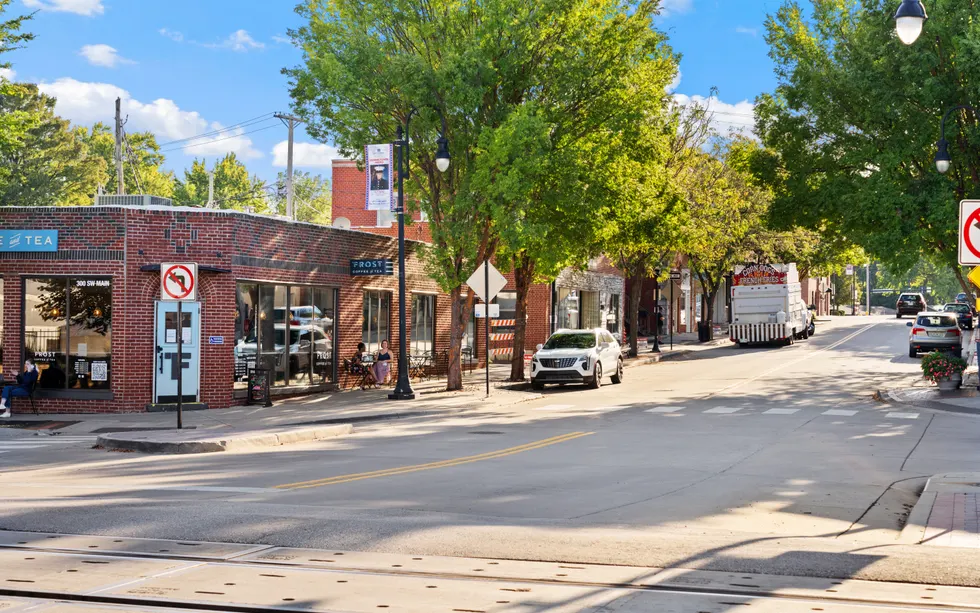

They share a county, a school-zone seam, and an explosive growth curve. But one is a rail-served city with a downtown in the making, and the other a Hill Country town still trading in land and small-town quiet.
Head northwest from Austin and the suburbs start to thin out. Leander comes first — a fast-growing city with a commuter rail line and street after street of master-planned neighborhoods. Keep going on Highway 29 and you reach Liberty Hill, smaller and more rural, where acreage and a small-town feel still define the place. The two are neighbors, they are both growing at breakneck speed, and they are constantly compared by buyers trying to decide how far out is far enough.
This head-to-head weighs Leander vs. Liberty Hill on the four factors that matter most — growth, schools, commute, and lifestyle — plus prices, so you can decide which one fits before you call a Leander realtor or a Liberty Hill realtor.
The Quick Read
- Choose Leander if you want rail access to Austin, more retail and amenities, a walkable downtown taking shape, and the convenience of a more built-out city.
- Choose Liberty Hill if you want more land for the money, a quieter small-town and Hill Country feel, an A-rated school district, and a more attainable price point — accepting a longer commute and fewer amenities in return.
Growth: Both Booming, From Different Bases
Both towns rank among the fastest-growing in the Austin metro, but the scale differs.
Leander has swelled to somewhere between 87,500 and nearly 98,000 residents by 2025–26 estimates — a full-fledged city. Liberty Hill started from a far smaller base: about 3,680 residents in the 2020 Census, ballooning past 14,850 in 2025 and 15,000 in 2026 — growth of more than 300% in a handful of years. Liberty Hill is one of the most explosive growth stories in the entire metro, but it is still a town, not a city, and it feels like one. Track each at the City of Leander and City of Liberty Hill sites.
Edge: Depends on taste — Leander offers the conveniences of scale; Liberty Hill offers small-town intimacy that is, for now, still intact.
Schools: Two Respected Districts
Schools are a strength in both communities.
Leander is served by Leander ISD, widely regarded as one of the strongest districts in the metro, especially at the middle- and high-school levels. Liberty Hill is served by Liberty Hill ISD, rated “A” by the Texas Education Agency, with enrollment that has roughly doubled in five years (to around 9,000) and is projected to reach about 18,000 by 2030 — a district building furiously to keep pace with its families.
The familiar caveat applies: attendance zones cross city and county lines in this corner of Williamson County, so verify a home’s exact schools by address and check ratings via txschools.gov.
Edge: Even. Leander ISD’s depth versus Liberty Hill ISD’s A rating — both are genuine draws.
Commute: Rail vs. the Long Drive
This is where the two diverge most sharply.
Leander is the northern terminus of the Capital MetroRail Red Line, giving commuters a rail option into the Domain area and downtown Austin, plus the 183A toll road and US-183 for drivers. Liberty Hill sits roughly 35 to 40 miles northwest of downtown Austin, well beyond the rail line, with Highway 29 the primary route toward Georgetown and the broader metro. That means a longer drive and no transit alternative.
If you commute toward Austin regularly, Leander’s location and rail access are a clear practical advantage. If you work from home, work locally, or simply don’t mind the drive in exchange for land and quiet, Liberty Hill’s distance becomes a smaller cost.
Edge: Leander, decisively, for Austin-bound commuters.
Lifestyle: Built-Out City vs. Hill Country Town
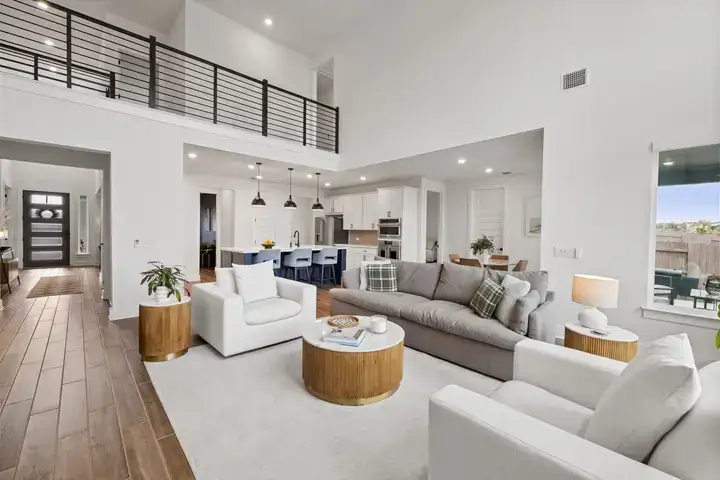
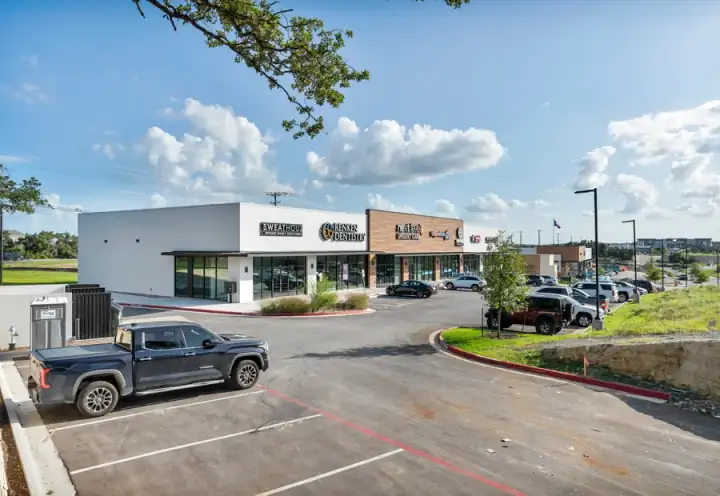
Leander offers the texture of a maturing city: HEB and 1890 Ranch retail, resort-style master-planned communities like Travisso and Bryson, and the Northline district building a walkable downtown beside the rail station. It is the more convenient, amenity-rich choice.
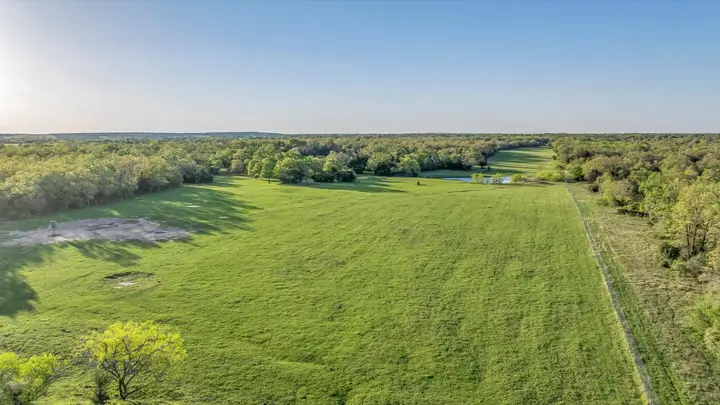
Liberty Hill offers the opposite appeal — a small-town, Hill Country feel with more land and acreage, newer subdivisions, and a quieter pace. Its downtown features a notable public sculpture garden, and its signature community, the award-winning Santa Rita Ranch, brings pools, parks, and trails to families who want amenities without big-city density. Liberty Hill trades retail breadth and walkability for space, scenery, and serenity.
Edge: Leander for amenities and convenience; Liberty Hill for land, scenery, and small-town calm.
Prices: Where Liberty Hill Pulls Ahead
For budget-conscious buyers, Liberty Hill is the value play.
The median home price in Liberty Hill ran around $356,000 in 2025 — broadly more attainable than Leander, with a mix of production builders and acreage homesites. Median prices across the Leander area ran higher, roughly $485,000–$492,000 for the Leander/Liberty Hill area in 2024–25, reflecting Leander’s newer stock, retail base, and rail premium. In both towns, factor in HOA dues and any MUD or PID assessments — common in master-planned communities — for the true cost of ownership.
Edge: Liberty Hill, clearly, on price and land per dollar. The catch is that a lower sticker price can be partly offset by the carrying costs that come with fast-developing areas — newer MUDs, for instance, often levy higher tax rates in their early years before bonds are paid down. Run the full monthly number, not just the list price, in either town.
Who Each Suits
Leander is the better fit if you: commute toward Austin and value rail; want more retail, dining, and amenities close by; prefer a more built-out city with a walkable downtown emerging; and can stretch to a higher price point.
Liberty Hill is the better fit if you: want more land or acreage for the money; prefer a quieter, small-town Hill Country setting; are drawn to an A-rated, fast-growing school district; and prioritize an attainable price over commute convenience and amenities.
The Bottom Line
Leander and Liberty Hill represent two answers to the same question: how far from Austin, and at what trade-off? Leander offers rail, retail, and a downtown in the making at a higher price; Liberty Hill offers land, quiet, an A-rated district, and a friendlier price tag in exchange for distance and fewer amenities. Both are booming, both have strong schools, and both reward buyers who know their priorities. Sort out your commute, your budget, and your appetite for small-town versus city living, and the choice between a Leander realtor and a Liberty Hill realtor largely makes itself.
Market figures cited are approximate and current as of mid-2026; verify current data before making real estate decisions.