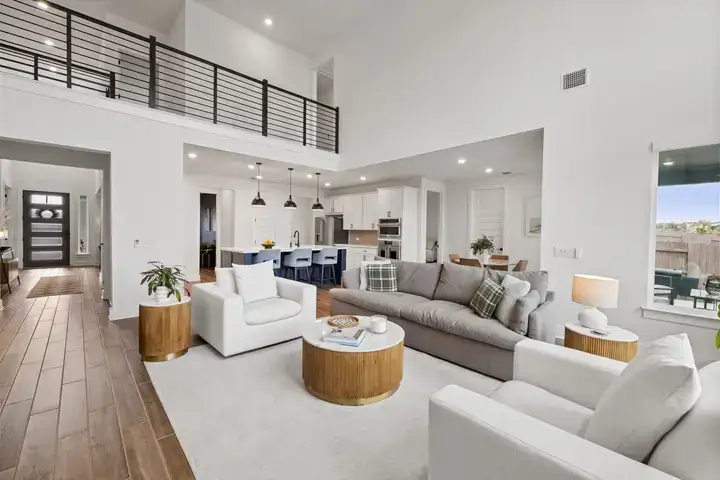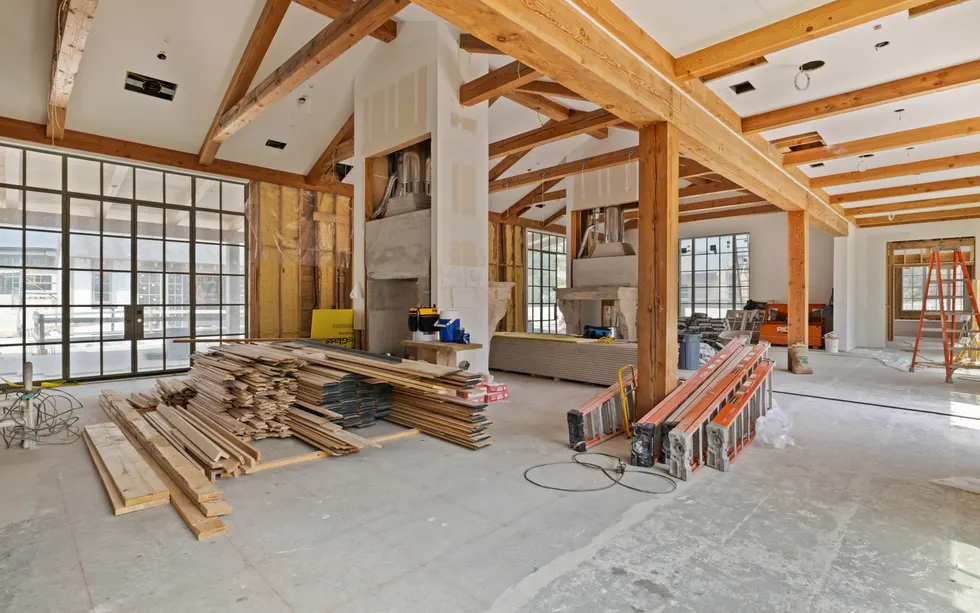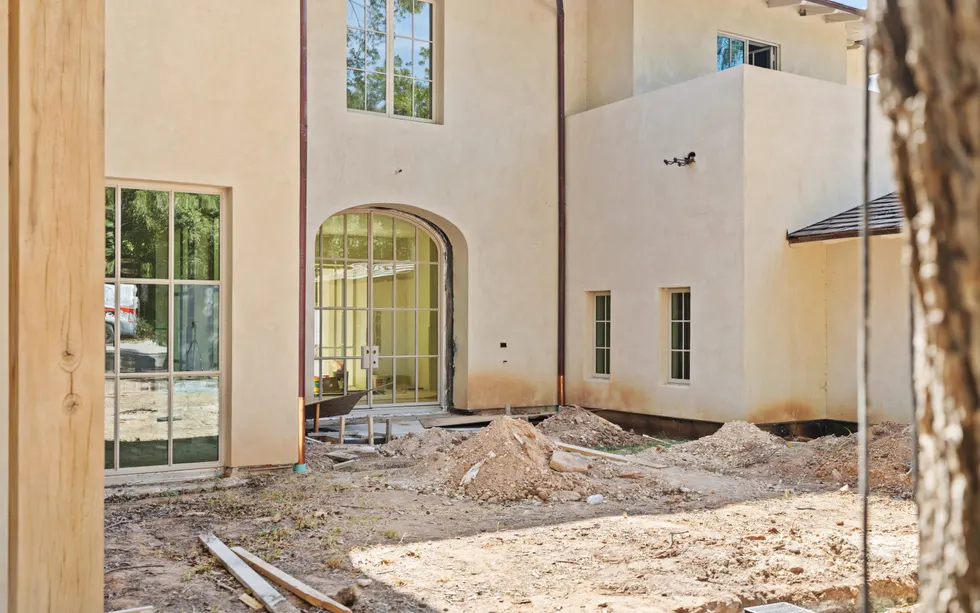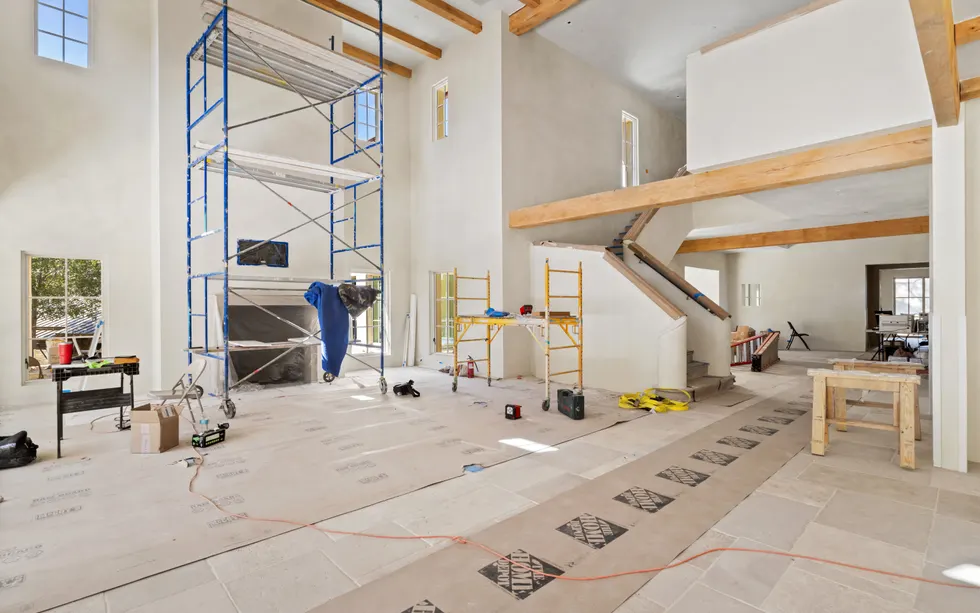
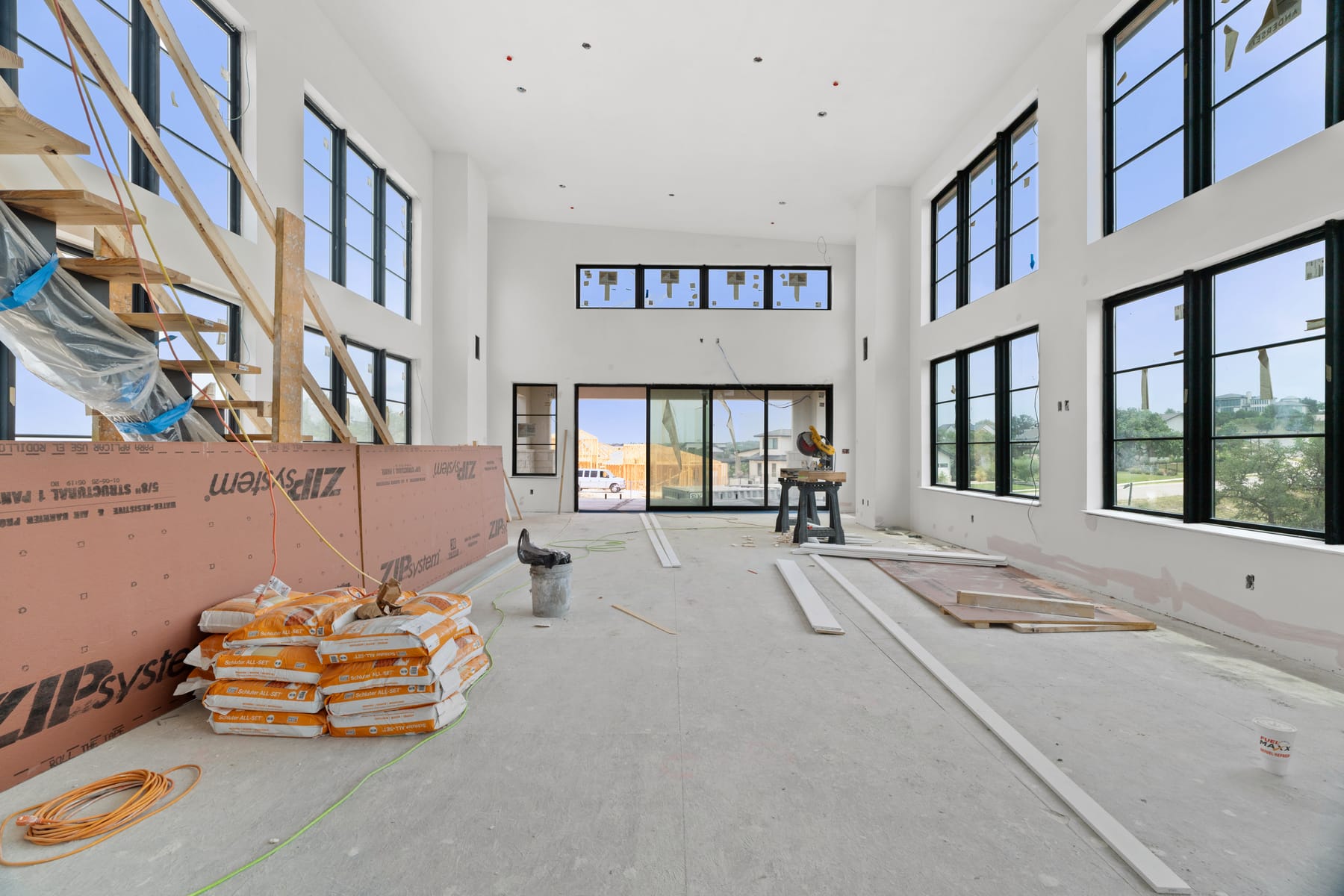
The model home smells like success, the sales office feels like hospitality, and the incentive flyer looks like free money. All three are part of a sales operation that works for the builder. Here's how to buy new construction near Georgetown with your own interests fully represented.
Few places in the country build as many homes as the corridor north of Austin. Georgetown, Liberty Hill, Leander, Jarrell, Hutto, and Taylor have added tens of thousands of new homes over the past decade, and the construction pipeline—while calmer than the boom years—remains one of the busiest in Texas. For buyers, that supply is genuine good news: choice, competition among builders, and incentives that can meaningfully improve the math. But new construction is a different transaction than resale, with its own contract forms, its own pricing psychology, and a sales process designed—professionally and lawfully—to serve the builder's margins. The buyers who do best treat a new build with the same rigor as a resale purchase: independent representation, independent inspections, and total-cost math that goes well past the base price banner.
This guide covers the landscape and the playbook: where new construction concentrates around Georgetown, what kind of builder you're dealing with, and how to navigate incentives, lots, inspections, and warranties.
Where New Construction Is Concentrated
As of mid-2026, new-home activity around Georgetown clusters along a few corridors:
- Georgetown itself — led by large master-planned communities such as Wolf Ranch on the west side, continued building at Sun City (55+), and a bench of newer communities on the city's western, northern, and eastern edges.
- Liberty Hill — a heavily new-construction market, anchored by large communities like Santa Rita Ranch along with numerous smaller developments and custom builds on acreage.
- Leander — sustained large-scale building in communities such as Travisso and Bryson, with access to the 183A corridor.
- Jarrell — the area's value frontier along I-35 north, where entry pricing is often the region's most accessible.
- Hutto and Taylor — growing eastern markets, with Taylor's trajectory shaped by major employer investment nearby.
Which corridor fits you depends on budget, commute, and how established you need your surroundings to be on day one. Communities, phases, and builder rosters change constantly—verify what's actively selling before setting your heart on a map pin.
Production, Semi-Custom, and Custom: Know Which Game You're Playing
Production builders (the national and large regional names) build set floor plans at volume. Pricing is most competitive, timelines are most predictable, and personalization is limited to structural options and design-center selections. Semi-custom builders offer more flexibility—plan modifications, broader selections—at a higher price per foot and longer timelines. Custom builders build your plan on your lot; you gain control and take on the most responsibility for decisions, budget discipline, and oversight.
Most of the volume around Georgetown is production and semi-custom inside master-planned communities, with custom concentrated on acreage toward Liberty Hill, Florence, and the rural edges. The diligence in this guide applies to all three, but it matters most with production builders, where the process is most standardized against you changing it.
The Sales Office Works for the Builder—Bring Your Own Representation
The person in the model home is often excellent at their job. Their job is to sell that builder's homes on that builder's terms. They are not your agent, owe you no fiduciary duty, and their contract is the builder's contract—typically a builder-drafted document, not the balanced TREC resale form, with terms that favor the builder on timelines, deposits, and changes.
Buyer representation on new construction typically costs the buyer nothing out of pocket in this market—builders customarily compensate buyer's agents—and it buys you someone who can compare communities and builders across the area, knows which incentives are actually negotiable, reads the builder contract with your interests in mind, and shows up at the milestones that matter. One procedural point with real consequences: register your agent on your first visit. Many builders won't honor representation added after you've signed in alone.
Incentives and Financing: Read the Strings
Builder incentives are real money—closing-cost contributions, mortgage-rate buydowns, design-center credits, or price flexibility on inventory homes. They're also almost always conditional, most commonly on using the builder's affiliated lender and title company. Sometimes that combination is genuinely the best deal available; sometimes the affiliated lender's rate and fees quietly claw back a chunk of the incentive. The only way to know is to compare the full package—rate, fees, and incentive—against an outside lender's offer on the same day. Two other patterns worth knowing: incentives are typically richest on inventory (spec) homes the builder needs to move—especially near quarter- and year-end—and rate buydowns deserve scrutiny on structure (temporary 2-1 buydowns versus permanent buydowns are very different products).
Base Price vs. the Price You'll Actually Pay
The advertised “from” price is a starting point that few buyers end up near. The gap comes from three places: the lot premium (corner, greenbelt, cul-de-sac, or view lots carry charges from a few thousand dollars to well into five figures), structural options (extra bedroom, extended patio, three-car garage—priced at contract), and design-center selections, where flooring, counters, cabinets, and finishes above builder-grade can add a substantial percentage to the total. The model home is, by design, a showcase of upgrades. Ask the sales office what the typical finished price of your plan runs with common selections—and get every included feature in writing before comparing builders. “Included” varies enormously.
Lot Selection: The One Choice You Can't Change Later
Floor plans repeat; lots don't. Weigh orientation (west-facing backyards bake on summer evenings here), drainage and grading (walk the lot after rain if you can), what's behind and beside you (future phases, retail pads, arterial roads—ask for the community's full development plan), traffic position within the community, and easements that constrain pools or shops. On acreage builds, add well, septic, and utility-extension feasibility. A mediocre plan on a great lot often outlives a great plan on a bad lot—both for your enjoyment and at resale.
Taxes, MUDs, PIDs, and HOAs: The Recurring Costs
New communities are frequently financed through Municipal Utility Districts (MUD taxes on top of the base stack) or Public Improvement Districts (assessments paid annually or in a lump). Combined rates in newer communities can run meaningfully higher than in established neighborhoods nearby—which changes the monthly-payment comparison against resale. Also budget realistically for year-two taxes: your first-year bill may reflect a lot-only or partial-year valuation, and the jump when the improved value hits the rolls surprises many new-build owners. Confirm the full entity stack for the specific section (rates can differ by phase), the HOA dues and what they fund, and any PID balance—before contract, via the appraisal district, the builder's disclosures, and title work.
Inspections: Yes, You Inspect a New Home
Municipal inspections check code minimums; they are not a substitute for your own inspector. Builders build thousands of homes; yours gets built once, by subcontractors, on a schedule. Independent inspections routinely find items worth fixing while they're still easy to fix. The standard cadence:
- Pre-pour (foundation): before concrete—forms, plumbing rough-in, post-tension layout.
- Pre-drywall: the highest-value inspection—framing, electrical, plumbing, and HVAC while everything is visible.
- Final: the complete home before your walkthrough.
- 11-month warranty inspection: just before the workmanship warranty typically expires, to document claims while the builder is still on the hook.
Confirm in writing that the builder permits third-party inspections (most do, with scheduling rules) and budget a few hundred dollars per visit. It's the cheapest insurance in the transaction.
Warranties and Walkthroughs
Typical Texas new-home coverage runs in tiers—commonly around one year on workmanship, two years on major systems, and up to ten years on structural elements, with terms varying by builder—and third-party warranty administrators are common. Read what “structural” actually covers; it's narrower than most buyers assume. At the blue-tape walkthrough, be thorough and unhurried: doors, windows, drainage, every fixture, finish damage. Get committed completion dates for punch-list items in writing, and document warranty requests in writing (not phone calls) from day one. Keep your inspection reports—they're your evidence at month eleven.
New Construction vs. Resale at a Glance
| Factor | New Construction | Resale |
|---|---|---|
| Price behavior | Base plus lot plus options; incentives negotiable | Negotiated directly; fewer add-ons |
| Effective incentives | Often significant (rate buydowns, closing costs) | Seller concessions possible but smaller |
| Property taxes | Often higher stack (MUD/PID); year-two jump | Established, knowable rate |
| Condition risk | New systems, builder warranty; construction defects possible | Aging systems; known history, inspectable |
| Surroundings | Changing—phases, construction, promised amenities | Established streets, mature trees |
| Timeline | Spec: fast; build: months, subject to delays | Typically 30–45 days to close |
| Contract | Builder-drafted, builder-favorable | Standard TREC forms |
| Resale competition | You'll compete with the builder until buildout | Depends on neighborhood supply |
The Bottom Line
New construction near Georgetown is a genuine opportunity: abundant supply, motivated builders, and incentives that can beat resale math—when the numbers are checked honestly. Treat it as the professional transaction it is. Bring your own representation from the first visit, price the home you'll actually build rather than the banner, underwrite the full tax stack, inspect at every milestone, and put every promise in writing. The builder has a system; this is yours.
Builder rosters, incentives, community phases, tax rates, and warranty structures change constantly; descriptions here reflect the market as of mid-2026. Verify current details with builders, the Williamson Central Appraisal District, and your own representation and inspectors before contracting.