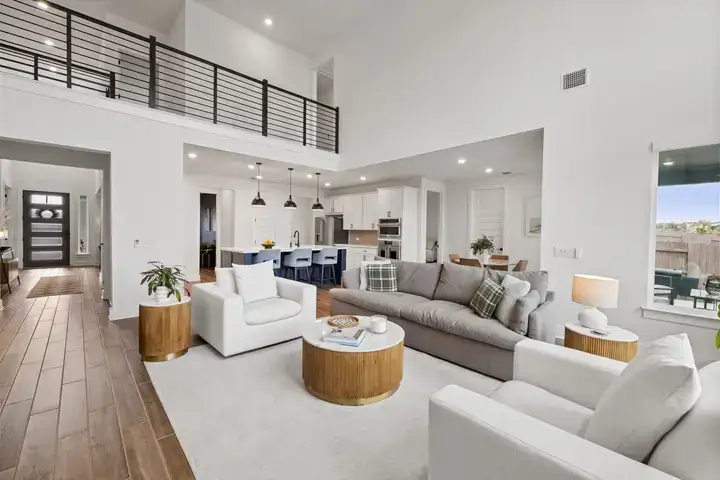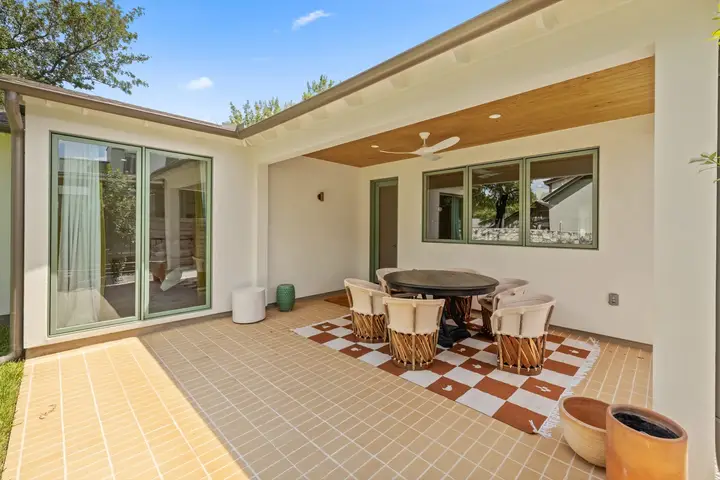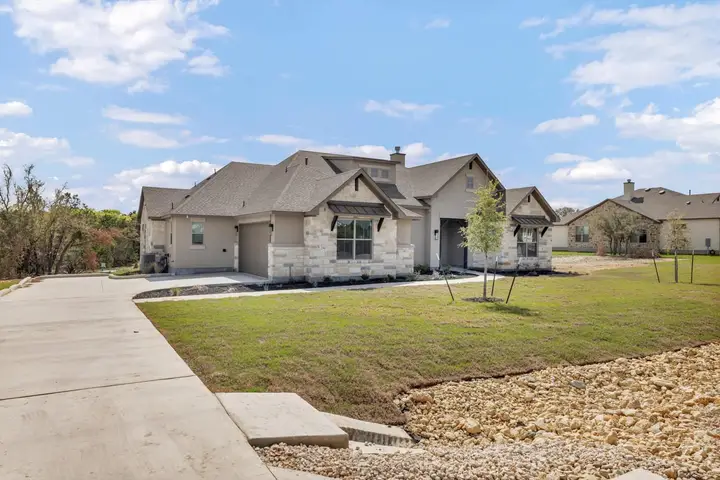
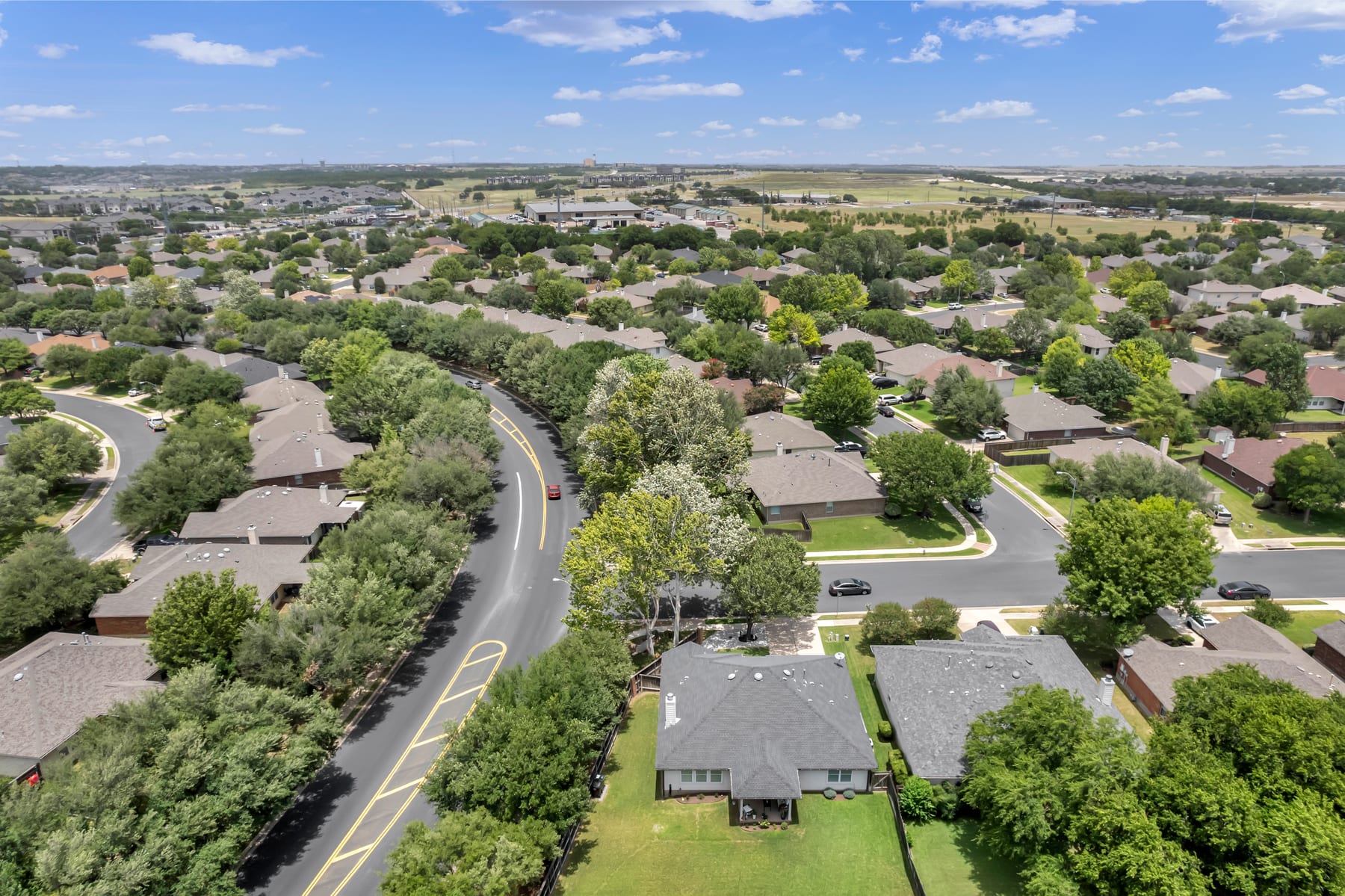
Online, a $475,000 four-bedroom in Liberty Hill and a $475,000 four-bedroom in Georgetown look like the same purchase. In the field, they can be two different transactions—different tax stacks, different utilities, different resale math. Here's what changes when you move from browsing to buying.
Georgetown and Liberty Hill sit barely fifteen miles apart along SH 29, and they attract overlapping buyer pools: people who want Central Texas access without living inside the Austin core. If you've already read a lifestyle comparison of the two towns, you know the broad strokes—Georgetown brings the historic Square, a larger city's amenities, and a deep range of established neighborhoods; Liberty Hill brings a smaller-town scale, more elbow room, and a stronger Hill Country feel.
But choosing where to live and understanding what you're buying are different exercises. The two markets differ in ways that only show up when you're comparing actual properties: how the housing stock is composed, what sits underneath the tax bill, who provides the water, how the schools are assigned, and what the home will be competing against when you eventually sell it.
This guide walks through the transaction-level differences so that when you compare a specific Liberty Hill listing against a specific Georgetown listing, you're comparing the whole cost and the whole ownership experience—not just the photos.
The Housing Stock Is Composed Differently
Georgetown's market is broad and layered: historic homes near the Square, established subdivisions from every decade since the 1970s, the massive Sun City active-adult community, large master-planned communities like Wolf Ranch, and steady new construction. That range means Georgetown can serve nearly any buyer profile—and that comparable sales are usually plentiful when it's time to price or appraise.
Liberty Hill's market is younger and more concentrated. A large share of its inventory is new or nearly new construction in master-planned communities such as Santa Rita Ranch, MorningStar, and Orchard Ridge, alongside a meaningful acreage-and-custom-home segment on the Hill Country side. Established, decades-old subdivisions—the middle layer Georgetown has in abundance—are a thinner slice in Liberty Hill.
Practically, that means: in Georgetown you'll more often weigh a resale home against a new build; in Liberty Hill the choice is more often between two flavors of newer construction, or between a community build and acreage. Neither is better—but they reward different kinds of due diligence.
Established Neighborhoods vs. Newer Development
An established neighborhood gives you certainty: finished streets, mature trees, a known tax rate, and neighbors who can tell you what drainage does in a hard rain. A newer community gives you current floor plans, builder warranties, and amenities—but also buildout risk: future phases, construction traffic, and an HOA still controlled by the developer. Georgetown offers a full spectrum between those poles. Liberty Hill skews toward the newer end, so Liberty Hill buyers should get comfortable asking developer-phase questions: How many sections remain? What's the buildout timeline? What amenities are promised versus built?
Commutes and Daily Logistics
Both towns orbit the same employment centers, but their road access differs.
- Georgetown sits directly on I-35 with SH 130 nearby as a toll alternative—straightforward access to Round Rock, north Austin employers, and the airport corridor.
- Liberty Hill relies on SH 29, US 183, Ronald Reagan Boulevard, and the 183A tollway corridor to the southeast. The 183A Phase III extension toward SH 29 and the ongoing widening of Hero Way / RM 2243 between Leander and the Georgetown Southwest Bypass are actively changing this picture—generally in Liberty Hill's favor over time, with construction disruption in the meantime.
Don't rely on either town's reputation here. Drive your actual commute, at your actual hour, from the actual neighborhood—and check TxDOT and Williamson County project pages for what your route will look like in two years, not just today. Daily convenience differs too: Georgetown has more in-town retail, medical, and services today, while Liberty Hill's commercial base is growing but thinner, meaning more errands may route toward Leander or Georgetown.
Taxes, MUDs, PIDs, and HOAs: Compare the Whole Bill
This is where similar list prices diverge. Any Central Texas property's tax bill stacks county, city (or no city, in unincorporated areas), school district, and special districts—and the newer the community, the more likely a Municipal Utility District (MUD) tax or Public Improvement District (PID) assessment is part of the stack. Both towns have communities with and without them, but because Liberty Hill's inventory skews newer, a larger share of its listings carry district-financed infrastructure. Some Liberty Hill–area communities also sit outside city limits entirely, trading city taxes and services for county-only governance.
A comparison routine worth adopting for every candidate home, in either town:
- Pull the parcel on the Williamson Central Appraisal District site and list every taxing entity and rate.
- Ask specifically about MUD taxes and PID assessments—and for PIDs, whether the assessment is paid off, annual, or assumable.
- Get the HOA dues, what they cover, and any transfer or capitalization fees.
- Compute the true monthly cost at each address before comparing prices.
Two homes listed at the same price can differ by hundreds of dollars a month once the full stack is counted—in either direction.
Schools: Verify by Address, Not by Town Name
Liberty Hill ISD and Georgetown ISD both serve growing enrollments, and both are well-regarded districts navigating the usual growth machinery—new campuses, bond programs, and periodic boundary adjustments. Two cautions apply equally in both markets. First, mailing addresses mislead: some “Georgetown” addresses are zoned to Liberty Hill ISD or Leander ISD, and district lines don't follow city limits. Second, assignments move: fast-growing districts redraw attendance boundaries as campuses open. Verify current campus assignments by the exact property address directly with the district, review campus information at the Texas Education Agency's txschools.gov, and ask whether boundary studies are pending for the area you're considering.
Acreage and Hill Country Property
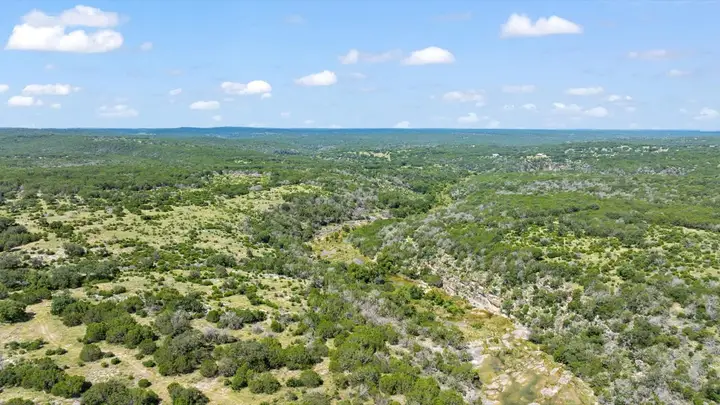
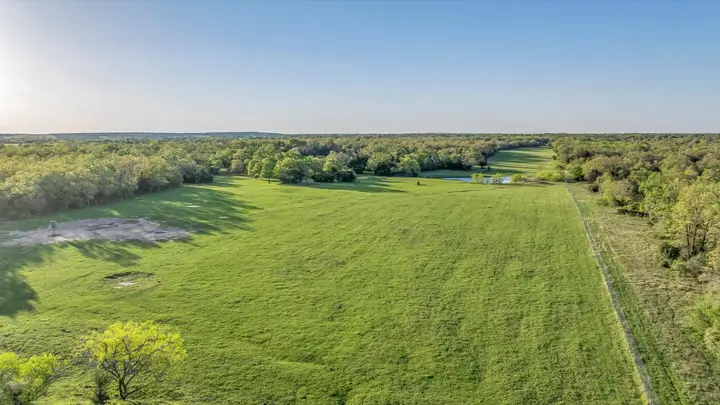
If part of the appeal is land, the two markets differ sharply. Acreage close to Georgetown proper has grown scarce and pricey; the deeper acreage market near Georgetown pushes toward Florence, Weir, and the rural east. Liberty Hill, by contrast, still has a live acreage-and-custom market woven into its immediate area. Acreage buying carries its own diligence list in either market: well condition and production (or water-utility availability), septic system type, age, and permitting through the county, floodplain and drainage across the parcel, road maintenance responsibility on private lanes, any agricultural exemption and what happens to taxes if it lapses, and deed restrictions that may still apply outside any HOA. Budget for these inspections—they're different from a subdivision resale inspection and worth every dollar.
New Construction in Both Markets
Both towns have active builder markets, so new construction isn't a differentiator by itself—but the setting differs. Georgetown's new construction often sits inside a larger, more established city fabric; Liberty Hill's is concentrated in large communities that are still defining the town's growth pattern. In both, the same fundamentals apply: the builder's sales office represents the builder, incentives are usually tied to the builder's lender, the model home is not the base price, and new builds deserve independent inspections at pre-drywall and final. (Those mechanics are covered in depth in the New Construction Near Georgetown guide.)
Resale and Long-Term Ownership Tradeoffs
Think about the sale at the end, not just the purchase at the beginning.
Georgetown resale dynamics: a deeper, more liquid market with more comparable sales, buyers of every profile, and less dependence on any single community's trajectory. The tradeoff is that you're also competing in a bigger pond, including with builders while nearby communities build out.
Liberty Hill resale dynamics: a market that's still being made. Buyers betting on Liberty Hill are betting on the growth corridor maturing—roads finishing, retail arriving, communities completing. That can reward early buyers over a long hold, but it comes with more variance: while a community is still building, your resale competes directly with the builder's new inventory and incentives. Owners who plan short holding periods should weigh that squarely.
Side-by-Side: The Transaction-Level Comparison
| Factor | Georgetown | Liberty Hill |
|---|---|---|
| Housing stock | Broad: historic to brand-new, including Sun City (55+) | Skews newer; master-planned plus acreage/custom |
| Established neighborhoods | Deep supply across decades | Limited; most inventory post-2015 |
| Primary corridors | I-35, SH 130, SH 29 | SH 29, US 183, Ronald Reagan Boulevard, 183A corridor |
| In-town services today | Extensive and growing | Growing from a smaller base |
| MUD/PID likelihood | Mixed; common in newer communities | Higher share of listings, newer stock |
| School districts in play | Georgetown, Liberty Hill, or Leander ISD by address | Mostly Liberty Hill ISD; verify by address |
| Acreage availability | Scarcer close-in; more toward Florence/Weir | Active close-in acreage and custom market |
| Resale market depth | Deeper, more comparable sales | Thinner; more exposure to builder competition |
| Ownership bet | Established market continuing to grow | Growth corridor still maturing |
The Bottom Line
Georgetown and Liberty Hill are both credible answers to the same question, which is exactly why the choice deserves transaction-level rigor. Georgetown buys you depth—of housing stock, services, and resale market. Liberty Hill buys you room, newer inventory, and a stake in a corridor still taking shape. Price the whole bill, verify the schools by address, understand who you'll compete with at resale, and let the specific property—not the town's reputation—make the final argument. A local agent who works both markets daily can pull the parcel-level facts quickly; this guide tells you which facts to demand.
Tax structures, road-project statuses, school assignments, builder activity, and market conditions referenced here change frequently and are current only as of mid-2026. Verify every figure for a specific property with the Williamson Central Appraisal District, the relevant school district, TxDOT, and current title work before making decisions.